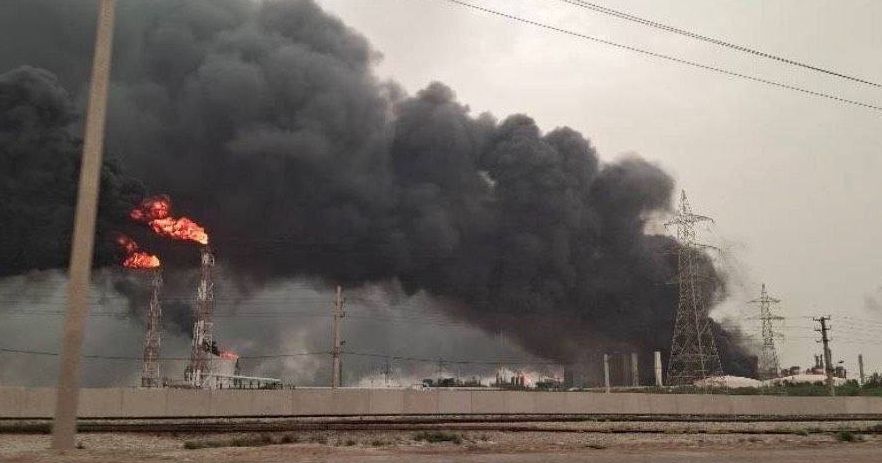
Israeli strikes and U.S. threats have halted operations in Iran’s two petrochemical hubs—Mahshahr (~28% of national petrochemical output) and Assaluyeh (>48%)—together accounting for roughly 75% of output, threatening about $13bn of annual export value. Iran’s nominal petrochemical capacity is ~95m t/yr (actual ~75m t/yr) and the country invested an estimated $70bn in the sector; sanctions and limited capital make rapid reconstruction unlikely and could take years to more than a decade. The disruption risks materially reducing FX inflows, exacerbating inflation and energy shortages domestically and could send shockwaves through regional and global energy/commodities markets.
The tactical targeting of petrochemical infrastructure creates a supply-side distortion that compounds existing structural tightness in global polymer and intermediate markets. Expect acute margin pressure for downstream buyers (packaging, auto trim, appliances) as feedstock sellers reprice on a spot basis and buyers front-load inventories; this is a demand-pull into naphtha/ethane and a supply-push into finished-polymer shortages over the next 1-3 months.
Regionally, Gulf producers with spare export logistics and state-backed sales desks can grab share quickly, but physical re-routing, insurance hikes and terminal congestion limit how fast cargoes clear — this elevates freight and tanker earnings in weeks and keeps FOB differentials wide for months. Financially, sovereign/credit stress in the affected state will push local banks and trade finance lines into distress, widening CDS and increasing the cost of trade finance for counterparties who historically financed corridor flows.
The single most important near-term binary is diplomatic momentum: a credible ceasefire or corridor deal within days would rapidly re-liquefy risk premia and compress spreads; absence of a deal converts temporary shocks into multi-year capacity attrition because sanctions and capex constraints make rapid rebuild improbable. Conversely, a sustained campaign or broader escalation forces durable reallocation of supply chains, permanently shifting market share to non-sanctioned producers and structurally higher global polymer prices.
Market participants are therefore positioned for a classic ‘spike then structural reprice’ scenario. Volatility will be event-driven (diplomacy, insurance notices, port re-openings) — liquidity in freight, petrochemical spreads and defense names will be episodic, creating entry points for directional and hedged trades across weeks to quarters.
AI-powered research, real-time alerts, and portfolio analytics for institutional investors.
Request DemoOverall Sentiment
strongly negative
Sentiment Score
-0.85
