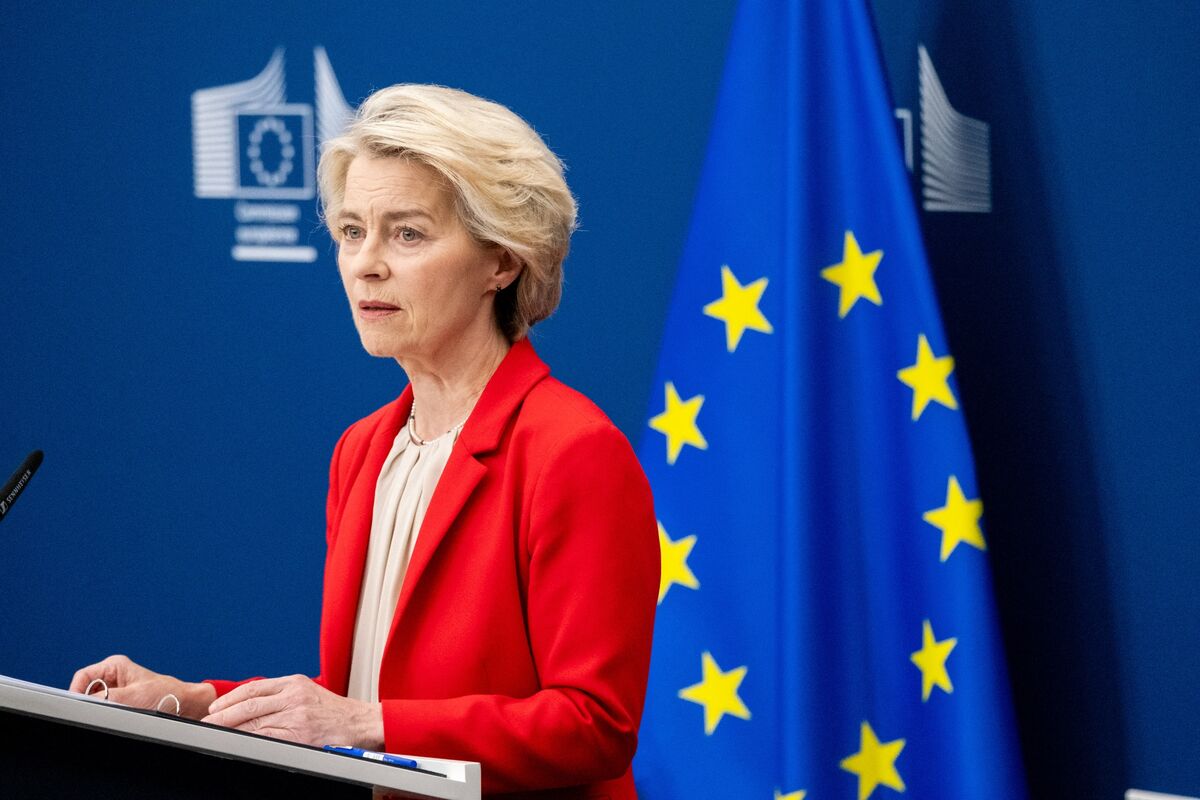
The European Union has postponed its 19th package of sanctions against Russia, originally due Wednesday, to align with G-7 priorities after US President Trump demanded stronger European measures as a condition for US action. This delay reflects US pressure on G-7 allies for more stringent penalties, including potential 100% tariffs on Russian oil purchases by China and India, aimed at compelling Russia to negotiate regarding Ukraine.
The European Union's delay of its 19th sanctions package against Russia introduces a new layer of uncertainty and potential escalation in the West's economic strategy. This postponement is not a sign of easing tensions but rather a recalibration driven by US pressure within the G-7 for more severe measures. The specific proposal to levy tariffs as high as 100% on Russian oil sales to major non-aligned economies like China and India signifies a potential shift from incremental sanctions to a more aggressive attempt to cripple Russia's primary revenue source. This development carries a high market impact score (0.75), reflecting the significant risk of disruption to global energy markets and supply chains should the G-7 proceed. The delay itself suggests a period of intense negotiation among allies, with the outcome likely being a more coordinated and potentially more punitive set of restrictions, heightening geopolitical risk and market volatility.
AI-powered research, real-time alerts, and portfolio analytics for institutional investors.
Request DemoOverall Sentiment
strongly negative
Sentiment Score
-0.60
