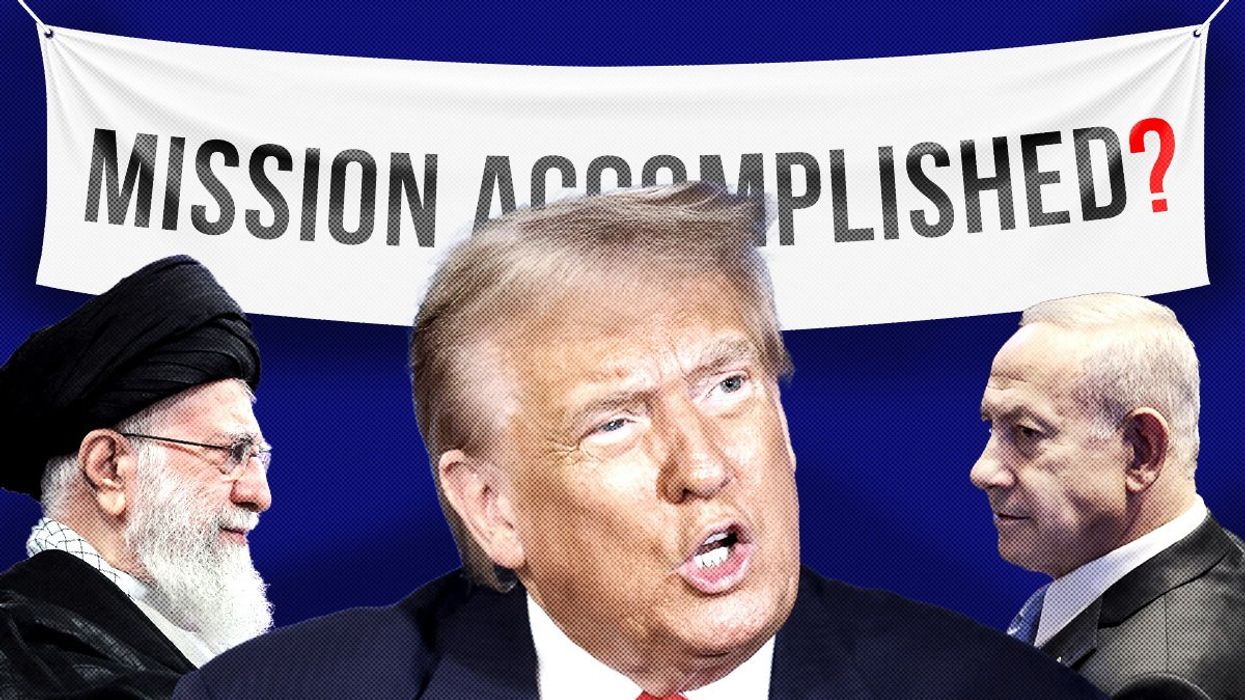
The recent "12-Day War" between Iran and Israel/US concluded with a Trump-brokered ceasefire, following Iran's symbolic, pre-warned missile strike on a US base. While President Trump claims a foreign policy victory for degrading Iran's capabilities without US entanglement, and Israel achieved significant strategic gains, the long-term effectiveness of the strikes on Iran's nuclear program is debated, with some analysts suggesting the military action may paradoxically incentivize Iran to pursue a covert nuclear deterrent. Despite the truce, the underlying conflict is expected to persist, highlighting the transient nature of the current resolution and the ongoing geopolitical risk in the region.
The conclusion of the '12-Day War' via a US-brokered ceasefire represents a short-term de-escalation of overt military conflict in the Middle East, though underlying tensions persist. The event dynamics, particularly Iran's telegraphed, non-lethal missile strike, underscore its current position of strategic weakness and prioritization of regime survival over direct confrontation. For the United States, President Trump has secured a perceived foreign policy victory by degrading Iranian capabilities without significant US commitment or blowback. Israel emerges as a clear tactical winner, having damaged Iran's military and nuclear infrastructure and bolstered Prime Minister Netanyahu's domestic political standing. However, the central uncertainty for markets is the true extent of the damage to Iran's nuclear program. Reports are conflicting, with a leaked Defense Intelligence Agency assessment suggesting only a months-long setback, while Israeli estimates claim a two-year delay. Although key facilities like the Isfahan uranium conversion site were lost, Iran may have preserved its fissile material stockpile. Critically, the military strikes may prove strategically counterproductive, as they have likely increased Iran's motivation to covertly pursue a nuclear deterrent, creating a significant long-term tail risk outside of international oversight. The ceasefire's fragility is high, with Israeli officials indicating a readiness to continue strikes, suggesting the current calm is likely transient.
AI-powered research, real-time alerts, and portfolio analytics for institutional investors.
Overall Sentiment
Neutral
Sentiment Score
0.10
