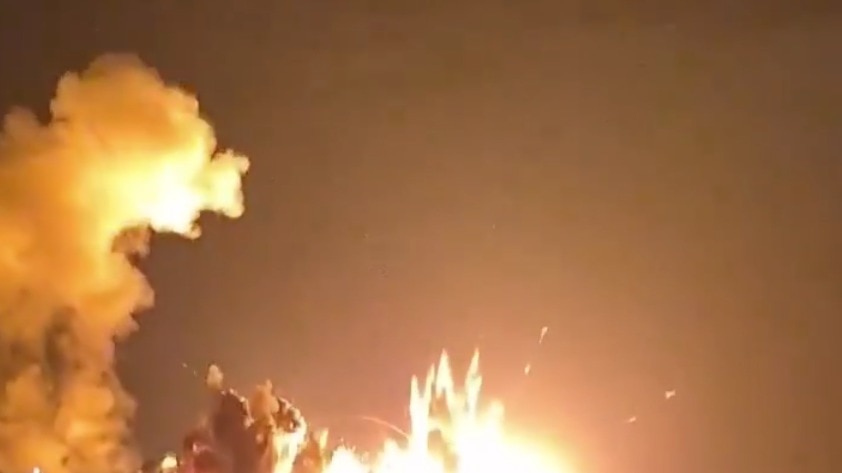
U.S.-Israeli forces reportedly struck a weapons/ammunition depot in Isfahan using multiple 2,000‑lb (900‑kg) bunker-buster bombs, producing massive explosions; Iran then shot down a U.S. MQ-9 Reaper and launched missiles toward Israel (at least 10 explosions heard in Jerusalem). The IDF said it struck at least 170 targets with over 400 munitions. This escalation is a significant regional shock that will likely drive a risk-off market reaction, increase volatility and put upside pressure on oil and defense-related assets.
The recent uptick in regional kinetic activity is likely to imprint a short-term risk premium across energy, insurance, and regional credit markets rather than an immediate structural shift; expect a 7–21 day window of elevated volatility followed by conditional outcomes based on visible escalation metrics (number of targets struck, civilian collateral, and third‑party state involvement). Oil and refined‑product forward curves are most sensitive: traders typically price a $3–7/bbl risk premium into Brent within the first two weeks of persistent kinetic uncertainty, with knock‑on effects to freight and bunker surcharges that can widen fuel‑sensitive refiners’ crack spreads by several dollars/ton in the same window.
Defense and aerospace hardware demand should see an asymmetric boost for precision-guided munitions, counter‑air systems, and ISR platforms; procurement cycles suggest that order announcements and export license approvals can drive 10–30% re‑rating over 3–12 months for mid‑cap suppliers with export access. Second‑order winners include specialized avionics and EO/IR sensor suppliers (not the broad industrial complex) and insurers writing war‑risk for shipping — tighter capacity there flows through to higher operating costs for commodity traders and container lines within 1–3 months.
Macro flows will amplify the market response: expect risk‑off pushes into USD, JPY and gold, and a widening of EM sovereign and corporate spreads — particularly for names with direct trade or remittance exposure to the region. Reversal catalysts include a rapid, verifiable de‑escalation (formal ceasefire, third‑party mediation) within 2–4 weeks or a clear change in Western force posture; sustained tit‑for‑tat operations or strikes that expand geographic scope push the outcome from temporary premium to persistent repricing over quarters.
AI-powered research, real-time alerts, and portfolio analytics for institutional investors.
Request DemoOverall Sentiment
strongly negative
Sentiment Score
-0.80
