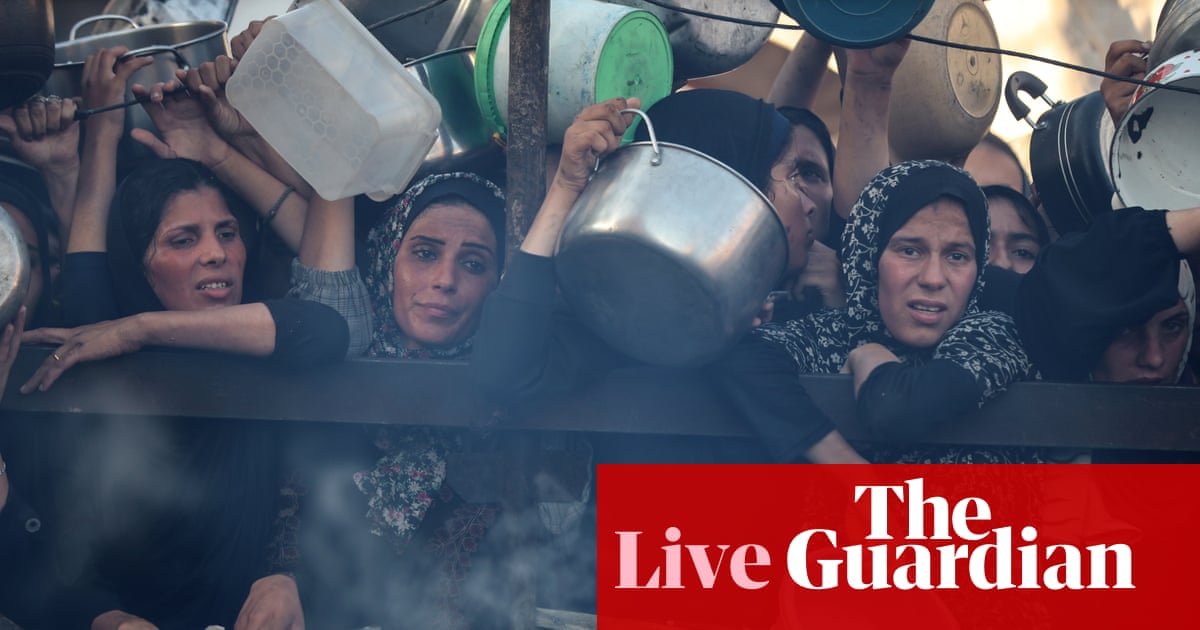
Geopolitical risks are heightened as Iran threatens to withdraw regional security commitments, including in the critical Hormuz Strait, if European powers reimpose sanctions over its nuclear program, a move with direct implications for global energy markets ahead of diplomatic talks. This coincides with a worsening humanitarian crisis in Gaza, evidenced by reports of significant civilian casualties from Israeli fire during aid distribution and escalating hunger, alongside new Israeli evacuation orders, signaling persistent and severe regional instability.
Geopolitical risk in the Middle East is escalating on multiple fronts, with significant implications for global energy markets and regional stability. Iran has issued a direct threat to withhold security commitments in the Persian Gulf and the critical Hormuz Strait if European powers (E3) proceed with reimposing UN sanctions. This ultimatum precedes crucial talks scheduled for Friday in Istanbul and follows an E3 warning that sanctions could be restored by the end of August if nuclear negotiations do not advance. This raises the stakes for a diplomatic failure, directly tying the nuclear dispute to the security of global oil transit routes. Concurrently, the humanitarian situation in Gaza is deteriorating sharply, evidenced by reports of at least 93 Palestinian casualties from Israeli fire during aid distribution—an event with conflicting narratives from Palestinian health officials and the Israeli military. This, combined with new Israeli evacuation orders for crowded areas and UN reports of starvation, signals a deepening and intractable conflict that is fueling broader regional tensions, as seen in protests in Morocco and a fragile ceasefire in Syria following intense sectarian violence.
AI-powered research, real-time alerts, and portfolio analytics for institutional investors.
Overall Sentiment
extremely negative
Sentiment Score
-0.85
