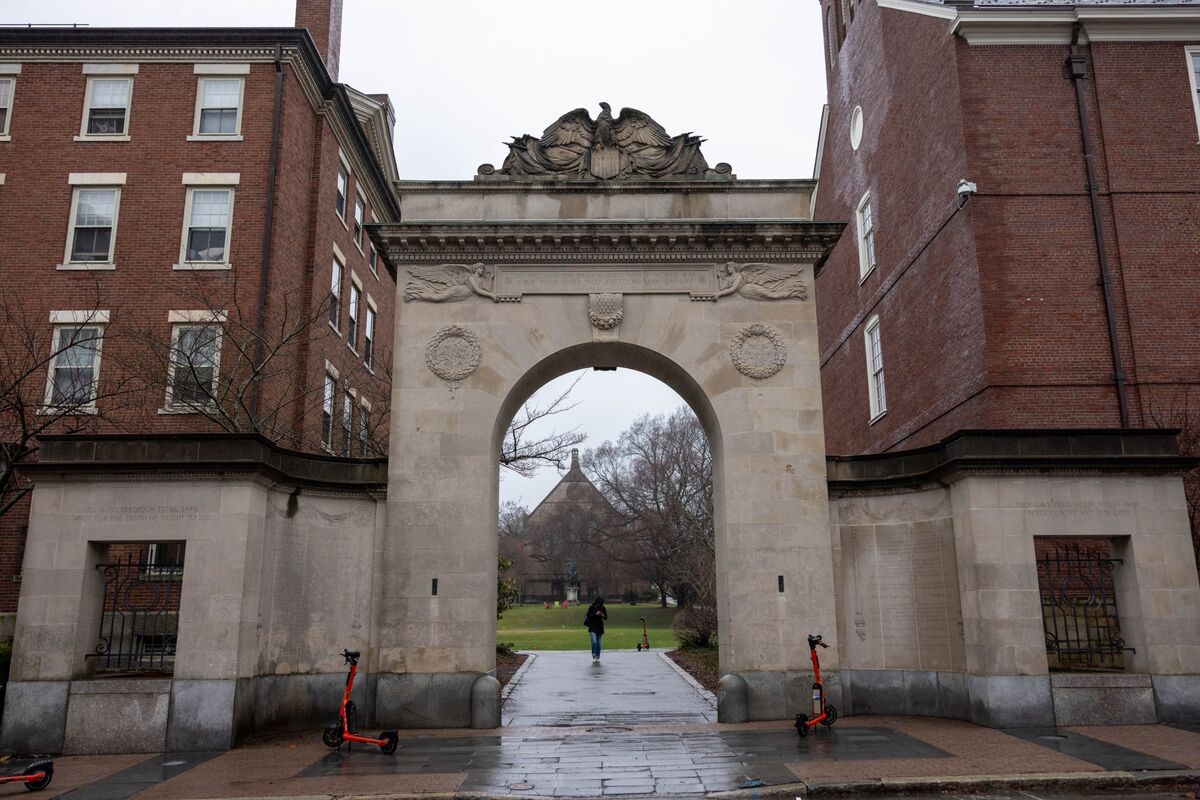
Brown University has reached a $50 million agreement with the Trump administration to restore its research funding. The deal mandates Brown to allocate $50 million over the next decade for Rhode Island workforce development programs, enhance the campus climate for Jewish students, and revise gender identity policies in line with new White House guidelines, positioning it as the latest elite university to align with the administration's higher education reform initiatives.
Brown University has entered into a significant agreement with the Trump administration to restore its research funding, committing to a $50 million payment over the next decade. This payment is earmarked for workforce development programs within Rhode Island, and the deal includes non-monetary conditions such as revising policies on gender identity and improving the campus climate for Jewish students. This event is not isolated but part of a larger White House campaign to influence higher education policies, using federal research funding as a lever. The neutral sentiment score and low market impact score (0.05) are appropriate, as the immediate financial market implications are minimal given Brown University is a non-profit entity and no publicly traded companies are directly involved. The primary significance of this development lies within the political, regulatory, and legal spheres, highlighting a trend where federal funding is increasingly tied to policy alignment, creating a new dimension of operational and compliance risk for research institutions.
AI-powered research, real-time alerts, and portfolio analytics for institutional investors.
Request DemoOverall Sentiment
mixed
Sentiment Score
0.00
