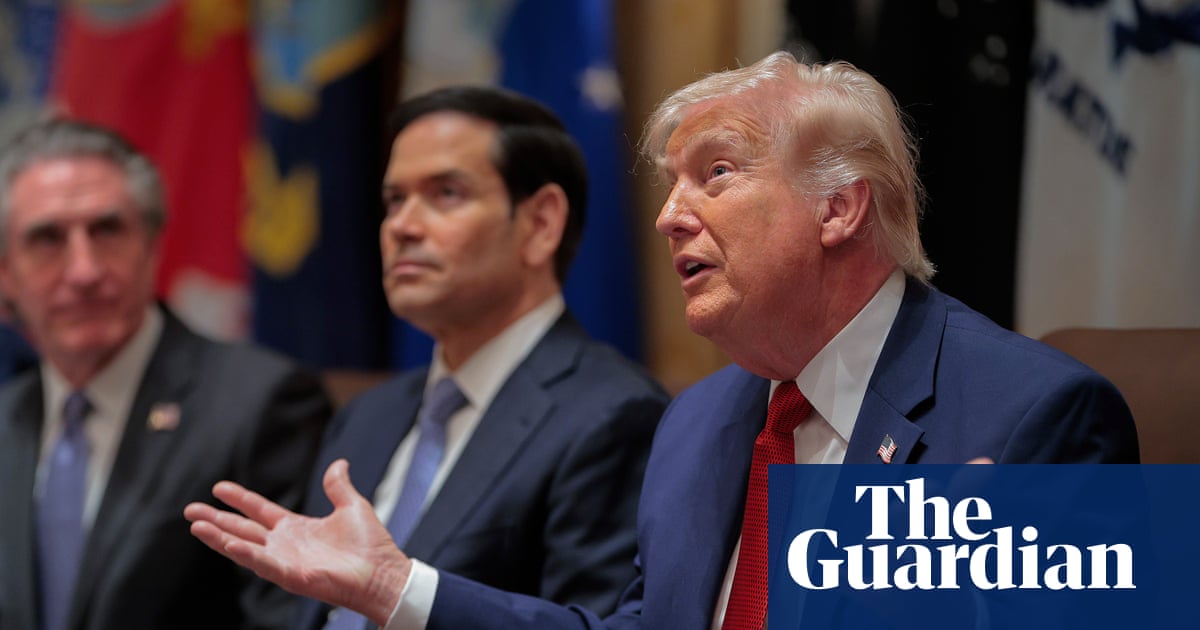
President Trump extended his ultimatum by 10 days to 6 April 2026 over reopening the Strait of Hormuz, while the waterway is described as effectively all but closed and alternate crude exports via the Red Sea have surged. Heavy US/Israeli strikes and Iranian retaliatory attacks, plus thousands of US marines deployed and threats to seize Kharg Island, have escalated the conflict (reported fatalities: >1,900 in Iran, ~1,100 in Lebanon, 18 in Israel), raising the probability of broader regional disruption. This poses a high risk of sustained oil supply shocks and shipping disruptions to trade routes that handle roughly $1tn of goods annually, likely prompting risk-off flows and upward pressure on energy and insurance-related prices.
The market is pricing a high-probability, but binary, supply-disruption premium concentrated in the next 10-90 days; that premium compresses sharply if a diplomatic window holds or if coalition forces physically secure key export hubs within 2-6 weeks. Mechanically, a sustained chokepoint increases spot tanker rates (VLCC/Suezmax) and marine insurance (P&I and war-risk) which add $3–7/bbl effective transportation cost for marginal barrels and shift short-cycle production economics in favor of US independents with flexible takeaway.
Second-order winners are not just E&P names: offshore services, shipowners with VLCC exposure, and specialty insurers should see outsized revenue upside from higher dayrates and surged premium renewals over the next 3–12 months; suppliers with fixed-price long-cycle contracts (integrated refiners) will see margin compression. Conversely, sectors leveraged to just-in-time global manufacturing (container shipping, auto OEMs with multi-sourcing) face inventory-driven margins hit if rerouting raises lead times by 2–4 weeks, elevating working capital needs and FX stress in emerging market borrowers.
Tail-risks to watch: (1) hair-trigger kinetic escalation (seizure of oil hubs or wide Houthi activation) that could add $15–30/bbl in realized risk premium in days; (2) rapid diplomatic unwind or coordinated SPR releases that can shave $8–12/bbl in 30–60 days. Monitoring actionable indicators (insurance premium quotes, VLCC spot rates, Kharg/terminal access, and Pakistan-mediated concession language) will give 48–72 hour lead time to rotate exposures.
AI-powered research, real-time alerts, and portfolio analytics for institutional investors.
Request DemoOverall Sentiment
strongly negative
Sentiment Score
-0.78
