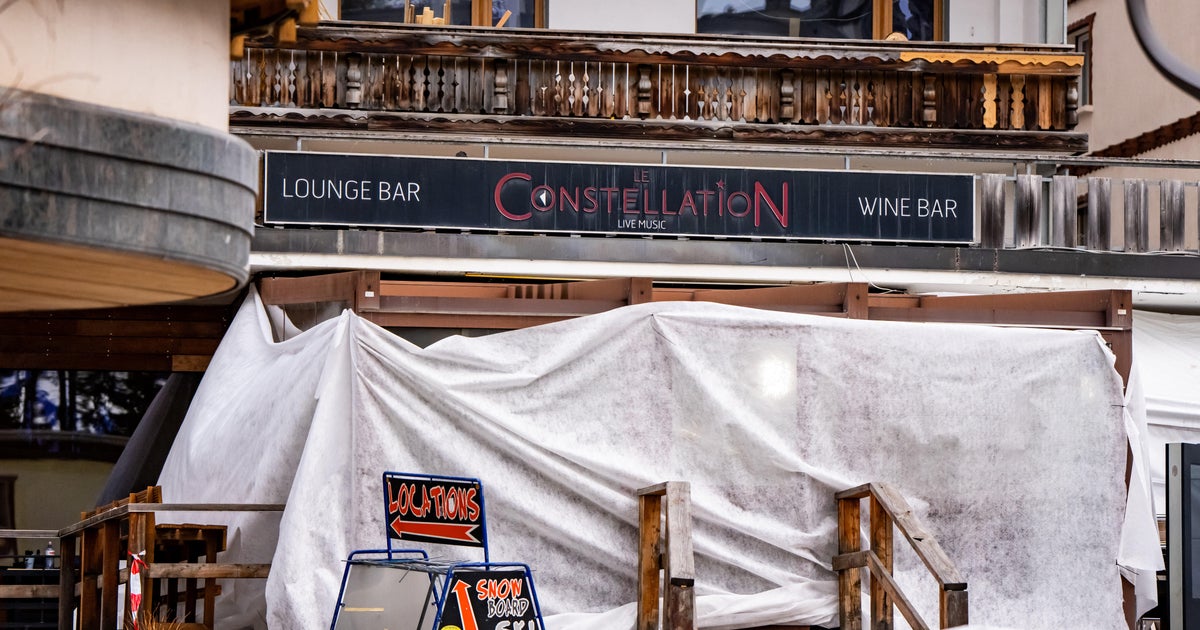
Massachusetts State Fire Marshal Jon Davine issued notices to bars, restaurants and clubs warning that sparklers and similar pyrotechnics — including so-called 'cold spark' devices sold as novelties — are illegal in the Commonwealth without professional licensing, certification and permitting, citing a New Year’s Eve bar fire in Switzerland that killed 40 and injured more than 100. The marshal also notified Florida-based King of Sparklers LLC over a shipment to a Fall River establishment and emphasized the extreme burn temperatures (over 1,800°F) and reignition risk, signaling enforcement and liability risks for hospitality operators that use or sell prohibited pyrotechnic products.
Market structure: Winners are industrials and building-systems vendors that sell fire detection/suppression and licensed pyrotechnic services (e.g., Johnson Controls JCI, Honeywell HON) and commercial insurers able to reprice hospitality risk; losers include novelty/party-retailers (Party City PRTY) and small independent bars/clubs facing compliance costs. Expect a reallocation of demand from informal novelty sparklers to professionally licensed devices and safety retrofits; estimate a 1–3% incremental revenue tailwind to building-systems vendors in affected states over 12 months, with modest margin benefit if pricing can be passed through.
Risk assessment: Tail risks include a US litigation wave or aggressive state-level bans that force retrofits and drive insurance claims (low-probability, high-impact); operational risks hit small operators most and can raise restaurant operating costs by 50–200bps within 6–12 months. Hidden dependencies: enforcement actions create inventory seizures and supply shocks for importers, while rising insurance rates can compress restaurant FCF and raise small business loan delinquencies, slightly widening muni/small-corp credit spreads.
Trade implications: Direct plays — establish modest longs in JCI and HON (1–3% portfolio each) with 6–12 month horizons; short PRTY (0.5–1%) or buy 3–6 month PRTY put spreads targeting 10–25% downside if state bans expand. Options — buy JCI 6–12 month call spreads (e.g., 5–15% OTM) to capture regulatory-driven upside while capping cost; pair trade long JCI vs short PRTY to isolate regulatory-safety exposure; rotate +2–4% weight from small-cap retail/discretionary into industrials and select insurers (TRV, HIG).
Contrarian angles: Consensus will treat this as a niche safety memo — missing is the structural consolidation it can trigger: professional pyrotechnics and fire-safety vendors gain pricing power and higher recurring service revenue, while many novelty resellers face secular decline. If enforcement remains limited, trades will underperform; conversely, if 3+ states issue formal bans within 90 days, scale into longs (double positions) and widen shorts on party-retailers.
AI-powered research, real-time alerts, and portfolio analytics for institutional investors.
Request DemoOverall Sentiment
neutral
Sentiment Score
0.00
