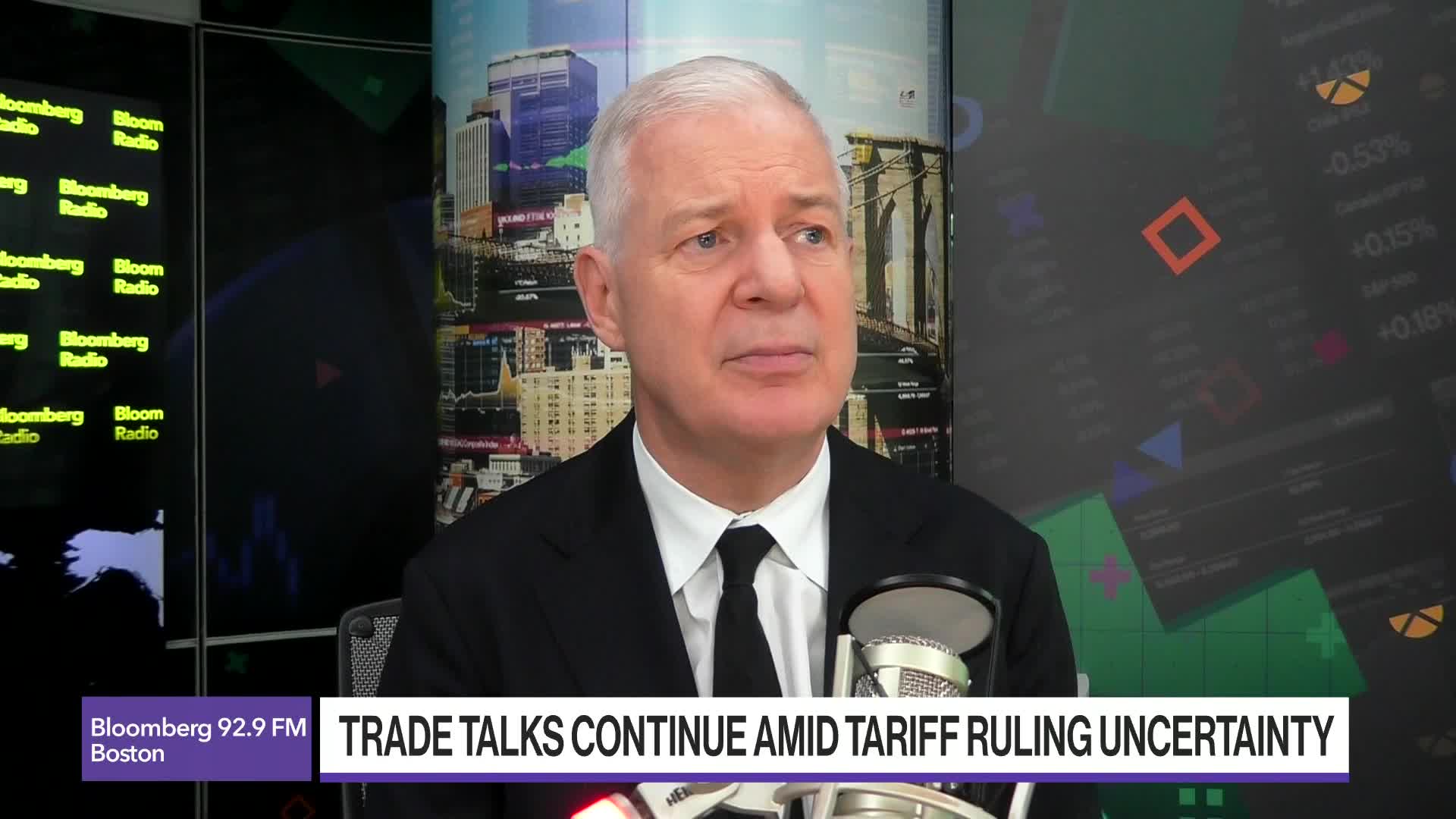
International Chamber of Commerce Secretary General John Denton characterizes the uncertainty surrounding US tariff and trade policy as a 'tax' on international business. Denton's comments highlight concerns within the international business community regarding the impact of unpredictable US trade policies and their potential to deter investment.
John Denton, Secretary General of the International Chamber of Commerce, has articulated that the prevailing uncertainty surrounding U.S. tariff and trade policy effectively functions as a 'tax' on international business operations. This characterization, sourced from Bloomberg, highlights significant concerns within the global business community regarding the unpredictable nature of U.S. trade measures, which carry a moderately negative sentiment and a pessimistic tone. Such unpredictability can impede strategic planning, increase operational costs for businesses engaged in international trade, and potentially dampen the appetite for U.S. investment among international entities, registering a moderate market impact score of 0.6. The core issues revolve around themes of taxation, tariffs, and disruptions to trade policy and supply chains, suggesting a challenging environment for companies reliant on stable international commerce.
AI-powered research, real-time alerts, and portfolio analytics for institutional investors.
Request DemoOverall Sentiment
moderately negative
Sentiment Score
-0.50
