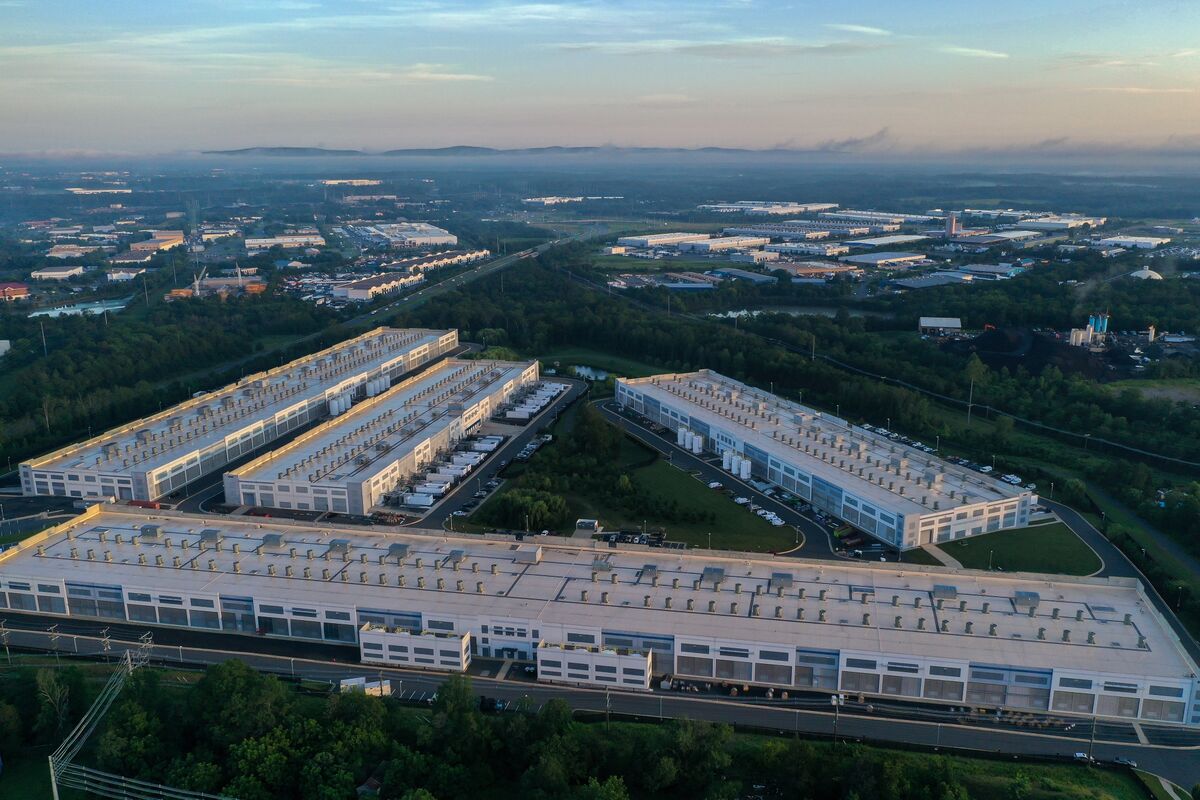
Amazon’s carbon emissions rose 6% in 2024 to 68.25 million metric tons of CO2 equivalent, marking the first increase in three years, driven primarily by data center construction and fuel consumption from delivery providers. This surge puts the company's emissions a third higher than when it pledged in 2019 to achieve net-zero by 2040, raising questions about its sustainability targets amid rapid infrastructure expansion.
Amazon's carbon emissions reversed a two-year downward trend, rising 6% in 2024 to 68.25 million metric tons of CO2 equivalent. This increase, detailed in the company's annual sustainability report, is primarily attributed to the expansion of its data center infrastructure and heightened fuel consumption within its delivery network. The development is particularly significant as it places the company's emissions a third higher than they were in 2019, the year Amazon committed to its ambitious goal of achieving net-zero emissions by 2040. This divergence between its sustainability pledge and its operational reality highlights a core tension for the company: the environmental cost associated with fueling its high-growth business segments, which could attract heightened scrutiny from ESG-focused stakeholders.
AI-powered research, real-time alerts, and portfolio analytics for institutional investors.
Request DemoOverall Sentiment
moderately negative
Sentiment Score
-0.60
Ticker Sentiment
