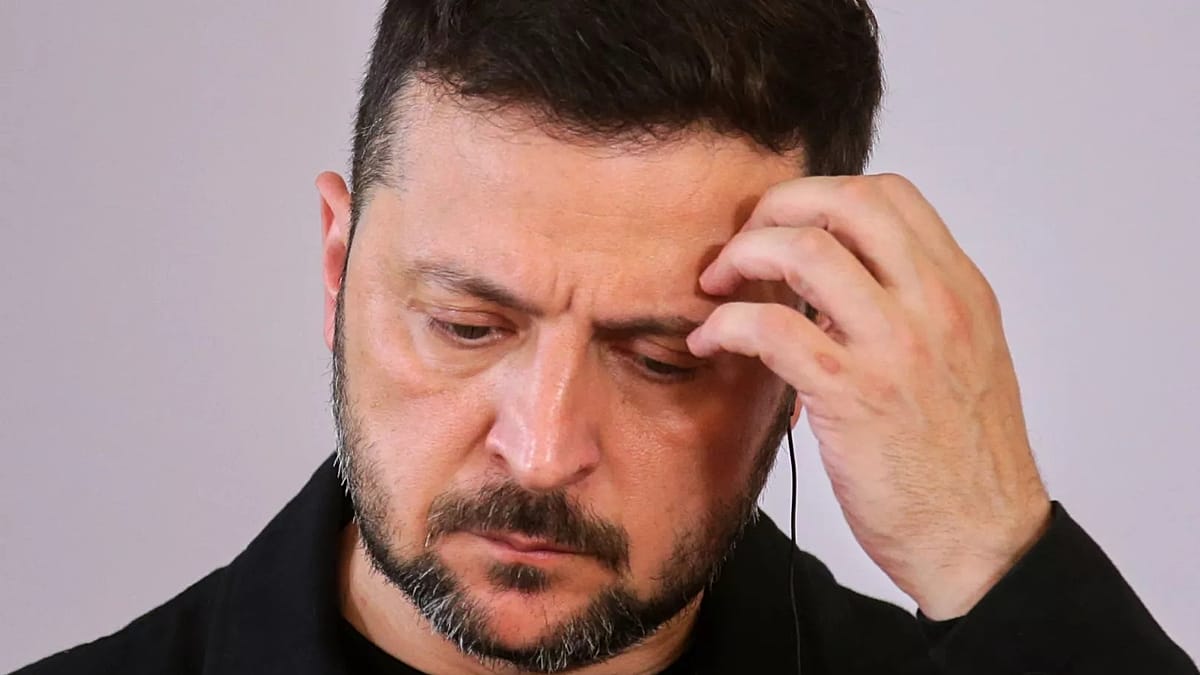
Ukraine's National Anti-Corruption Bureau (NABU) and Specialised Anti-Corruption Prosecutor's Office (SAPO) have uncovered a major corruption scheme at state nuclear power company Energoatom, involving approximately $100 million in laundered funds and bribes of 10-15% on contracts. Eight individuals have been charged, including high-ranking officials and businessman Timur Mindich, a former associate of President Zelenskyy, whose involvement significantly heightens the political sensitivity of the investigation. In response, Kyiv has launched a comprehensive audit of all state-owned enterprises, leading to resignations of key energy ministers, as Ukraine seeks to reaffirm its commitment to anti-corruption efforts, a critical requirement for its EU accession process.
Ukraine's National Anti-Corruption Bureau (NABU) and Specialised Anti-Corruption Prosecutor's Office (SAPO) have uncovered a significant corruption scheme within state nuclear power company Energoatom, involving approximately $100 million in laundered funds. Bribes of 10-15% on contract values were allegedly collected by "outsiders" who effectively managed the strategic enterprise, which boasts over €4 billion in annual revenue. Eight individuals have been charged, exposing systemic governance failures within a critical state-owned entity.
The investigation's political sensitivity is heightened by the alleged involvement of Timur Mindich, a former business partner and close associate of President Zelenskyy, who has since been sanctioned. This scandal directly challenges Zelenskyy's anti-corruption platform and could impact Ukraine's international standing, particularly concerning its EU accession process, where anti-graft efforts are a key requirement. The resignations of Energy Minister Svitlana Hrynchuk and former Energy Minister Halushchenko underscore the immediate political fallout.
In response, Kyiv has initiated a comprehensive anti-corruption audit across all state-owned companies, including those in the energy sector, with supervisory boards instructed to review procurement practices. This proactive measure, alongside the EU's affirmation that the investigations demonstrate the effectiveness of Ukraine's anti-corruption institutions, suggests a commitment to strengthening governance. However, the legal departure of key implicated individuals like Mindich and Tsukerman due to dual citizenship or age highlights potential prosecution challenges.
AI-powered research, real-time alerts, and portfolio analytics for institutional investors.
Request DemoOverall Sentiment
mixed
Sentiment Score
-0.15
