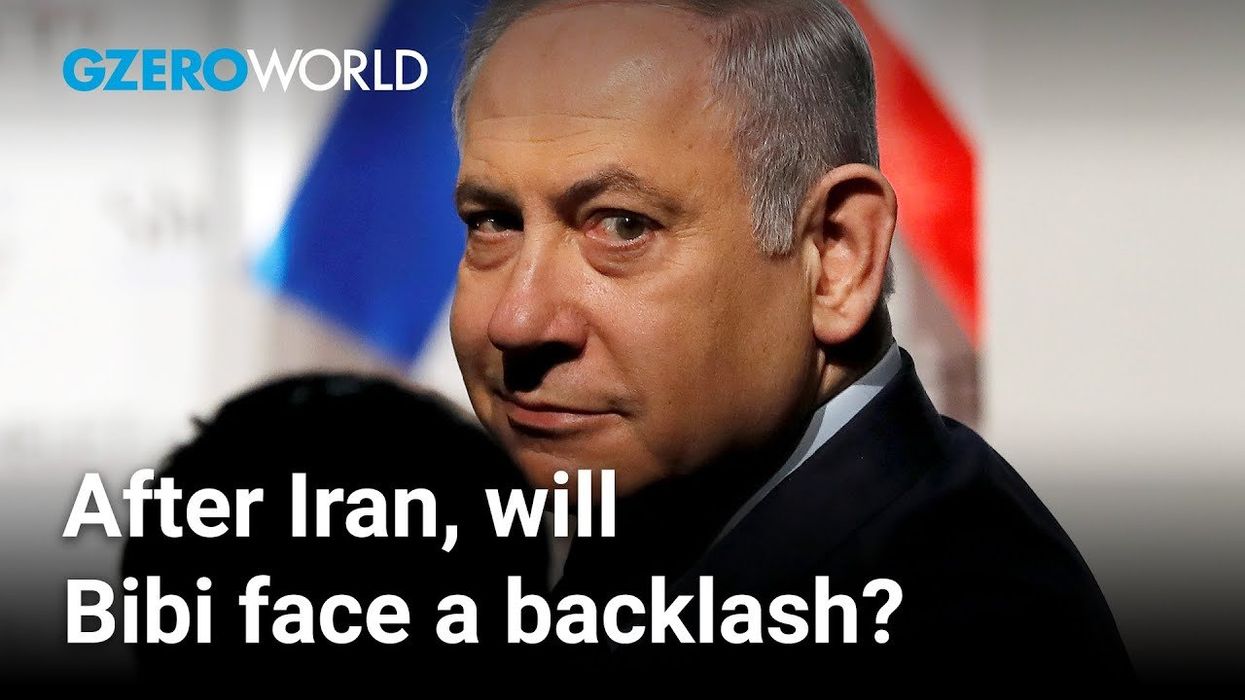
Israel's recent military success against Iran has temporarily bolstered Prime Minister Netanyahu's political standing, yet New York Times columnist Tom Friedman highlights that deeper domestic divisions persist, with the military gains largely attributed to forces previously opposing him. Friedman emphasizes that critical choices for Gaza remain, including partnering with an international Arab force and the Palestinian Authority—a path he suggests would secure Netanyahu's long-term political future. However, the enduring ideological opposition to Netanyahu indicates that Israel's post-war political landscape will remain highly dynamic, despite the recent geopolitical win.
Israel's recent military success against Iran has temporarily strengthened Prime Minister Netanyahu's geopolitical and domestic standing, yet this masks significant underlying fragility. According to analysis from New York Times columnist Tom Friedman, the victory was secured largely by the same elements of Israeli society that have been actively protesting against Netanyahu's government, indicating that deep-seated domestic divisions persist. The critical variable for Israel's future political trajectory is the strategic choice regarding Gaza. Friedman outlines three paths: partnering with an international Arab force and the Palestinian Authority, ceding control to local militias, or a permanent reoccupation. The first option is presented as a potential game-changer that could secure Netanyahu's political future for years. However, the raw ideological opposition to his vision suggests the political landscape remains highly volatile, pointing toward a period of unpredictable political chemistry rather than a stable resolution.
AI-powered research, real-time alerts, and portfolio analytics for institutional investors.
Request DemoOverall Sentiment
mixed
Sentiment Score
0.00
Ticker Sentiment
