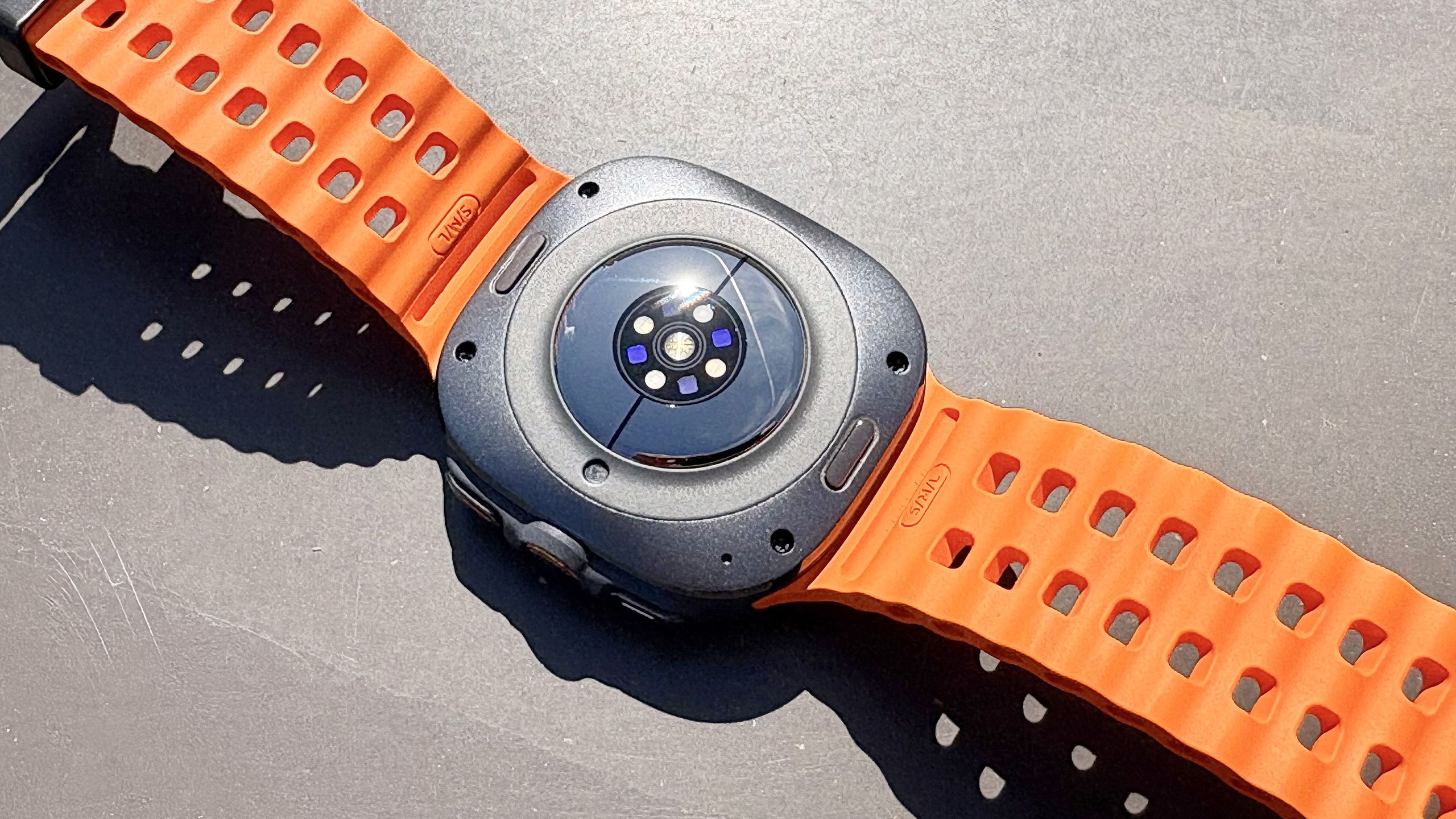
Samsung's Galaxy Watch blood pressure tracking is now approved for U.S. users on Galaxy Watch 4 and newer. The feature provides systolic, diastolic and pulse readings but requires calibration with a traditional cuff every 28 days. Unlike Apple Watch's Hypertension Alerts (which do not deliver numeric BP readings and use a 30‑day calibration period without an external cuff), Samsung delivers actual BP measurements on‑device — a competitive product milestone that enhances Samsung's wearable positioning but is unlikely to drive material near‑term stock movement.
This incremental move in on-wrist blood pressure capability is less a hardware win than the opening salvo in a multi-year contest over clinical-grade biosignal data and the downstream services it enables. The real economic prize is recurrent revenue from data-driven care pathways (insurer reimbursements, remote patient monitoring, subscription health services) — winners will be platforms that convert episodic device engagement into continuous clinical workflows, not simply the firm that ships the first feature.
Second-order supply chain effects favor diversified SoC/sensor suppliers and telehealth integrators: expect higher ASPs per wearable if vendors bundle certified sensing stacks plus validation/documentation, and expect increased demand for third-party clinical validation labs. Near-term adoption will be governed by user friction, clinical trust and payer acceptance; those are multi-quarter to multi-year gating items that blunt immediate monetization but raise long-term retention once overcome.
Key risks: regulatory pushback, published accuracy failures or class-action suits could compress multiples for consumer wearables across the sector within 3–12 months; conversely, a favorable large-scale validation study or insurer pilot could re-rate platform multiples and accelerate B2B revenue within 6–18 months. Monitor non-obvious catalysts — cross-licensing deals with EMR vendors, CPT code adoption for remote BP monitoring, and partnership announcements with major insurers — any of which would shift the investment payoff materially.
Consensus is underweight the timeline disconnect between feature announcements and durable revenue. The market tends to price wearable wins as near-term hardware share gains; the contrarian view is that platform-level services will drive the biggest P&L impacts, so position sizing should emphasize service-exposed equities over pure-play device vendors.
AI-powered research, real-time alerts, and portfolio analytics for institutional investors.
Request DemoOverall Sentiment
mildly positive
Sentiment Score
0.15
Ticker Sentiment
