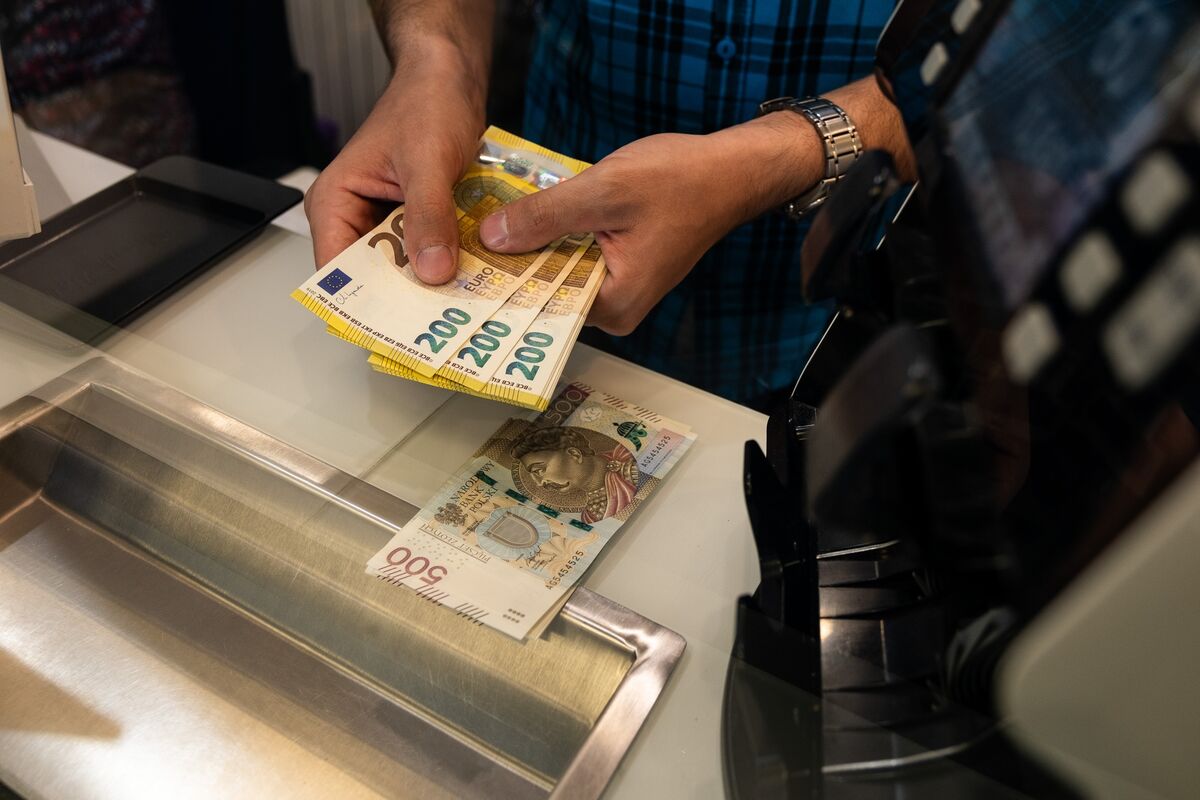
The Polish Zloty (PLN) experienced a notable decline against the U.S. Dollar (USD) after former President Donald Trump publicly endorsed the use of force against Russian jets. This statement has amplified geopolitical tensions, particularly concerning Eastern Europe, prompting investors to shift capital away from regional currencies towards perceived safe-haven assets, thus weakening the Zloty.
The Polish Zloty (PLN) has experienced a notable depreciation against the U.S. Dollar, a direct consequence of escalating geopolitical tensions in Eastern Europe. The catalyst for this market movement was a statement by former U.S. President Donald Trump, who endorsed using force against Russian jets, triggering a classic risk-off sentiment as confirmed by a strongly negative score of -0.75. This rhetoric has prompted a flight-to-safety, with investors shifting capital from regional emerging market currencies like the Zloty towards perceived safe-haven assets, primarily the USD. The event underscores the PLN's high sensitivity to geopolitical developments related to the Russia-Ukraine conflict and highlights how political statements can serve as a significant driver of currency volatility, independent of domestic macroeconomic fundamentals.
AI-powered research, real-time alerts, and portfolio analytics for institutional investors.
Request DemoOverall Sentiment
strongly negative
Sentiment Score
-0.75
