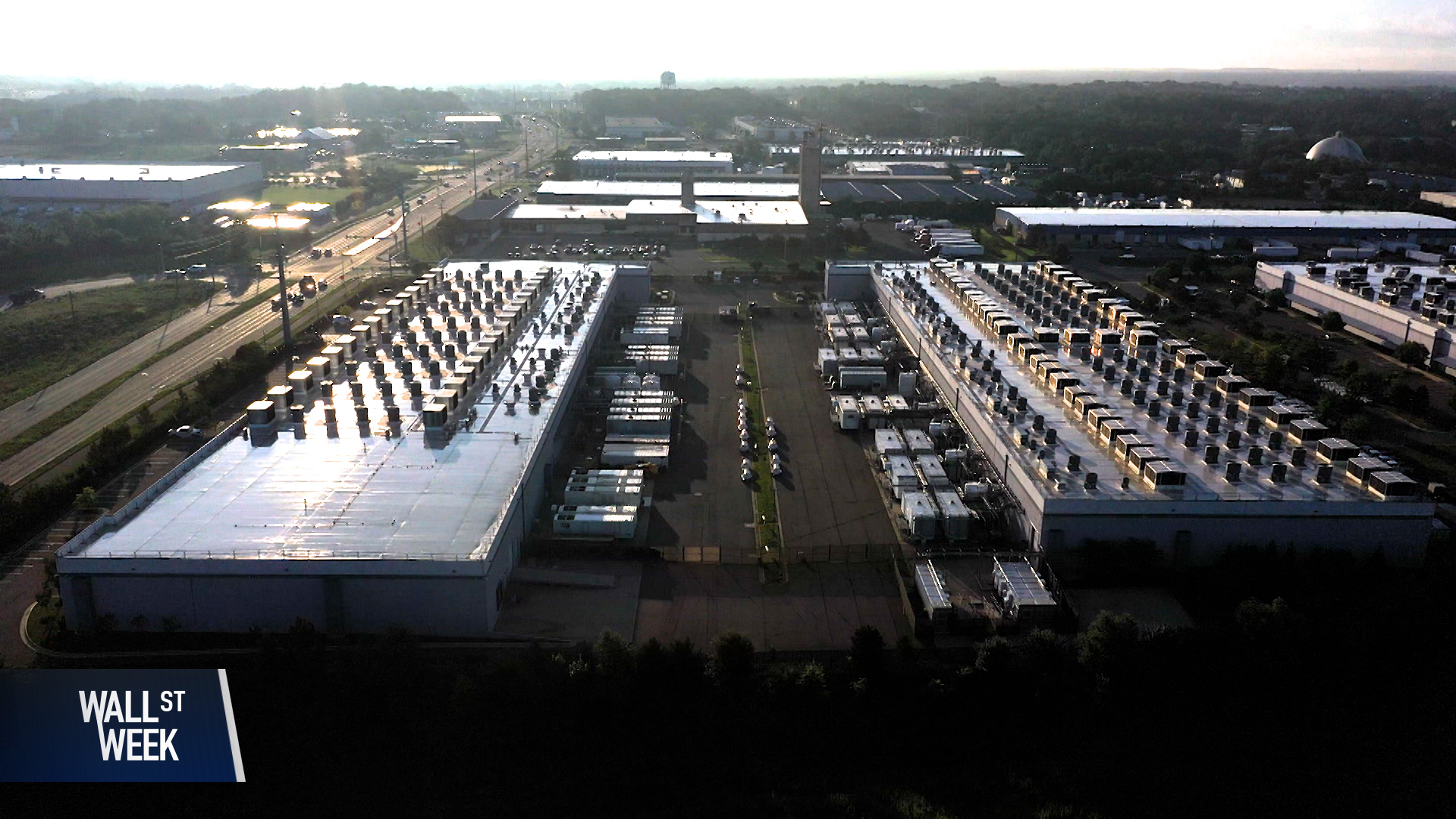
Recent Wall Street Week segments highlighted critical economic, technological, and geopolitical themes pertinent to investors, including how CEOs are navigating Trump-era policies and the implications of the US-China trade conflict, with Lawrence Summers suggesting China's Xi has prevailed. The program also explored the significant impact of the AI boom on the labor market, particularly the challenges faced by college graduates and the broader risk to entry-level jobs. Further discussions covered the effects of tariffs on textile companies and the energy demands associated with powering data centers.
The current investment landscape is shaped by a confluence of significant geopolitical, technological, and domestic policy crosscurrents, creating a climate of uncertainty. A key point of friction is the US-China trade relationship, with analysis from prominent figures like Lawrence Summers suggesting China is emerging as the victor in the trade conflict, implying persistent headwinds for US companies reliant on global supply chains. This is exemplified by the specific pressures on tariff-sensitive sectors like textiles. Concurrently, the artificial intelligence boom presents a dual-edged impact: it is fueling a secular growth trend in energy demand for powering data centers, creating opportunities in the utilities and power infrastructure sectors. However, this same technological wave is causing a significant disruption in the labor market, leading to a 'bust' for entry-level positions and creating structural challenges for recent college graduates, which could have downstream effects on consumer spending patterns. Corporate leadership is actively navigating this complex environment, particularly in anticipation of potential 'Trump-era' policies, highlighting a high degree of policy-driven risk and the need for strategic agility.
AI-powered research, real-time alerts, and portfolio analytics for institutional investors.
Overall Sentiment
mildly negative
Sentiment Score
-0.35
