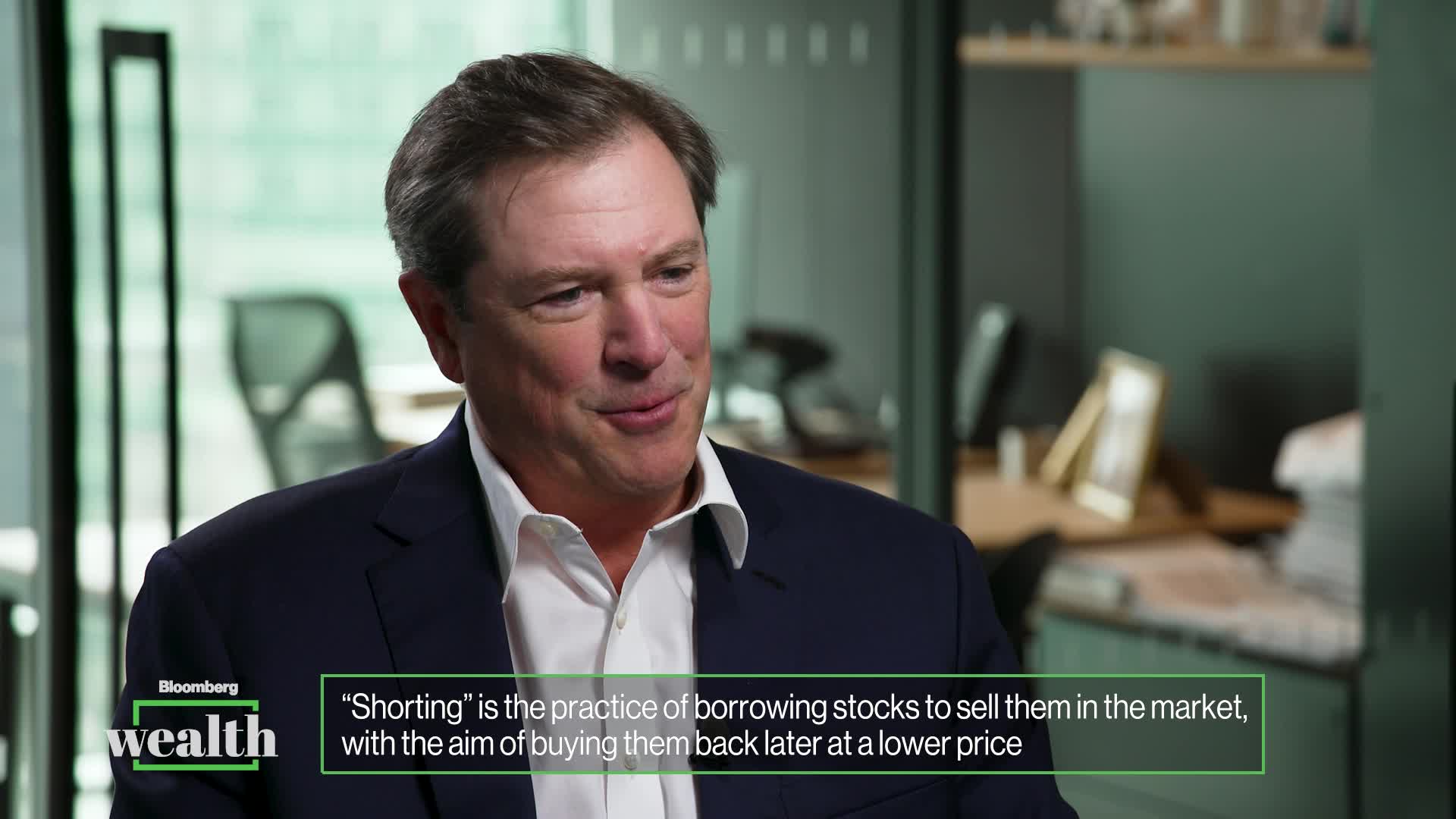
Maverick Capital Founder and Managing Partner Lee Ainslie affirmed the firm's continued commitment to short-selling as a core strategy, despite its inherent risks and declining market popularity, as detailed in a recent Bloomberg Wealth interview. This stance underscores a contrarian strategic approach by a prominent hedge fund amidst broader market trends away from short positions.
Maverick Capital's Founder and Managing Partner, Lee Ainslie, has publicly reaffirmed the firm's commitment to short-selling as a core component of its investment strategy. This statement is particularly noteworthy given Ainslie's acknowledgment of the strategy's inherent risks and its declining popularity across the broader market. Maverick's persistent use of short-selling signals a contrarian approach, differentiating the firm from peers who may be de-emphasizing such positions. This insight into Maverick's strategic positioning, highlighted in a Bloomberg Wealth interview, provides a key data point for understanding how established hedge funds are navigating the current investment landscape and seeking to generate alpha beyond long-only approaches.
AI-powered research, real-time alerts, and portfolio analytics for institutional investors.
Request DemoOverall Sentiment
neutral
Sentiment Score
0.00
