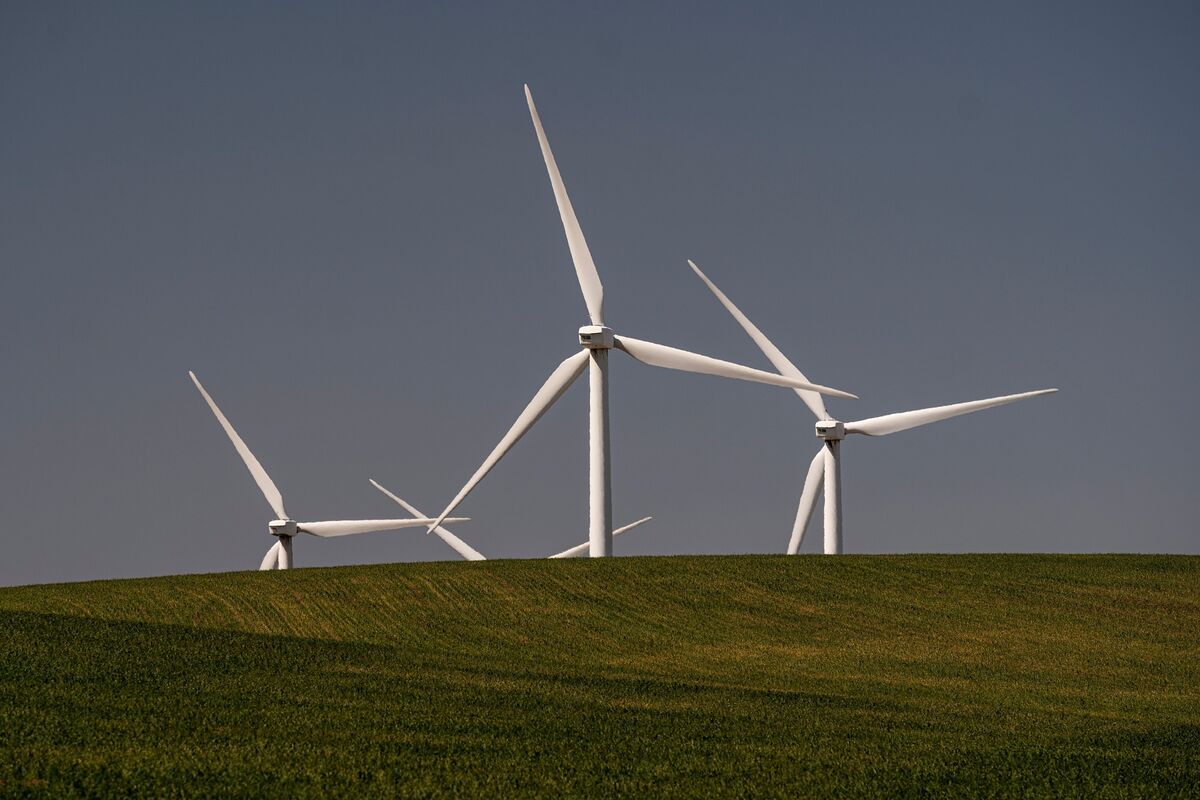
SunZia, billed as the largest clean energy installation in the US, is due to come online as soon as June 15 with 3.5 gigawatts of wind capacity, enough to power about one million homes annually. The project also includes a 550-mile transmission line to Arizona and represents a major milestone for US renewable buildout despite broader pressure on new large-scale projects. The tone is positive for clean-power infrastructure, though the immediate market impact is more sector-specific than market-wide.
The key market implication is not the single project itself, but the signaling effect: a utility-scale renewables asset is still reaching COD despite a hostile permitting backdrop, which suggests the near-term bottleneck has shifted from technology or capital to transmission and policy execution. That favors firms with already-permitted, late-stage pipeline or captive load/offtake structures, while punishing developers dependent on fresh federal approvals because the replacement rate for retired fossil generation is now looking constrained.
The second-order winner is the grid interconnection and balancing ecosystem. A 3.5 GW nameplate asset with a long-haul line increases demand for transmission equipment, HVDC components, transformers, and battery storage to manage curtailment and ramping; those are higher-confidence beneficiaries than the project developer itself because they monetize regardless of power price outcomes. It also modestly tightens regional power markets in the Southwest over the next 6-18 months by displacing gas-fired peakers at the margin, which is bearish for merchant gas generators and supportive of utility-scale storage spreads.
Consensus is likely underestimating policy durability risk on the downside and backlog risk on the upside. If financing or interconnection policy worsens, the pipeline gap will not show up immediately in generation data, but it will surface 12-24 months later in fewer projects reaching NTP, which is when construction suppliers and transmission vendors start to feel the hit. The contrarian view is that this is actually mildly bullish for existing renewable fleets: scarcity in new build can improve pricing power and raise the value of operational assets with contracted cash flows, even if headline sentiment around the sector remains weak.
The main tail risk is curtailment: bringing on a very large intermittent asset without sufficient regional load growth or storage could create local congestion that limits realized output and earnings quality. That means the stock-level upside is likely strongest where the asset base is monetized through inflation-linked PPAs or high-quality interconnection, and weakest where revenues depend on merchant capture in oversupplied power nodes.
AI-powered research, real-time alerts, and portfolio analytics for institutional investors.
Request DemoOverall Sentiment
mildly positive
Sentiment Score
0.35
