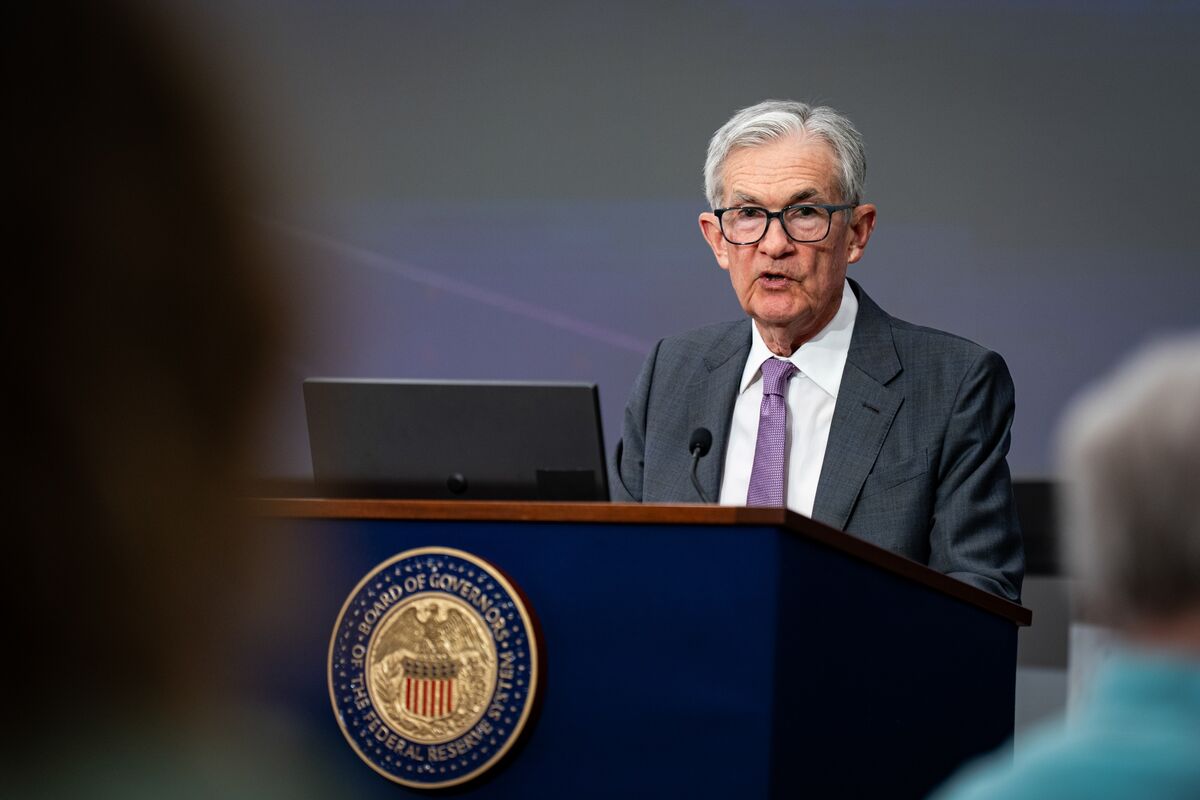
The Federal Reserve faces a challenging decision regarding interest rates amid deteriorating U.S. macro data that would typically warrant a rate cut. However, the Fed has indicated that tariffs are keeping them on hold unless economic conditions significantly worsen, and geopolitical tensions between Iran and Israel further complicate the situation, potentially prolonging the hold. The Fed's future actions and their impact on asset prices remain uncertain.
The Federal Reserve faces a particularly challenging monetary policy decision, as indicated by the article. Significantly deteriorating U.S. macroeconomic data, which would typically prompt policymakers to implement interest rate cuts, is being counteracted by the Fed's stated intention to remain on hold due to the impact of tariffs and the potential for military conflict between Iran and Israel to prolong this stance. This creates considerable uncertainty regarding the future direction of interest rates, making the Fed's dot plot projections difficult to anticipate. The market sentiment surrounding this situation is moderately negative (sentiment score: -0.6) with a pessimistic tone, and the developments are considered to have a significant market impact (score: 0.7), reflecting apprehension about how the Fed will navigate these conflicting signals and the subsequent effect on asset prices.
AI-powered research, real-time alerts, and portfolio analytics for institutional investors.
Request DemoOverall Sentiment
moderately negative
Sentiment Score
-0.60
