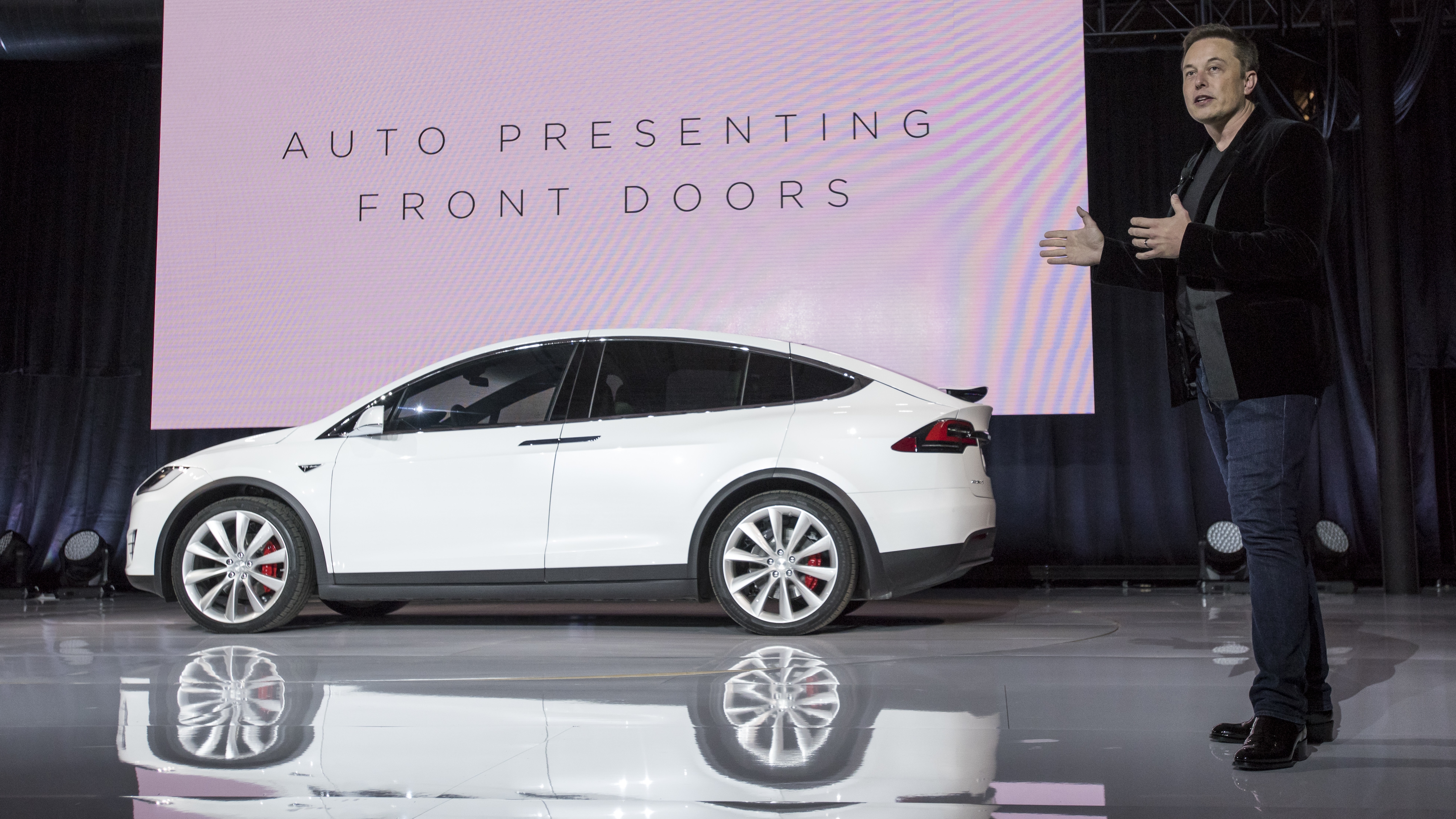
Tesla has discontinued the Model S sedan and Model X crossover to free factory capacity for production of its Optimus humanoid robot, signaling a strategic shift of investment away from passenger vehicles toward autonomy, robotaxis and large-scale robot manufacturing. The decision removes two established premium EV models from the lineup and highlights a reallocation of capital and manufacturing capacity that increases execution and demand risk for near-term high-margin vehicle revenue while prioritizing speculative, longer-term technology initiatives.
Market structure: Tesla reallocating Model S/X capacity to Optimus shifts share in the premium EV sedan/SUV niche to incumbents (MBGYY, BMWYY) and challengers (RIVN, LCID) over 6–18 months; however Model S/X volumes were <10% of Tesla's unit mix so immediate demand/supply for batteries and copper moves <5% on an annualized basis. The big beneficiary is high-end AI/compute and robotics suppliers (NVDA, STM, FANUY, ABB) as Tesla increases demand for datacenter GPUs, sensors and industrial automation components over 12–36 months. Pricing power: Tesla risks margin compression in vehicles if it concedes luxury pricing power but could expand gross margins if Optimus achieves >$5k+ per-unit contribution and recurring software revenue long-term (3–5 years).
Risk assessment: Tail risks include regulatory action on humanoid safety or worker-displacement laws, catastrophic field failures, or a failed Optimus commercial product that forces a liquidity raise; probability medium but impact high (dilution >5–10% EPS). Short-term (days–weeks) expect elevated TSLA implied volatility and guidance revisions; medium-term (3–12 months) watch capex cadence and R&D spend; long-term (2–5 years) outcomes hinge on product-market fit and robot unit economics. Hidden dependencies: Optimus success depends on continued FSD progress, NVDA supply, and factory retraining; any chokepoint (GPU supply or skilled labor) can delay revenue by 12–24 months. Key catalysts: Tesla investor day, next quarterly update (within 4–8 weeks), and NVDA earnings/guide on datacenter demand.
Trade implications: Direct: establish a tactical 1–2% portfolio short or buy a 3–6 month 15–25% OTM put spread on TSLA to hedge downside into the next earnings (target if IV >40%). Long NVDA (6–12 month call spread) and ABB/FANUY (equity or 9–12 month buys) to capture robotics capex; consider 3–6 month long volatility in TSLA via calendar or straddle around earnings. Pair trade: long NVDA (beneficiary of compute demand) / short TSLA (execution and product risk) sized 1:0.5 by notional to limit correlation. Rotate 2–4% from pure auto OEM long into semiconductors and industrial robotics over next 1–3 months.
Contrarian angles: Consensus views this as de-emphasizing cars — but market may underprice optionality if Optimus monetizes software/services and licensing (10–20% incremental margin contribution possible by year 4). Reaction could be overdone if headlines spike IV but fundamentals for vehicle cash flows remain intact; TSLA equity shorting is costly due to retail flows and buyback optionality, so prefer defined-risk put spreads or pair trades. Historical parallel: Tesla's prior pivots (energy storage, FSD) initially punished stock then later expanded TAM; downside is multi-year execution risk and investor patience. Watch for unintended consequences — cannibalized vehicle R&D, supplier bargaining power shifts, or GPU supply shortages that inflate NVDA multiples beyond justified cash flows.
AI-powered research, real-time alerts, and portfolio analytics for institutional investors.
Request DemoOverall Sentiment
mildly negative
Sentiment Score
-0.25
Ticker Sentiment
