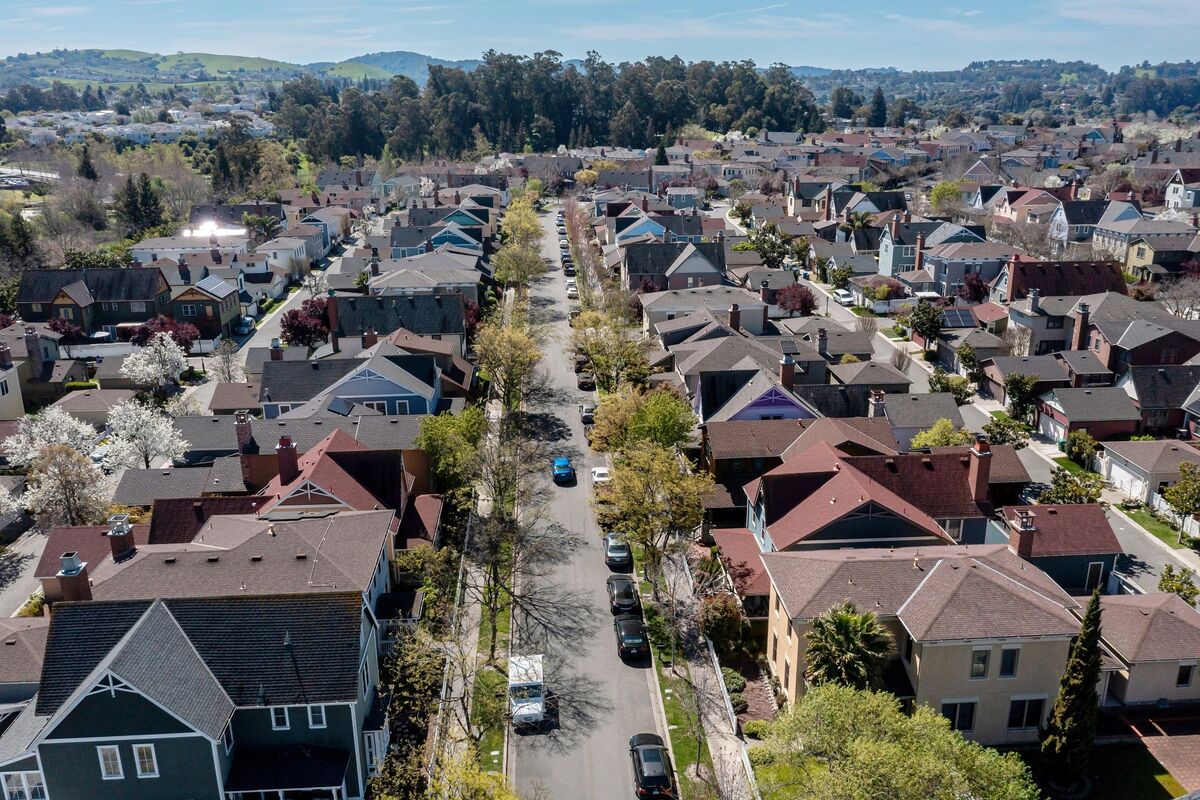
US mortgage rates have declined for the third consecutive week, with the average 30-year fixed rate falling to 6.81%, the lowest level since mid-May, according to Freddie Mac. This continued decrease may provide some relief to prospective homebuyers and potentially stimulate activity in the housing market.
US mortgage rates have registered a third consecutive weekly decline, with the average 30-year fixed-rate loan falling to 6.81% from 6.84% the previous week, according to Freddie Mac. This marks the lowest level for these borrowing costs since mid-May. This persistent, albeit modest, reduction in mortgage rates is a moderately positive signal for the housing market, potentially offering some relief from affordability challenges for prospective homebuyers. Such a trend could contribute to a stabilization or modest uptick in housing market activity if sustained, given the direct impact of borrowing costs on buyer capacity and sentiment within the real estate sector.
AI-powered research, real-time alerts, and portfolio analytics for institutional investors.
Request DemoOverall Sentiment
moderately positive
Sentiment Score
0.45
