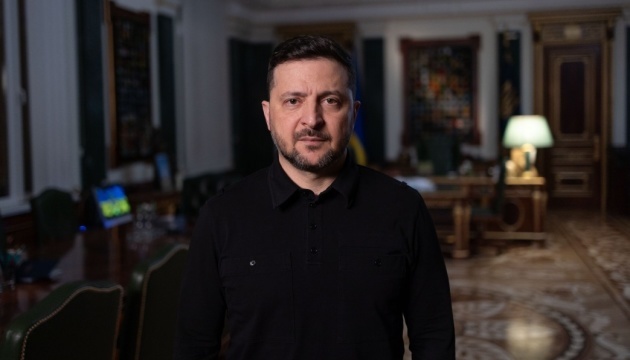
Zelensky said Ukraine carried out long-range strikes against Russian gas industry facilities in Orenburg region, more than 1,500 kilometers from Ukraine, in response to intensified Russian drone and air-bomb attacks. He framed the action as a mirror response and reiterated efforts to push toward diplomacy. The escalation adds geopolitical and energy-infrastructure risk, with potential implications for Russian supply chains and regional energy markets.
This is a classic escalation in the war-for-infrastructure pattern, but the market implication is less about one-off damage and more about a rising option value on remote disruption. Deep-strike activity against energy-processing assets inside Russia raises the probability of intermittent supply friction, even if headline export volumes initially look intact. The second-order effect is a higher geopolitical risk premium embedded in European gas and refined-product markets, because traders will start pricing not just lost molecules, but the chance of repeated repairs, insurance surcharges, and precautionary throttling.
The most exposed complex is anything reliant on stable Russian pipeline or LNG-linked flows into Europe, especially if this broadens from symbolic retaliation into a sustained campaign against compression, processing, or storage nodes. That creates a delayed inflation impulse: power prices and industrial feedstock costs can re-rate before physical shortages show up, which is typically when utilities, chemicals, fertilizer, and energy-intensive manufacturers begin underperforming. Defense and drone/interception supply chains are the cleaner beneficiary, because each incremental strike increases the perceived need for air defense, electronic warfare, and munitions replenishment.
The key near-term catalyst is not whether a facility is hit once, but whether Moscow responds by reallocating resources to protect infrastructure, which can reduce offensive capacity on the front and increase domestic security spending pressure. Over a multi-month horizon, repeated attacks on gas assets also support a more durable thesis for European diversification into non-Russian supply and storage resilience, which is constructive for LNG infrastructure owners and US gas exporters. The contrarian point: markets may overestimate immediate export disruption and underestimate how fast Russia can reroute, repair, or absorb localized damage, so the first move in gas may fade unless strikes persist with higher frequency and broader targeting.
AI-powered research, real-time alerts, and portfolio analytics for institutional investors.
Request DemoOverall Sentiment
mildly negative
Sentiment Score
-0.35
