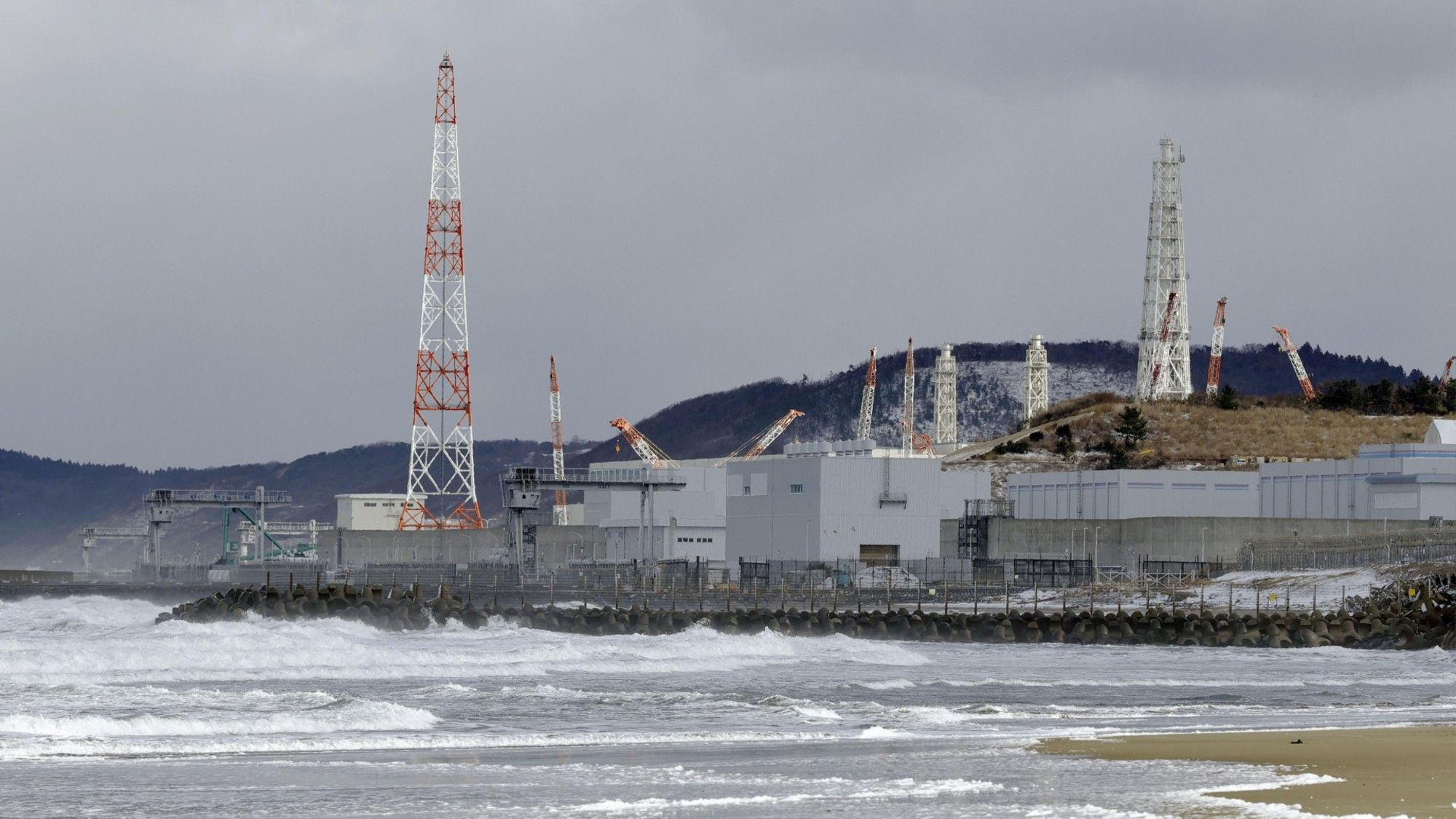
Japan has restarted reactor No.6 at the Kashiwazaki-Kariwa plant — a landmark step in its gradual return to nuclear power — after a one-day delay for an alarm issue; TEPCO says new safety measures are in place. The move comes as the government seeks lower emissions and greater energy security, with 14 of 33 operable reactors already restarted and nuclear generation having fallen from 29% pre-Fukushima to about 5% today; renewables are expected to supply 40%+ by 2040. The restart reduces reliance on LNG and coal and could lower electricity costs and boost utility profitability (operators cite operating profits in the hundreds of millions versus dormancy costs of tens of millions), but faces strong local opposition (around 420,000 residents nearby) and political/legal scrutiny that could affect implementation risk for investors in Japanese power and utility sectors.
Market structure: Restarting Kashiwazaki-Kariwa benefits Japanese utilities/operators (TEPCO 9501.T), nuclear constructors/servicers, and uranium producers as baseload supply displaces marginal LNG/coal demand; exporters of spot Asian LNG and thermal coal are the primary losers. Expect downward pressure on Asian spot LNG and thermal coal prices over 6–24 months, and reduced merchant power price volatility in Japan as baseload capacity returns.
Risk assessment: Tail risks include a safety incident, adverse court rulings or a political reversal that could force prolonged shutdowns — each would crater utility valuations and re-tighten LNG markets; probability low–medium but impact high. Immediate effects (days) are reputational/volatility spikes; short-term (weeks–months) affect fuel procurement and power margins; long-term (years) reshape Japan’s import bill, JPY flows and global LNG demand curves.
Trade implications: Tactical winners: Japanese utility equities and uranium names; tactical losers: US LNG exporters and coal miners. Use small, risk-sized positions (1–3% portfolio) and options to control tail risk; key catalysts to watch are regulator approvals, restart cadence over next 90 days, and monthly Asian LNG charter/utilization data.
Contrarian angles: Consensus understates legal/social drag — restarts may be slower than priced, keeping LNG demand higher and supporting commodity-linked names. Conversely, if 5–10 GW of reactors return by 2028, global LNG demand could fall measurably and leave LNG projects with stranded-volume risk; hedged, relative-value trades will exploit this dispersion.
AI-powered research, real-time alerts, and portfolio analytics for institutional investors.
Request DemoOverall Sentiment
mixed
Sentiment Score
0.08
