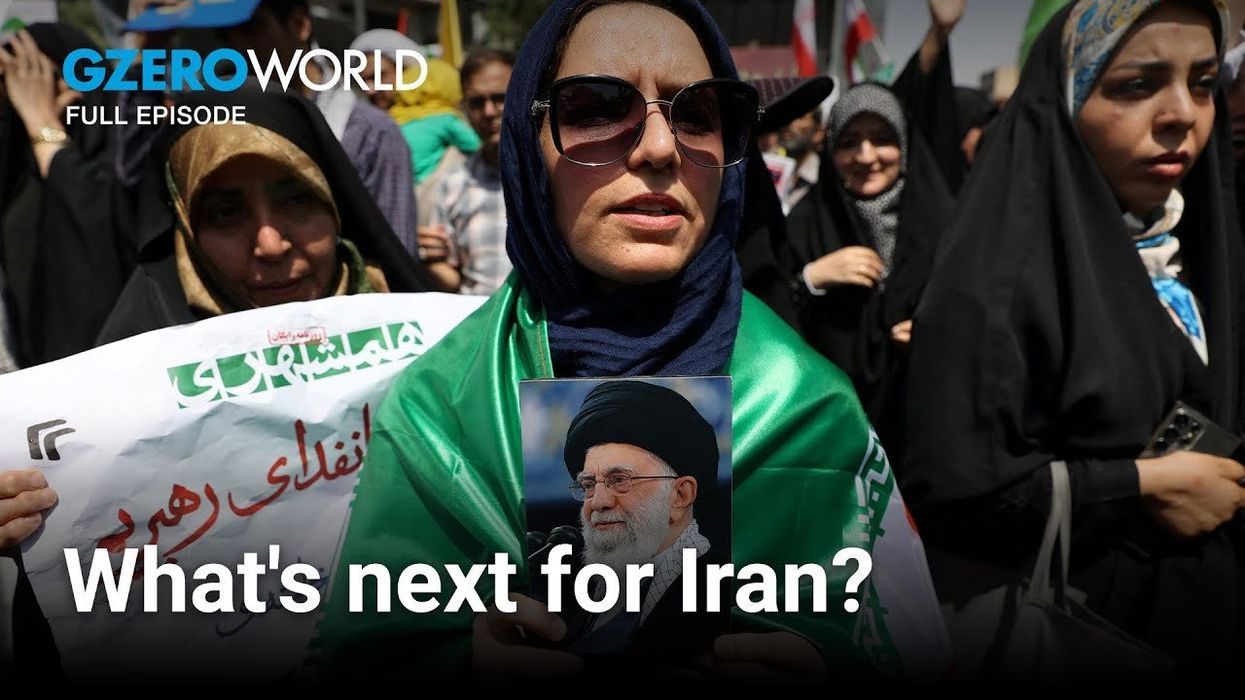
Following a brief conflict with Iran, Israeli Prime Minister Netanyahu's political standing has seen a temporary boost, though his long-term viability remains contingent on resolving the Gaza crisis, which presents a set of difficult choices including a potential US-pressured phased withdrawal. Concurrently, Iran's recent military humiliation may trigger an internal debate regarding its nuclear ambitions versus international reintegration. This geopolitical shift marks a critical juncture for regional stability and could influence US foreign policy, impacting the broader investment landscape in the Middle East.
The recent conflict involving Iran, Israel, and the United States has granted Israeli Prime Minister Benjamin Netanyahu a short-term political consolidation, but this position is precarious and hinges on a credible resolution to the crisis in Gaza. Analysis from Thomas Friedman highlights that Netanyahu faces three challenging strategic options: permanent occupation of Gaza, allowing rule by local warlords, or a phased withdrawal supported by an Arab-led peacekeeping force and the Palestinian Authority. The viability of the third option, which could secure his political future, is seen as dependent on significant pressure from Washington. This external dynamic is complicated by a key internal contradiction within Israel—the same protest groups that opposed Netanyahu’s judicial reforms were instrumental in the recent military success, signaling that domestic political tensions are likely to re-emerge. Simultaneously, Iran is at a strategic crossroads following its military humiliation, facing an internal debate on whether to escalate its nuclear program or pursue reintegration with the international community. The confluence of these factors suggests a period of heightened geopolitical uncertainty, where the long-term strategic consequences for the region are only now beginning to materialize.
AI-powered research, real-time alerts, and portfolio analytics for institutional investors.
Overall Sentiment
mildly negative
Sentiment Score
-0.35
Ticker Sentiment
