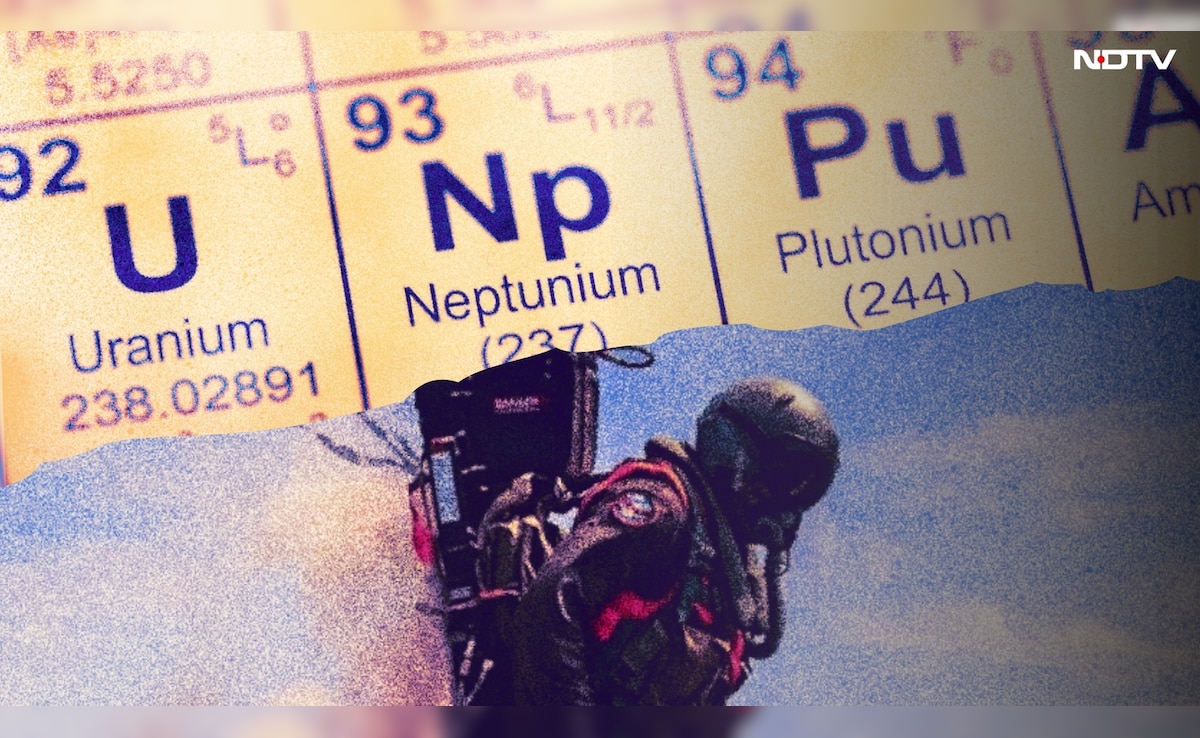
The US conducted a high-risk rescue on April 3–5 to recover a downed F-15E airman in southwest Iran, an operation that reportedly cost close to $500 million and destroyed multiple aircraft and drones. Iran alleges the mission may have been a deception to seize 400–450 kg of enriched uranium; prior US strikes (June 2025) and IAEA statements about material stored at Isfahan and Natanz raise acute nuclear-proliferation and escalation risks. This significantly elevates regional geopolitical risk and could drive risk-off flows and commodity (notably oil and uranium) volatility.
Operational-level kinetic activity in a high-risk theatre creates a multi-month procurement and logistics shock: expect the DoD to accelerate buys of precision munitions, spares, and ISR recapitalization within 30–90 days, favoring primes with available production slots and short, domestically concentrated supply chains. That reallocation will widen near-term margins for manufacturers able to convert order momentum into recognized revenue; those with long, offshore component tails face delivery slippage and margin compression.
Public debate about physical control of strategic feedstock permanently increases counterparty and legal risk in the uranium supply chain, pushing traders and utilities to pay a premium for provenance and fungibility. A credible non-market seizure pathway raises the value of on‑ground inventories and ETF/producer exposure relative to long-dated forward contracts, amplifying backwardation risk in the physical market over 3–12 months.
Financial markets will temporarily price a higher tail for geopolitical volatility: insurers, freight rates and regional counterparty credit spreads are the quickest to reprice, tightening working capital for commodity traders and smaller utilities in weeks, not years. That mechanism creates asymmetric shocks — fast liquidity hits for leveraged intermediaries versus slower revenue upside for large producers.
Near-term reversal catalysts are straightforward: verifiable diplomatic de-escalation, an IAEA-led audit with transparent custody chains, or a rapid replenishment program announced by western allies. Absent those, expect defense and uranium exposures to remain elevated for 3–12 months; a negotiated resolution would likely produce sharp mean reversion in risk premia, creating defined sell signals.
AI-powered research, real-time alerts, and portfolio analytics for institutional investors.
Request DemoOverall Sentiment
strongly negative
Sentiment Score
-0.60
