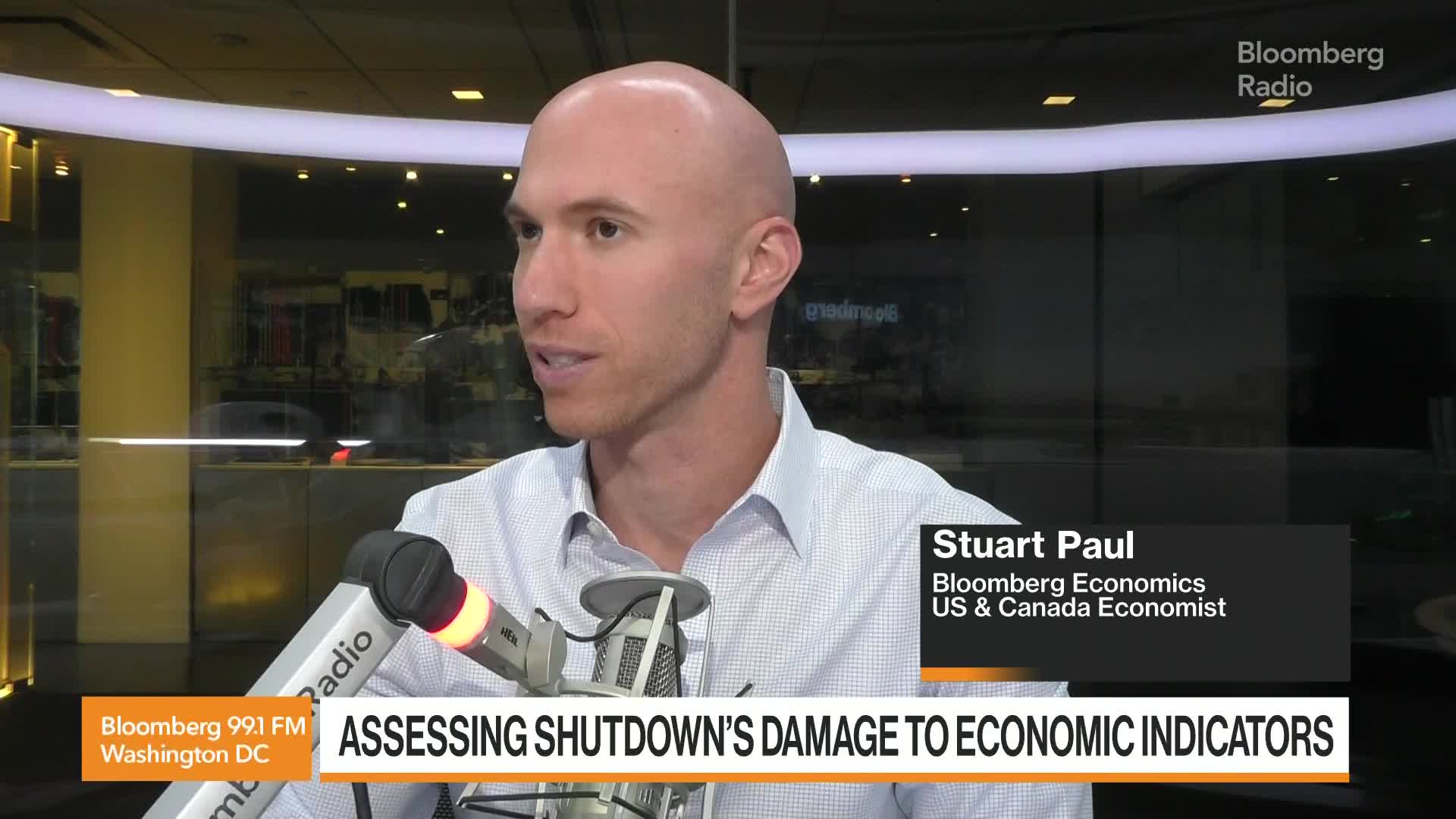
The upcoming October jobs report will be released without an unemployment rate reading, as the household survey was not conducted for the month, according to National Economic Council Director Kevin Hassett. This temporary omission means the report will only provide data from the establishment survey, potentially limiting a comprehensive assessment of labor market health for investors.
The upcoming October jobs report will notably omit the unemployment rate, as confirmed by National Economic Council Director Kevin Hassett. This significant data gap stems from the non-conductance of the household survey for the month. Consequently, investors will only receive data from the establishment survey, representing "half the employment report."
This temporary omission, though stated to be for "just one month," severely limits the comprehensive assessment of the U.S. labor market's health. The household survey provides crucial insights into labor force participation and the actual number of unemployed individuals, which the establishment survey alone cannot fully capture. The absence of this key metric introduces uncertainty regarding the true state of employment trends.
The overall sentiment surrounding this news is mildly negative, with a sentiment score of -0.15, reflecting concerns over data completeness. While the market impact score is a low 0.3, indicating a minor direct market reaction, the lack of a critical economic indicator can hinder informed decision-making for institutional investors reliant on robust labor market data.
AI-powered research, real-time alerts, and portfolio analytics for institutional investors.
Request DemoOverall Sentiment
mildly negative
Sentiment Score
-0.15
