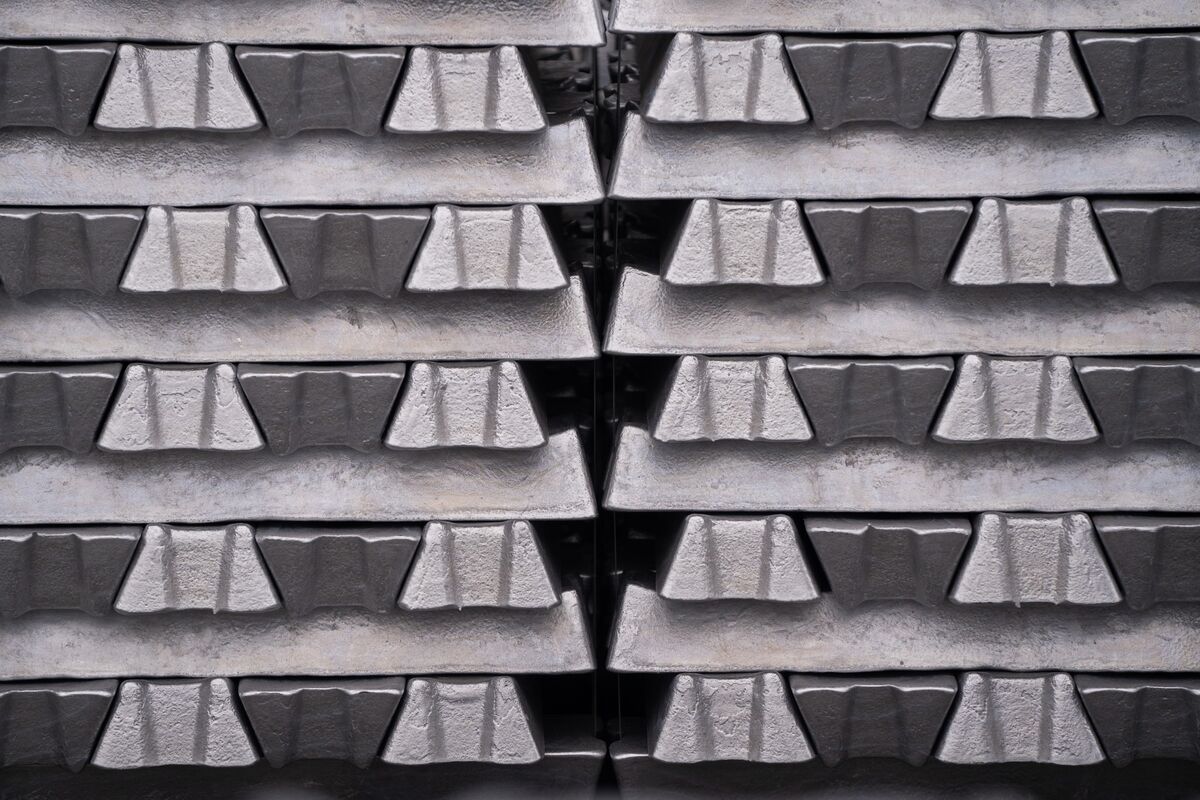
Squarepoint, a prominent quantitative investment firm, is expanding its operations into physical metals trading, employing traditional commodity logistics such as shipping aluminum and warehousing cobalt. This strategy integrates the firm's data-driven expertise with analog physical arbitrage to capitalize on price differentials, positioning it to compete with established players like Glencore and Trafigura, and representing a notable convergence of quant strategies with asset-heavy physical markets.
Squarepoint, a prominent quantitative investment firm, is strategically expanding into physical metals trading, a domain traditionally dominated by giants like Glencore and Trafigura. This initiative merges the firm's data-driven analytical capabilities with asset-heavy, "analog" operations such as shipping a $100 million cargo of aluminum from Malaysia to Italy and warehousing cobalt to capitalize on anticipated price increases. The core strategy is to exploit geographical and temporal arbitrage in the physical commodity markets. This move represents a significant convergence of sophisticated quantitative finance and old-fashioned physical trading, indicating that advanced data analysis is being deployed to find and execute profitable trades in the tangible world of natural resources, potentially disrupting established market structures.
AI-powered research, real-time alerts, and portfolio analytics for institutional investors.
Request DemoOverall Sentiment
strongly positive
Sentiment Score
0.60
