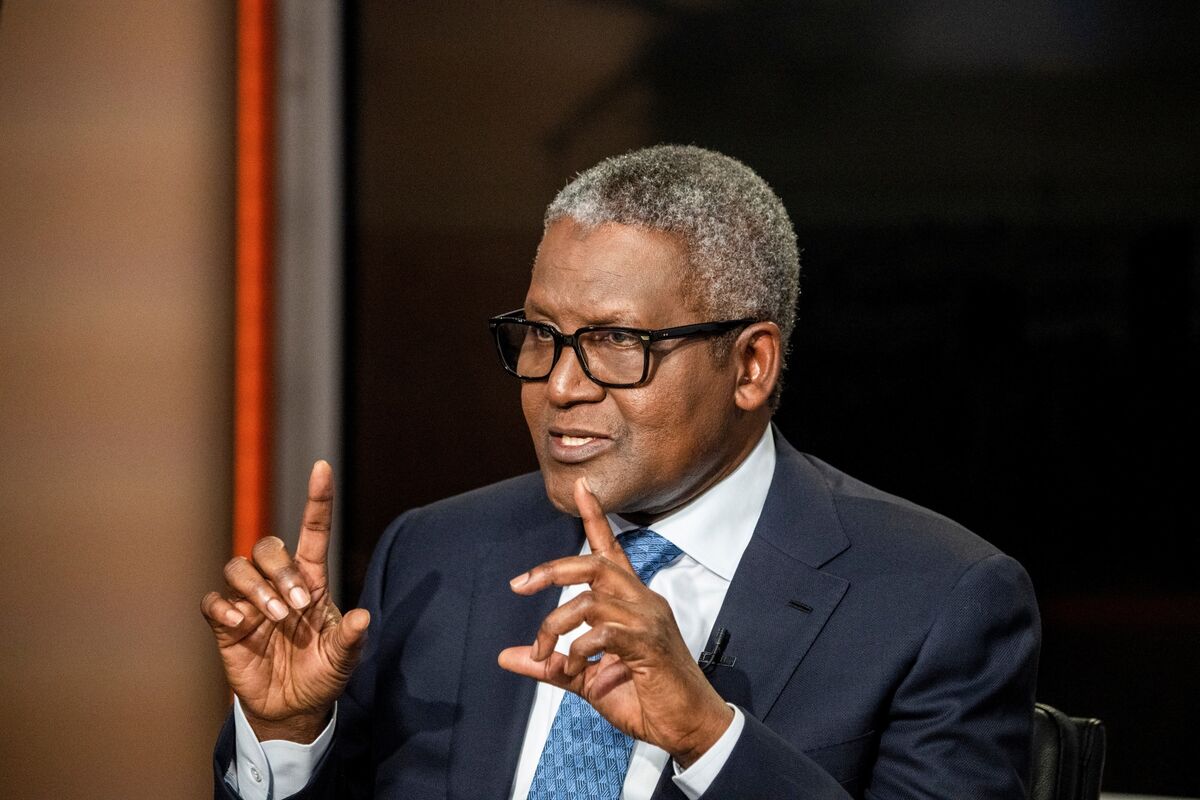
Nigeria's government is scheduled to meet today with the Petroleum and Natural Gas Senior Staff Association of Nigeria (PENGASSAN) to avert a potential crude oil production shutdown. The labor group's threat is linked to an ongoing dispute with Aliko Dangote, Africa's richest person, signaling a significant risk to the nation's oil output and potential market disruption.
The Nigerian government is actively intervening to mitigate a significant threat to its oil sector by holding talks with the Petroleum and Natural Gas Senior Staff Association of Nigeria (PENGASSAN). The core issue is a dispute involving the union and Aliko Dangote, which has escalated to a threat of a complete crude production shutdown. This situation carries a high market impact score of 0.7 and a moderately negative sentiment, reflecting the substantial risk of a supply disruption from a key OPEC member. The government's immediate scheduling of a meeting underscores the severity of the threat to its national revenue. The event highlights the persistent operational and geopolitical risks inherent in Nigeria's energy market, where labor disputes can rapidly translate into macroeconomic and global commodity market instability.
AI-powered research, real-time alerts, and portfolio analytics for institutional investors.
Request DemoOverall Sentiment
moderately negative
Sentiment Score
-0.50
