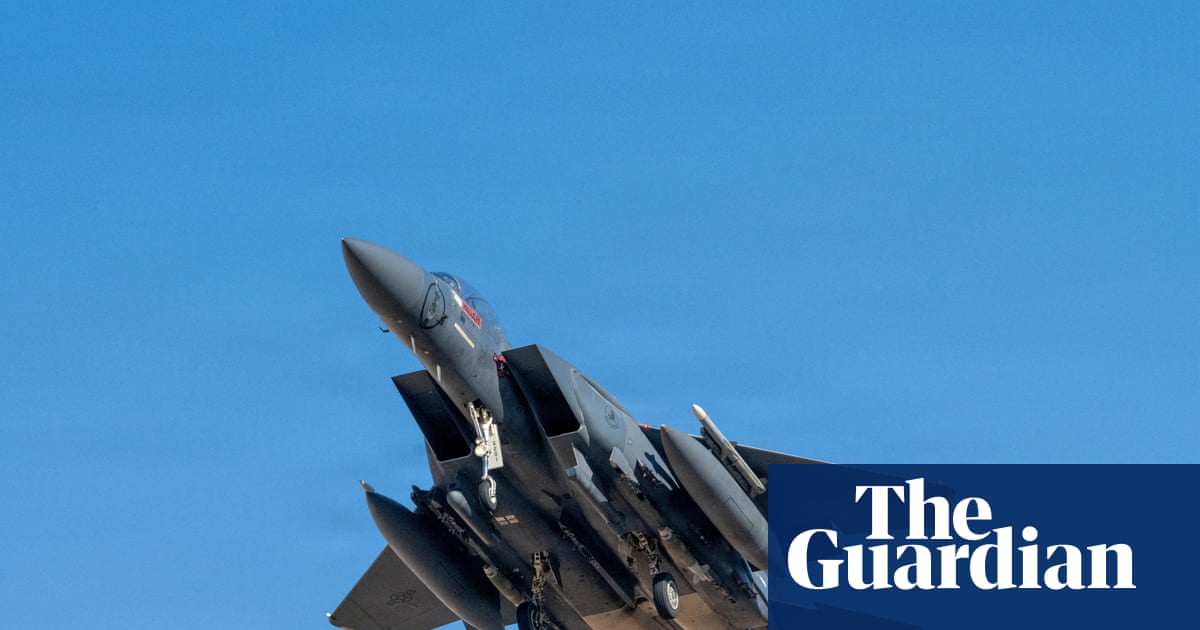
Two US military jets (an F-15E Strike Eagle and an A-10 Warthog) were shot down by Iranian forces in early April and three crew members have been rescued; the F-15’s weapons officer was recovered after a complex search-and-rescue operation. Iran claims two C-130 transport planes and two Black Hawk helicopters were destroyed during a foiled US rescue attempt, while US reporting describes close-range engagements, MQ-9 support and a CIA diversion — signaling a significant escalation. This materially raises geopolitical risk, likely to trigger risk-off flows, upward pressure on defense sector assets and potential upward pressure on oil and regional risk premia.
This episode materially raises the probability that Western policymakers treat regional air-denial capabilities as a persistent constraint rather than a temporary nuisance. Expect near-term risk premia in defense procurement, ISR/datalink purchases, and munitions stockpiles: funding decisions that historically move on timelines of months (supplementals) and crystallize into contracting + revenue for primes over 6–24 months.
Operationally, attrition of rotary- and transport-assets (and the political sensitivity around rescuing personnel) produces two second-order procurement pressures: (1) accelerated buys for stand-off ISR, EW and loitering munitions to reduce manned exposure, and (2) upgrades/replacements for tactical airlift and survival equipment — both categories have concentrated supplier bases where lead times and component chokepoints can expand margins.
Market reaction will bifurcate: defensives and specialized suppliers should re-rate on visible backlog growth, while sectors exposed to travel, shipping and EM FX face transitory outflows and higher insurance costs. Key short-term catalysts to watch are (a) public supplemental budget numbers (days–weeks), (b) confirmed contract awards for ISR and air defense (1–6 months), and (c) any disruption to Gulf shipping/insurance corridors that would push oil and freight vol higher in days–weeks.
De-escalation remains the primary path to reverse this trade; a credible diplomatic backstop or rapid, contained retaliation that avoids broader supply-chain hits would compress risk premia quickly — but procurement and training cycles already set in motion will persist on a multi-quarter cadence even if tensions cool.
AI-powered research, real-time alerts, and portfolio analytics for institutional investors.
Request DemoOverall Sentiment
strongly negative
Sentiment Score
-0.85
Ticker Sentiment
