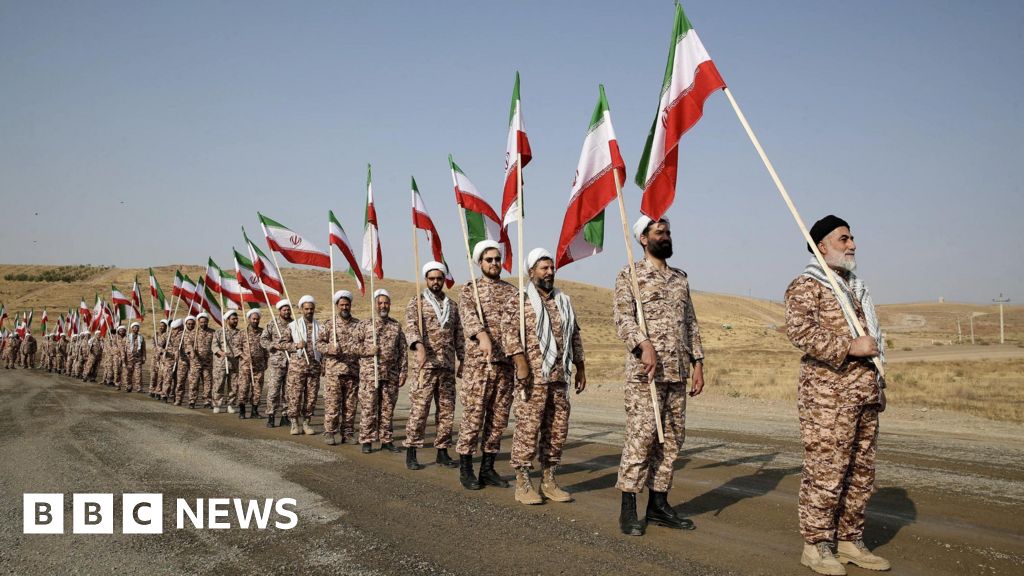
The European Union has added Iran's Islamic Revolutionary Guard Corps (IRGC) to its terrorist list, imposing travel bans and asset freezes and extending sanctions to six entities and 15 individuals including Iran's Interior Minister and Prosecutor General. The move aligns the EU with prior designations by the US, Canada and Australia, raises diplomatic tensions as Tehran threatens military retaliation, and elevates regional geopolitical risk—potentially widening risk premia for energy and defense exposures and complicating investor access to Iranian-linked assets.
Market Structure: EU blacklisting the IRGC is an escalation that favorably re-prices defense contractors (LMT, NOC, RTX) and energy producers (XOM, CVX) while penalizing EM assets (EEM), regional airlines and tanker/shipping equities. A severe disruption (Strait of Hormuz closure) would remove ~3% of global seaborne oil and could lift Brent 20–50% in days; a limited proxy escalation implies a 5–15% oil/gold move and higher realized vol across FX and credit.
Risk Assessment: Tail risks include direct US–Iran kinetic conflict, large-scale tanker attacks, or cyber strikes on Gulf infrastructure — low probability (<10% over 3 months) but high impact (20%+ commodity moves, credit spreads wider by 50–150bp for regional sovereigns). Immediate (days): spikes in oil, gold, USD and option vol; short-term (weeks–months): sanctions bleed into trade finance; long-term (quarters+) structural rerouting and defense capex increases. Hidden dependencies: marine insurance repricing, correspondent banking de-risking and EU energy diplomacy shifts.
Trade Implications: Prefer convex option exposure and small directional positions: tactical oil calls (short-dated call spreads) and long-dated defense names for delayed order flows; hedge EM beta with puts. Use explicit triggers (Brent > $95, confirmed Strait incident, or credible proxy strike on NATO interests) to scale sizing and switch from hedges to directional longs.
Contrarian Angles: Markets often overshoot on headline geopolitics — 2019–2020 tanker/iran incidents saw transient oil spikes that faded in 2–8 weeks. Expect mean reversion if no physical disruption; therefore favor option structures that cap cost and sell into initial rallies rather than large outright equities positions that are path-dependent.
AI-powered research, real-time alerts, and portfolio analytics for institutional investors.
Request DemoOverall Sentiment
moderately negative
Sentiment Score
-0.50
