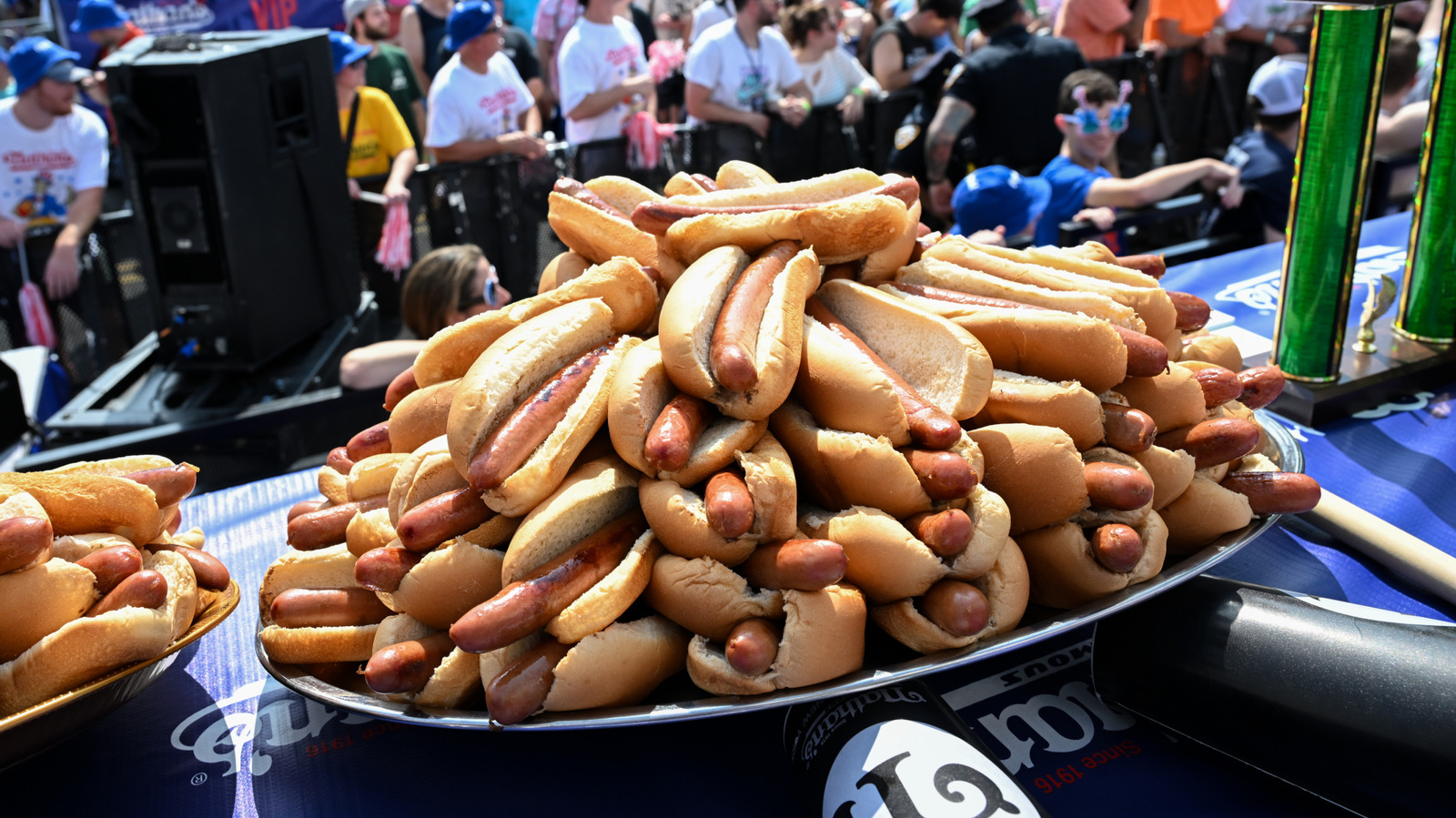
Smithfield Foods (a subsidiary of WH Group) agreed to acquire Nathan's Famous in an all-cash deal valued at $450 million, or $102 per share, with the transaction expected to close in the first half of 2026. The purchase consolidates production and branding (Smithfield/WH Group already manufactured Nathan's hot dogs and held licensing rights since 2014), preserves the company's marquee marketing event in Coney Island, and likely yields operational synergies while delivering an immediate cash premium to Nathan's shareholders.
Market structure: Smithfield/WH Group (owner) is the clear winner — owning Nathan’s removes a licensing slug and gives direct margin capture on a recognizable national brand, implying potential incremental EBITDA synergies of roughly $15–30M (3–6% of deal value) realized over 12–24 months. Retail partners (WMT/Sam’s Club) gain SKU stability; small regional hot‑dog/processed‑meat brands are the losers as shelf and marketing tilt toward an integrated supplier. Commodity price impact is negligible (<0.5% on hog/pork benchmarks) but credit markets should modestly reprice WH Group net cash by ~$450M outflow.
Risk assessment: Principal tail risks are regulatory/political (CFIUS or state scrutiny of Chinese-owned food assets), integration/brand dilution, and a material adverse move in hog/pork prices or ASF outbreaks. Immediate (days) risk is market reaction in WH Group shares; short term (weeks–months) is earnings and cash‑flow hit from the purchase; long term (1–3 years) is margin accretion or failure to realize synergies. Hidden dependency: Nathan’s event/IP revenues (contest, merchandising) are non‑recurring drivers that could be cut, reducing expected upside.
Trade implications: Direct public play is on WH Group (288.HK / OTCPK:WHGLY) — small, opportunistic exposure to capture consolidation premium; NATH equity is effectively closed at $102 and not a tradable growth play. Use a pair trade (long WHGLY, short a US packer like TSN) to isolate brand/control upside vs commodity exposure; prefer capped-cost option structures (9–12 month call spreads on WHGLY or 6–9 month put spreads on TSN) to limit downside. Rotate modestly into packaged‑meat and grocery staples and reduce exposure to casual dining.
Contrarian angle: Consensus understates regulatory vulnerability — a forced divestiture or prolonged review could drive WHGLY down 15–25% and would be underpriced by many. Conversely, the market may underprice steady 100–200bp gross‑margin improvement from vertical integration; historical parallels (brand‑reacquisitions by manufacturers) show 12–24 month payoff. Do not lever; use size limits and binary hedges around key catalysts (CFIUS windows, WH Group quarterly results, close H1 2026).
AI-powered research, real-time alerts, and portfolio analytics for institutional investors.
Request DemoOverall Sentiment
mildly positive
Sentiment Score
0.30
Ticker Sentiment
