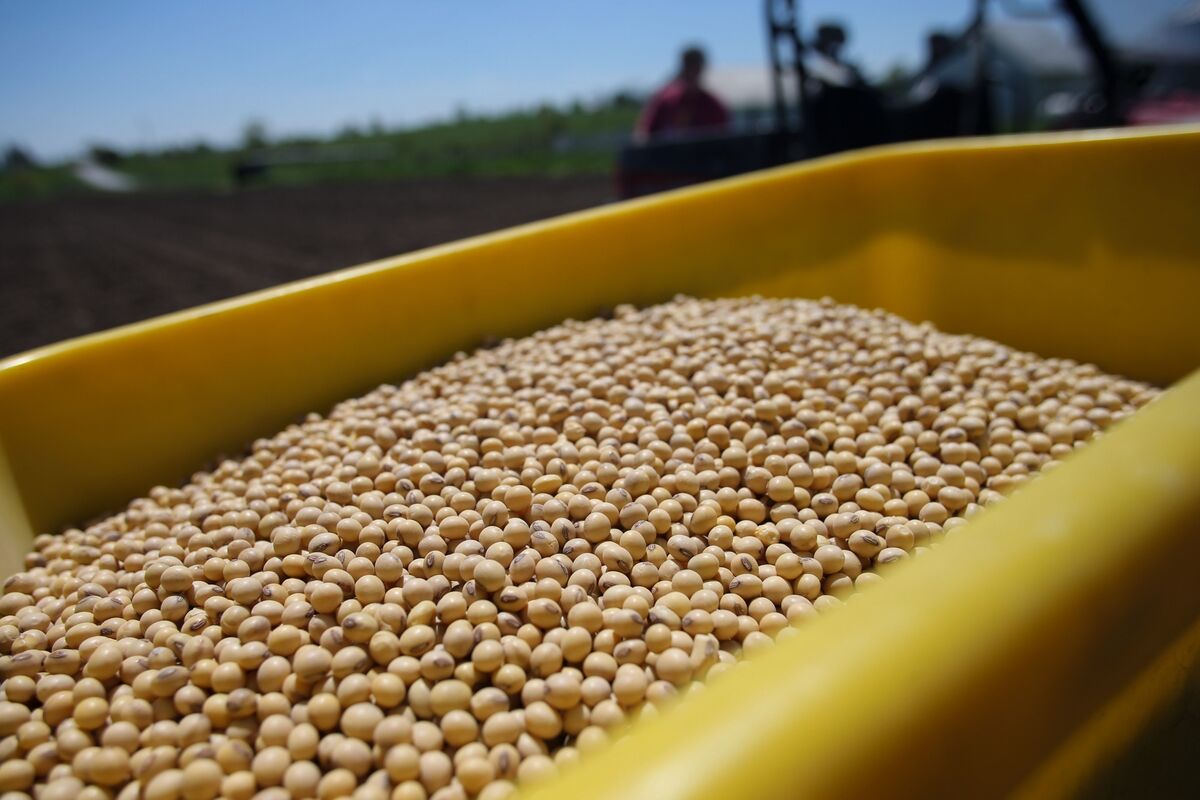
China, the world's largest soybean importer, has reportedly made no purchases of US soybean cargo for the upcoming export season, despite the US historically being its second-biggest supplier. This absence of orders, just before the US export season commences, underscores the persistent impact of US-China trade hostilities on agricultural markets, placing significant financial pressure on American farmers and potentially signaling a shift in global soybean trade dynamics.
A significant disruption is unfolding in the global soybean market as China, the world's leading importer, has reportedly abstained from purchasing any US soybean cargoes for the upcoming export season. This halt in buying activity is particularly alarming given the US is historically China's second-largest supplier and the export season is imminent. The impasse is a direct consequence of ongoing trade hostilities between the US and China, creating a state of commercial paralysis confirmed by US government data. The immediate effect is a dire financial outlook for American farmers, who are described as facing a 'financial precipice,' highlighting the direct economic impact of geopolitical tensions on the agricultural sector.
AI-powered research, real-time alerts, and portfolio analytics for institutional investors.
Request DemoOverall Sentiment
strongly negative
Sentiment Score
-0.70
