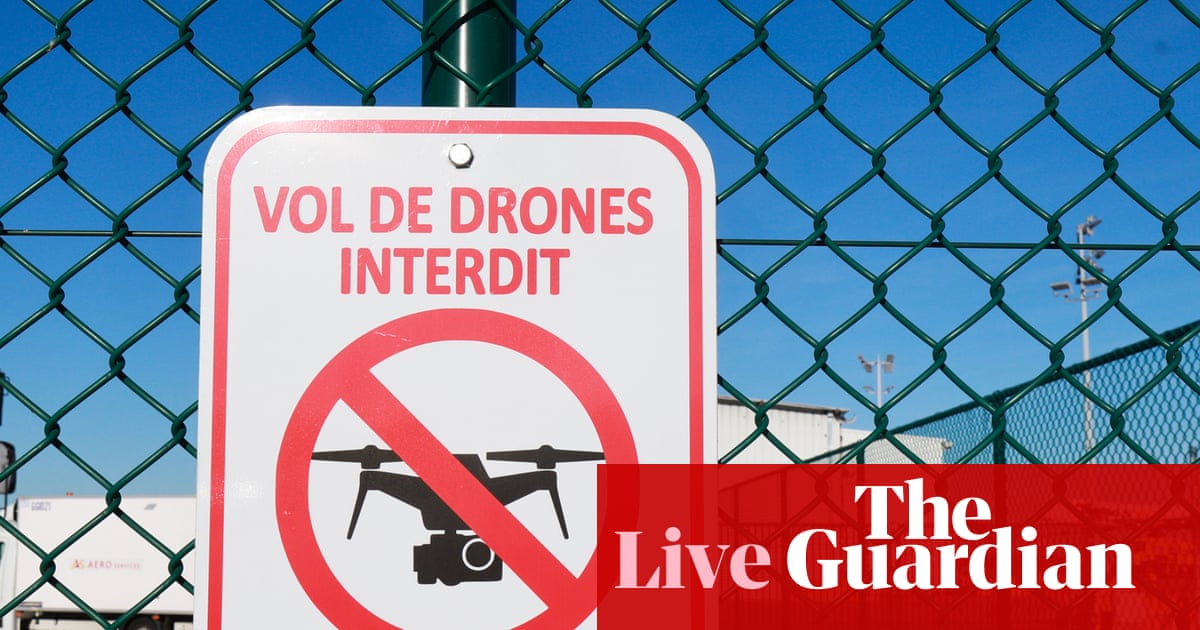
German Defense Minister Boris Pistorius suggested that recent drone sightings disrupting Belgian airports are linked to the contentious debate over Belgium's €183 billion in frozen Russian assets, which are crucial for a proposed €140 billion EU loan to Ukraine, with Belgium seeking guarantees against potential liabilities. Concurrently, the European Commission is considering delaying aspects of its landmark AI Act due to industry and political pressure, while China is poised to lift its ban on chip exports to European carmakers following a US deal, signaling an easing of critical supply chain constraints.
German Defense Minister Pistorius has linked repeated drone sightings over Belgian airports to the contentious debate surrounding the €183 billion in frozen Russian assets held by Belgium. These assets are critical for the EU's proposed €140 billion reparation loan to Ukraine, with Belgium seeking guarantees from other EU members against potential liabilities. This situation highlights escalating geopolitical tensions and direct financial exposure for Belgium, as Brussels Airlines anticipates significant economic impact from the disruptions.
The European Commission is considering delaying key aspects of its landmark AI Act, including a one-year grace period for high-risk AI systems and postponing fines for transparency rule violations until August 2027. This potential regulatory easing, influenced by business and political pressure, aims to provide companies sufficient time to adapt without disrupting the market, suggesting a more pragmatic approach to AI regulation.
Concurrently, China is poised to lift its ban on chip exports to European carmakers, a direct outcome of a recent US-China deal. This development, confirmed by the Netherlands and German auto suppliers, significantly alleviates critical supply chain constraints for the European automotive industry. The resolution of this trade friction is expected to enhance production stability and reduce input cost volatility for manufacturers.
AI-powered research, real-time alerts, and portfolio analytics for institutional investors.
Request DemoOverall Sentiment
moderately negative
Sentiment Score
-0.35
