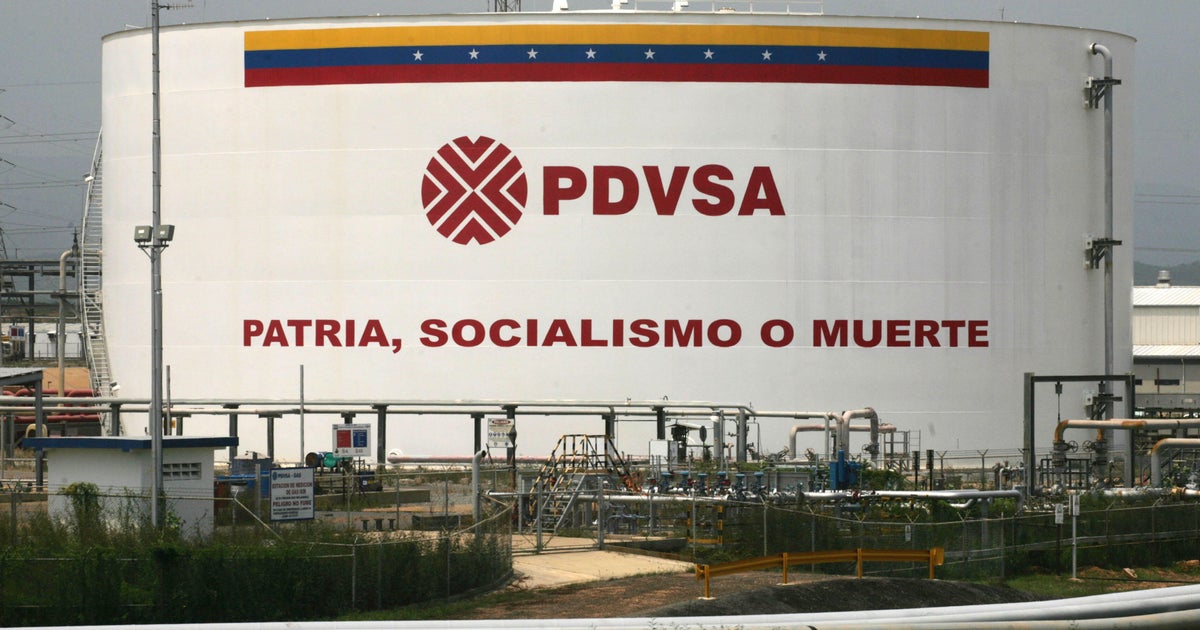
U.S. military action in Venezuela and the capture of Nicolás Maduro has refocused attention on Venezuela’s oil sector: current production is roughly 1 million barrels per day (down from over 3 million in the early 2000s) while proven reserves exceed 303 billion barrels, concentrated in the Orinoco Belt. Recovery to materially higher output would likely take a decade and over $100 billion of investment, PDVSA remains financially ruined, and Chevron is the only U.S. firm with significant operations (≈25% of current output) under a special license; U.S. sanctions and asset freezes have constrained exports to mostly China. Markets have so far seen only modest price moves (WTI ≈ $57.32/bbl on Friday) given ample global supply, higher U.S. production and a bolstered SPR, though prolonged disruption or loss of Venezuelan diesel-grade barrels could tighten specific product markets and inflation risks.
Market structure: Short-term winners are Chevron (CVX) and specialty service contractors that can operate under U.S. waivers; losers are PDVSA, Venezuela-linked sovereign creditors and onshore JV counterparties. Venezuela supplies ~1 mbpd today vs. 303 billion barrels reserves — meaningful only as a long-duration supply option; restoring to ~4 mbpd implies >$100bn capex and ~10+ years, so immediate oil-market share shifts are minor.
Risk assessment: Tail risks include protracted insurgency/sabotage that keeps barrels offline, reimposition of broad sanctions, or rapid political stabilization that floods markets; each has asymmetric effects on oil/diesel prices. Time horizons: days—contained price moves (oil already down to ~$57/bl); weeks–months—volatility on tanker/waiver headlines; years—structural supply upside if investors commit >$100bn and secure contract/legal clarity.
Trade implications: Favored trades are concentrated, optionality-rich exposure to CVX (existing footprint + waiver) and defensive holds in XOM; avoid naked long oil. Use 3–6 month call spreads on CVX to capture political reentry upside and 3-month WTI call spreads to hedge inflation risk from diesel dislocations; reduce EM/LATAM beta exposure and reallocate to integrated majors and service names when tender rounds are announced.
Contrarian view: Consensus underestimates refinery slates that need heavy sour crude and the diesel-concentration risk—short disruptions could spike diesel even if Brent remains rangebound. The market may be underpricing Chevron’s political optionality and long-cycle upside while overpricing immediate oil-supply shocks; litigation and legacy claims (e.g., Conoco cases) are real deterrents and a potential source of long-dated volatility.
AI-powered research, real-time alerts, and portfolio analytics for institutional investors.
Request DemoOverall Sentiment
neutral
Sentiment Score
-0.15
Ticker Sentiment
