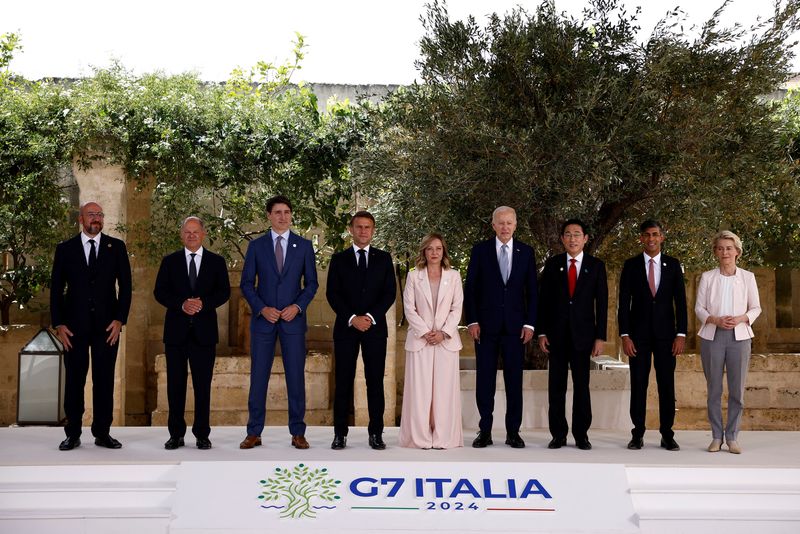
20% of global oil and LNG transits the Strait of Hormuz; the G7 issued a unified declaration condemning attacks attributed to Iran and its proxies and signaled readiness to take 'necessary measures' to stabilize energy markets. The communique raises the probability of expanded naval escorts and protective measures to secure shipping lanes, increasing the risk premium and volatility in oil and LNG markets. Monitor for potential price spikes and disruptions to Middle Eastern exports that could materially affect energy supply and trade flows.
The immediate market transmission is likely to be driven less by crude fundamentals and more by transport friction: sustained disruption to a single narrow transit lane historically adds ~7–14 extra voyage days for VLCCs/AFRAMAXes, which can translate into 150–300% spikes in spot freight and $0.5–$2.0/bbl of effective delivered-cost uplift for buyers along affected routes. That combination compresses refinery margins regionally (those unable to access alternative grades) while creating an outsized windfall for owners of longer-haul tanker capacity, owners of spare LNG shipping, and ports/pipelines that offer alternative routing — these are 1–3 month plays as freight rebalances.
Tail risk is a jump from asymmetric skirmishes to broader interdiction or heavy sanctions that permanently close conventional export channels; that scenario tightens seaborne supply in 1–3 months and supports oil/LNG basis for quarters. Off-ramps include a multinational escort program or coordinated insurance backstop that materially reduces war-risk premia within 2–6 weeks, which historically collapses the freight rally faster than crude volatility normalizes. Political catalysts to watch: announcements of convoy/escort rules, formal insurance pools, and SPR releases — each maps to a discrete market reaction window.
Consensus is leaning toward simple energy longs and defense names; the non-obvious asymmetric trade is exposure to freight/insurance convexity and logistics arbitrage. Freight derivatives, LNG charter optionality, and specialty infrastructure (port terminals, pipelines that skirt chokepoints) capture most of the upside with smaller capital and clearer stop rules than owning upstream commodity beta. Position sizing should treat these as volatility-timed trades rather than permanent convictions.
AI-powered research, real-time alerts, and portfolio analytics for institutional investors.
Request DemoOverall Sentiment
mildly negative
Sentiment Score
-0.25
