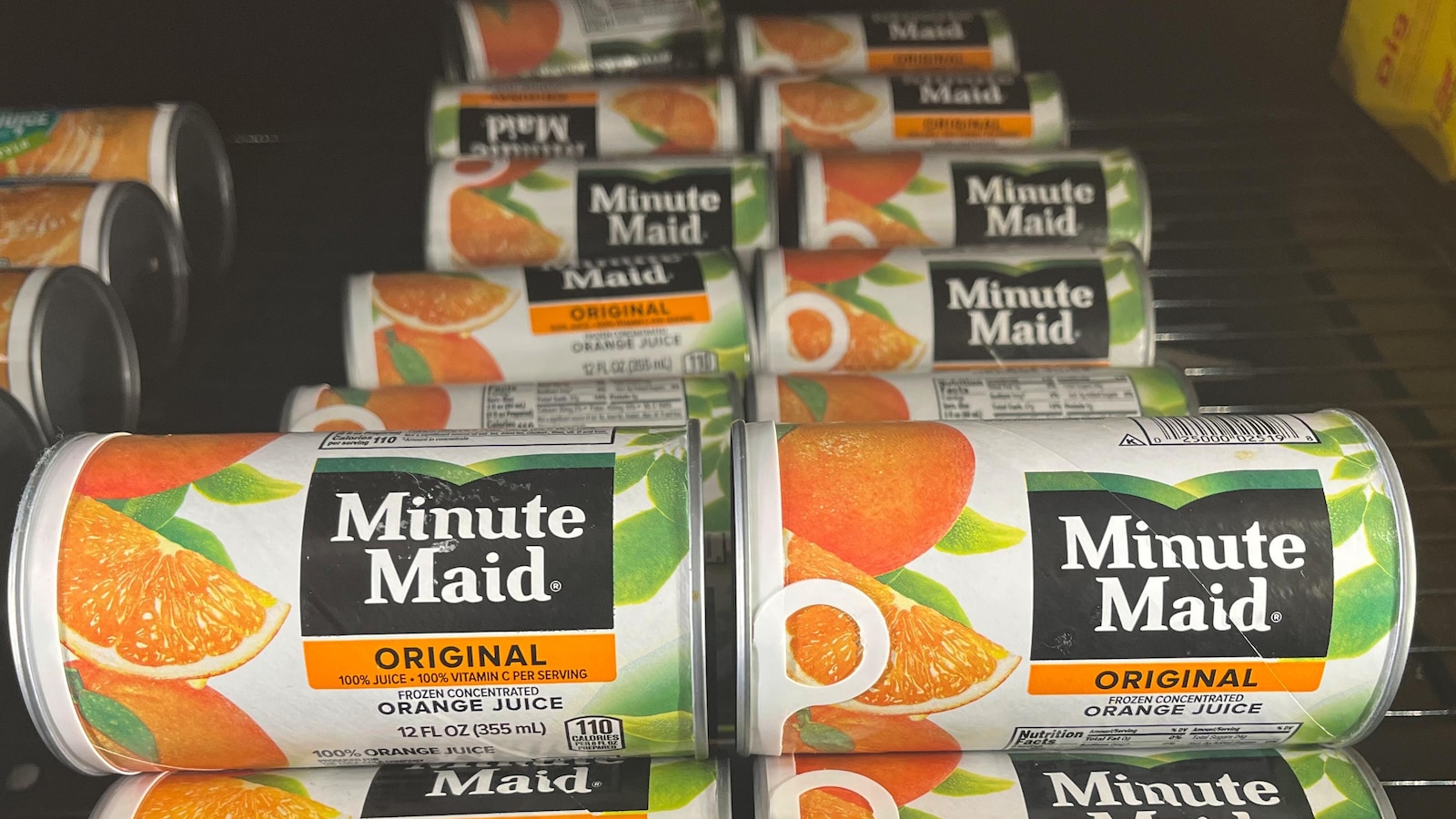
The Coca-Cola Co. will discontinue Minute Maid's frozen juice concentrates and exit the frozen can category in the U.S. and Canada, with products pulled by April and remaining inventory sold while supplies last, citing shifting consumer preference toward fresh juices. The move follows long-term declines in frozen beverage sales (down ~8% in the 52 weeks to Jan. 24 per NielsenIQ) and sharply higher input prices (a 12‑oz can averaged $4.82 in December, up 13% year-over-year), signaling a strategic reallocation of the Minute Maid portfolio toward refrigerated/zero-sugar offerings.
Market structure: Coca‑Cola’s exit from frozen canned concentrates is a low‑magnitude structural shift that benefits KO’s refrigerated/RTD juice and merchandising (potential 10–50 bps margin tailwind over 12–18 months) while further shrinking a frozen category down ~8% YoY. Competitors that still sell frozen (e.g., Tropicana/PEP) may pick up residual share but face a declining addressable market; canmakers and concentrate processors face modest demand loss and incremental inventory risk. Commodity pressure (Brazil/Florida weather) has driven FCOJ spot pricing and added volatility—higher input costs have likely already been priced into retail frozen SKU inflation (~+13% YoY on average retail price).
Risk assessment: Tail risks include a Brazil supply shock (severe frost/hurricane) that spikes FCOJ prices and compresses margins across the channel, and potential soda/juice sugar taxation/regulatory moves in key markets over 6–24 months. Near‑term (days–weeks) impact is minimal to KO stock; medium (3–12 months) is margin and SKU mix realization; long (12–36 months) depends on sustained consumer shift to RTD and premium beverages. Hidden dependencies include KO’s contracts with bottlers/processors and retail shelf allocation; quarterly retailer merchandising changes or a surprise crop report could be catalysts.
Trade implications: Tactical trades should separate equity exposure to KO’s brand/marketing upside from commodity exposure to FCOJ. Implement small core long KO (12–18 months) to capture SKU rationalization while hedging commodity with FCOJ put spreads; consider options for asymmetric exposure given low equity volatility but meaningful commodity tail risk. Sector rotation: overweight RTD/energy (MNST, KDP) and de‑weight frozen‑category suppliers and niche canned juice players.
Contrarian angles: Consensus treats this as immaterial to KO — that understates operational upside from SKU rationalization (working capital, cold‑chain savings) and merchandising reallocation; potential 50–200 bps of operating leverage if extended across categories. Conversely, the market may underprice a persistent demand decline in all juice formats — if fresh juice also reverts, KO’s fresh SKU growth could disappoint. Watch FCOJ futures, Brazil crop acreage reports, and KO’s next two earnings calls for quantification; these will be the true catalysts for re‑rating.
AI-powered research, real-time alerts, and portfolio analytics for institutional investors.
Request DemoOverall Sentiment
mildly negative
Sentiment Score
-0.10
Ticker Sentiment
