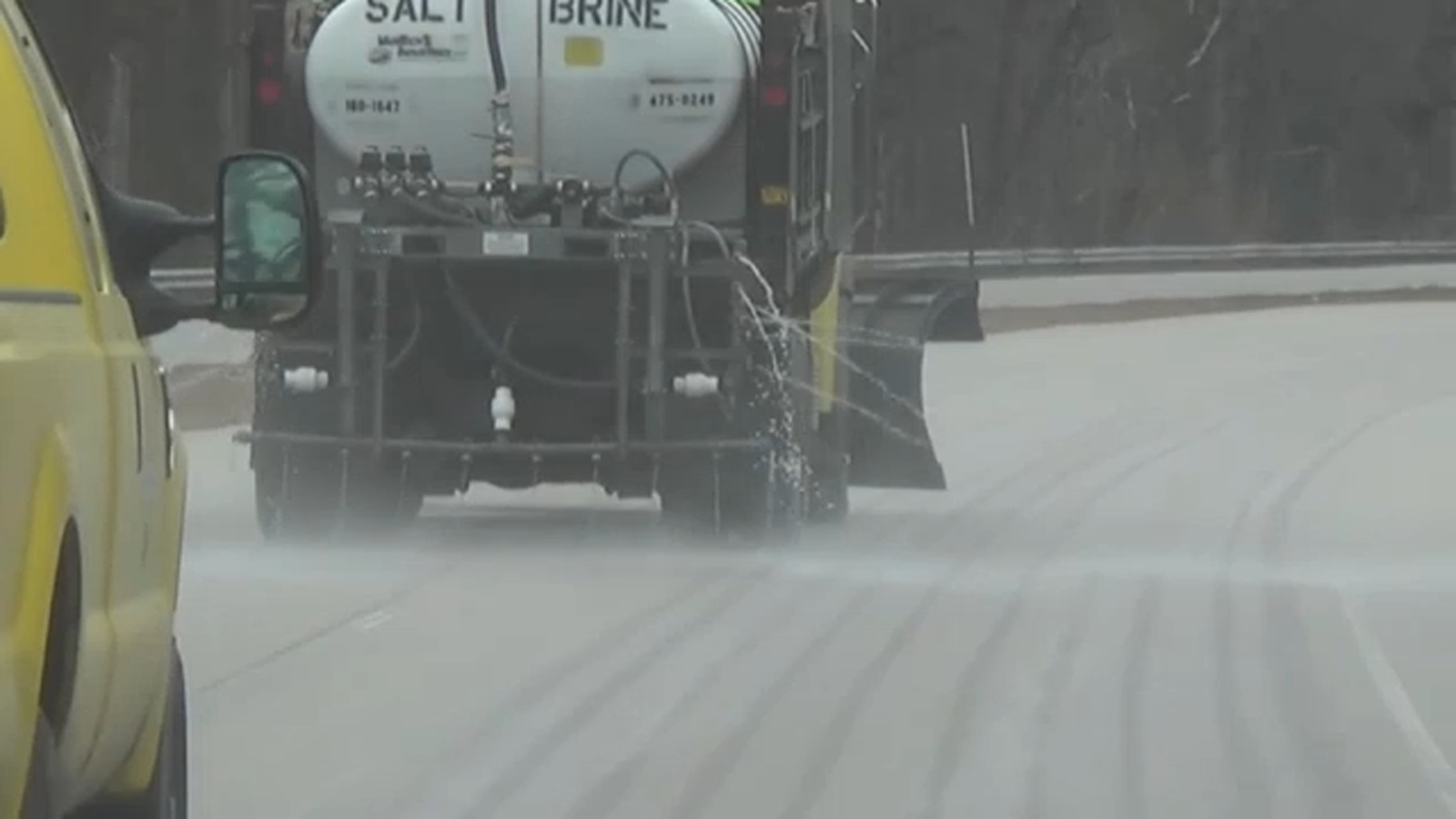
North Carolina Governor Josh Stein declared a state of emergency and scheduled a media briefing Thursday at 11:15 a.m. as a winter storm is expected to produce hazardous road conditions beginning Saturday and sustained subfreezing temperatures through next week; NCDOT crews have pre-treated roads, restocked salt and readied equipment. Attorney General Jeff Jackson activated the state's price-gouging law and urged consumers to report suspected excessive pricing for storm-related goods, signaling potential regulatory enforcement on retailers and service providers during the emergency.
Market structure: Winners are specialty winter-supply producers (road salt/chemical de-icers), home-improvement retailers, propane and regional natural-gas suppliers, and defensive utilities; losers are time-sensitive logistics (UPS, FDX), airlines, and small retailers constrained by price‑gouging rules. Expect a 1–4 week spike in spot demand for salt/propane and a modest uplift to utility load curves; pricing power is concentrated where inventories are tight (CMP-type producers), while retailers face margin squeeze if they cannot pass through higher procurement costs.
Risk assessment: Tail risks include prolonged outages (>72 hours) producing large claims/regulatory scrutiny of utilities (DUK, SO) and potential supply withdrawal by private sellers if enforcement is aggressive. Immediate effects (0–14 days) are inventory drawdowns and transit delays; short-term (weeks–months) could see restocking and margin normalization; long-term (quarters) the political/regulatory response could raise capex for resilience. Hidden dependencies: rail/port pauses or regionally correlated cold snaps amplify national logistics strain.
Trade implications: Execute short-dated, directional and volatility trades: buy short-dated natural-gas exposure and road-salt equities, use options to cap downside, and buy logistics volatility. Expect most alpha inside a 2–6 week window; avoid making large multimonth calls without seeing outage scale or extended cold forecast (>5 consecutive subfreezing days).
Contrarian angles: The market may over-react to a localized NC storm — spikes typically mean-revert in 4–8 weeks, so favor short-dated options and tight stops. Price‑gouging enforcement can create temporary supply tightness (supporting CMP) but also deters price increases at grocers (WMT/KR) — don’t assume retail margin tailwinds. If outages exceed 100k customers or insurance losses exceed ~$100M in-state, re-rate utility/regulatory risk upward.
AI-powered research, real-time alerts, and portfolio analytics for institutional investors.
Request DemoOverall Sentiment
neutral
Sentiment Score
-0.05
