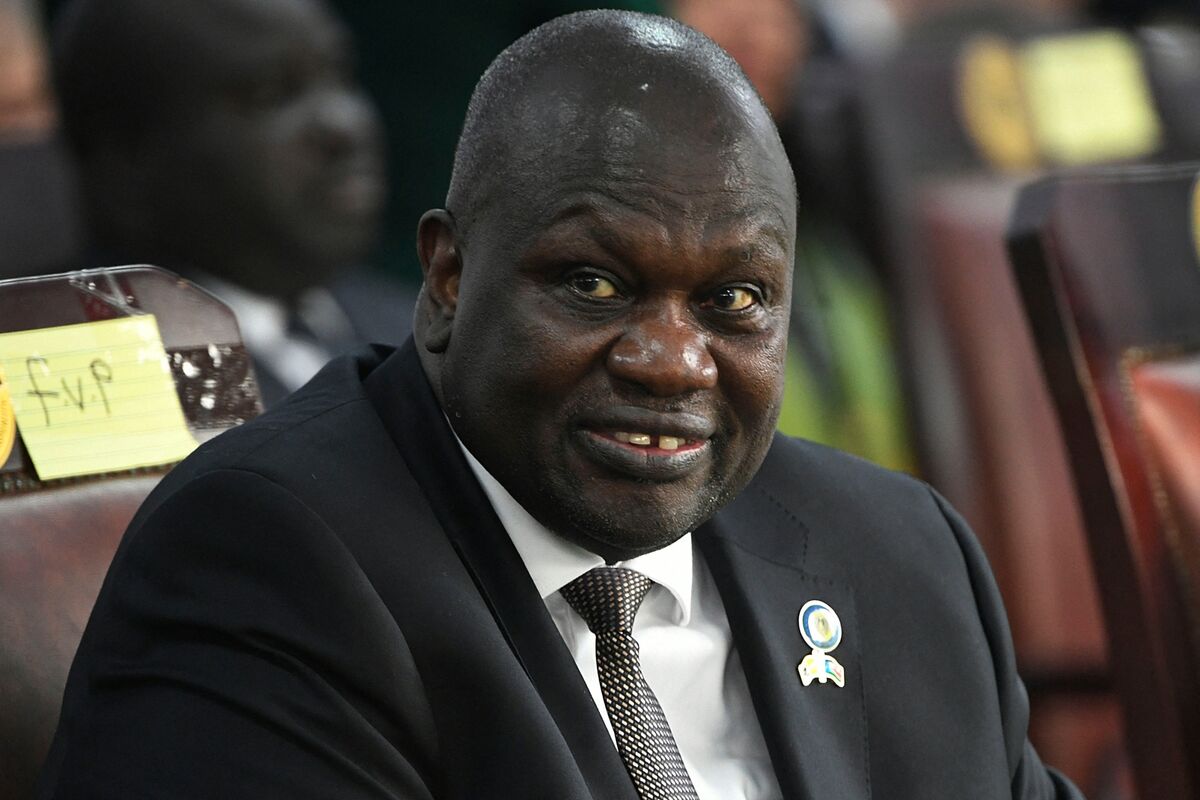
South Sudan's Justice Ministry has charged First Vice President Riek Machar and seven other senior government officials with terrorism, treason, and crimes against humanity. This action, announced by Justice Minister Joseph Geng Akech, signals a heightened commitment to accountability for atrocities, but also introduces significant political instability and risk for the region.
The government of South Sudan has charged First Vice President Riek Machar and seven other senior officials with treason, terrorism, and crimes against humanity, marking a severe escalation in the nation's internal political strife. While the Justice Ministry frames this as a move toward accountability for past atrocities, charging a figure as central to the country's fragile peace process as Machar introduces profound instability and significantly increases the risk of a return to civil conflict. The strongly negative sentiment score of -0.7 reflects the gravity of this development. Although the immediate global market impact is rated as low at 0.15, this event signals a critical breakdown in governance and elevates geopolitical risk for the entire region, potentially threatening South Sudan's oil production—the cornerstone of its economy—and deterring any form of foreign direct investment.
AI-powered research, real-time alerts, and portfolio analytics for institutional investors.
Request DemoOverall Sentiment
strongly negative
Sentiment Score
-0.70
