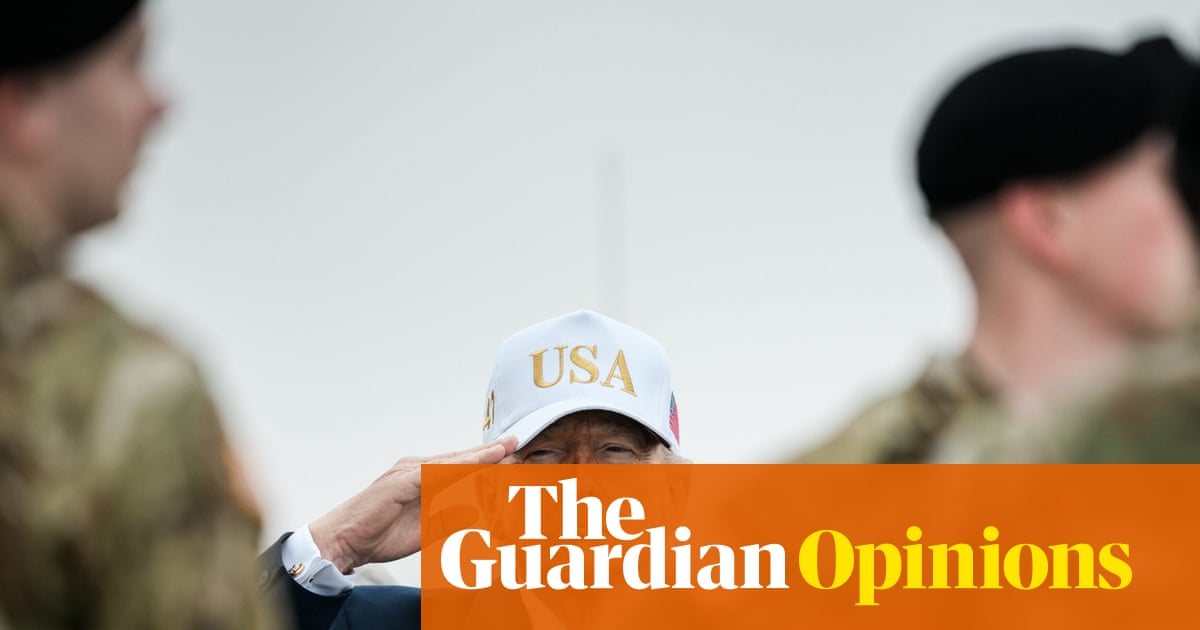
Iran fields roughly 610,000 active personnel and 350,000 reserves; the article warns Trump may order US ground attacks to force reopening of the Strait of Hormuz. Such a US ground invasion risk would exacerbate an existing energy shock, threaten Gulf trade routes (Hormuz/Red Sea), and create sizeable escalation and casualty risk. The piece argues diplomatic options are exhausted, increasing political risk to the president and raising market-wide geopolitical uncertainty that could drive oil volatility and risk-off flows.
The market is pricing in an elevated risk premium across energy, shipping and defence, but the structural transmission mechanisms matter more than headlines: a Gulf land incursion creates immediate spikes in tanker insurance and voyage times, which can lift seaborne oil delivered costs by 10-30% within weeks even without sustained production loss. That in turn favors shorter-cycle US production and oilfield service names that can ramp activity in 3–9 months, while creating a multi-month revenue windfall for energy logistics players who own VLCCs and Suez/Red Sea alternatives.
Second-order balance-sheet effects will emerge in EM funding and commodity-linked sovereigns — a protracted shock to Gulf exports raises default risk for highly indebted importers in 6–18 months, compressing carry trades and amplifying USD strength; expect EM local rates to reprice and credit spreads to widen, feeding into US financials’ trading and securitization desks. Policy responses (SPR releases, OPEC+ counter-moves) are the highest-probability reversal levers: coordinated releases can shave 20–30% off peak oil impulses over 30–90 days, while discreet diplomacy could deflate risk premia faster than military timelines.
Tail scenarios hinge on mission creep and asymmetric retaliation: a limited successful raid that secures navigation won’t be the base case — probability-weighted modeling should embed a 15–25% chance of escalation to broader Gulf interdiction within 3–6 months, which would materially change the payoff on long energy and defense exposures. Conversely, consensus is underestimating operational frictions and political limits on occupation costs; that creates tactical opportunities to buy protection (puts) into headlines and sell premium once initial shocks abate.
AI-powered research, real-time alerts, and portfolio analytics for institutional investors.
Request DemoOverall Sentiment
strongly negative
Sentiment Score
-0.85
