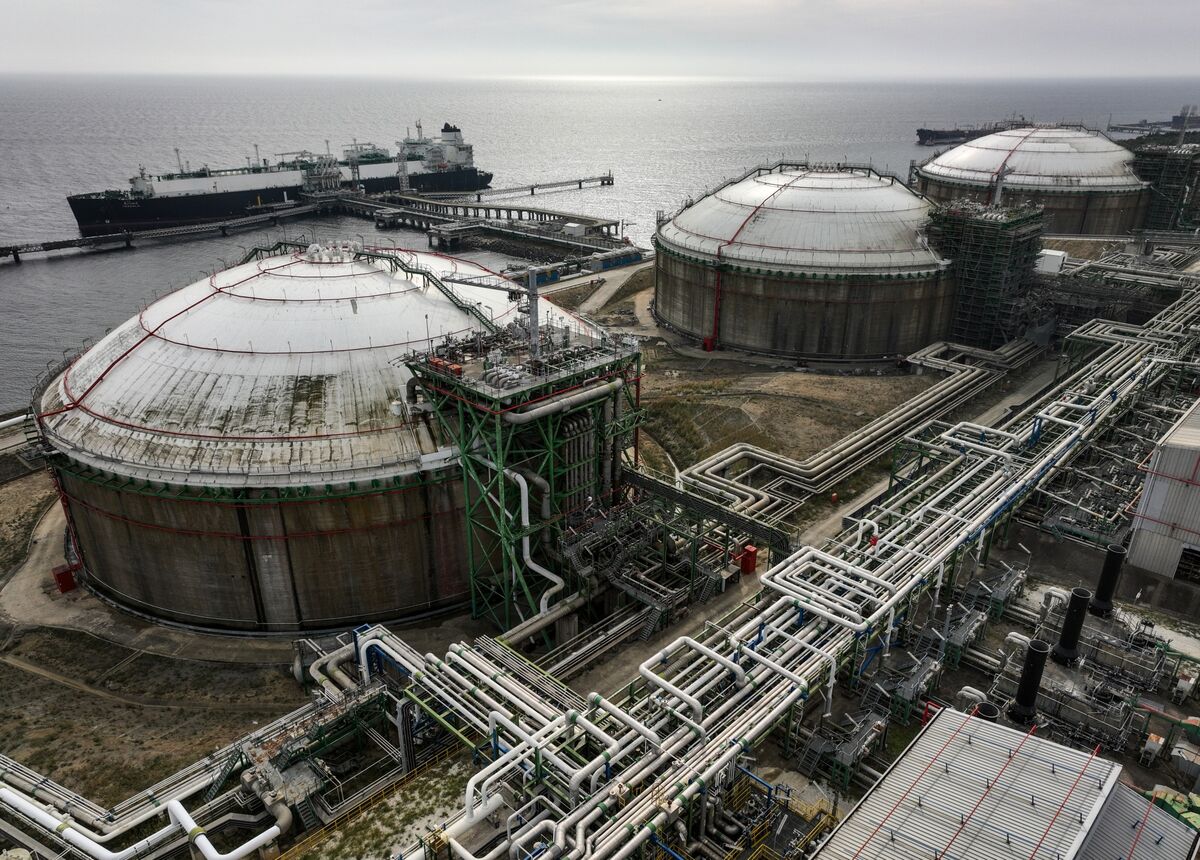
Turkey's state-run gas company Botas recently secured eight new liquefied natural gas (LNG) contracts at the Gastech conference in Milan, gaining access to approximately 6 billion cubic meters of additional LNG annually. This strategic move, representing almost half of Turkey's 2024 fuel imports, is designed to diversify its energy supply, reduce reliance on traditional suppliers like Russia and Iran, and mitigate geopolitical risks.
Turkey has executed a significant strategic pivot in its energy procurement policy by securing eight new liquefied natural gas (LNG) agreements through its state-run company, Botas. These contracts, signed at the Gastech conference in Milan, will provide access to an additional 6 billion cubic meters of LNG annually, a material volume representing nearly half of the country's anticipated fuel imports for 2024. This move is fundamentally a defensive, geopolitical strategy aimed at mitigating energy security risks by reducing its critical dependence on pipeline gas from longstanding suppliers Russia and Iran. By diversifying its supply portfolio with flexible LNG cargoes from global energy majors, Turkey not only enhances its resilience to potential supply disruptions but also strengthens its position as a foreign energy trader, signaling a structural shift in regional energy dynamics. This increased demand from a major consumer will introduce new competition into the global LNG market, potentially impacting trade flows and pricing, particularly in the already tight European gas market.
AI-powered research, real-time alerts, and portfolio analytics for institutional investors.
Request DemoOverall Sentiment
strongly positive
Sentiment Score
0.70
