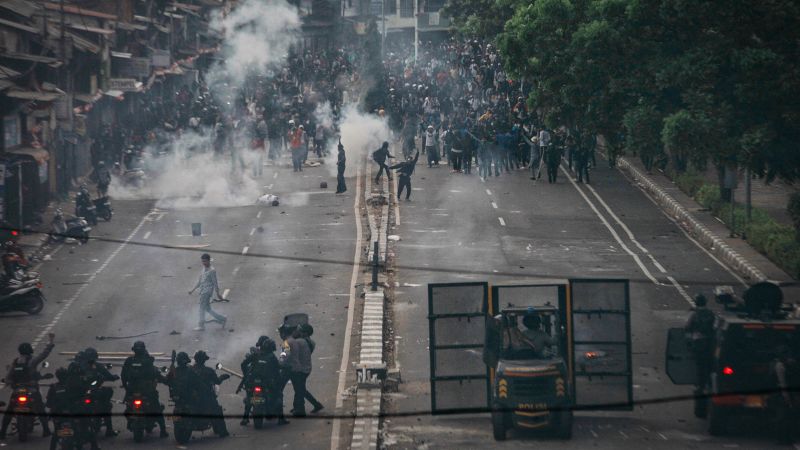
Indonesia recently experienced its most significant wave of violent protests in years, fueled by public discontent over lawmaker housing perks, stagnant wages, and rising living costs under President Prabowo Subianto's administration. While the government has offered concessions on benefits and ordered a stern crackdown on rioters, deep-seated economic and political frustrations persist, posing a substantial challenge to Prabowo's leadership and signaling potential for continued instability.
Indonesia is currently facing a significant escalation in political and country risk, marked by the most severe violent protests in years. The unrest, while immediately triggered by a controversial proposed housing allowance for lawmakers amounting to over ten times the national average minimum wage, is symptomatic of deeper, widespread economic frustration under President Prabowo Subianto's administration. Core grievances include stagnant wages, rising living costs, and unpopular fiscal policies, such as reallocating budgets from road maintenance to a free lunch program and a now-withdrawn proposal for a 250% property tax hike. The government's response has been twofold: a minor concession on lawmaker benefits coupled with a stern security crackdown, including deploying the military and labeling rioters with terms like 'terrorism' and 'treason'. This dual approach risks exacerbating public anger rather than resolving the underlying issues, as highlighted by human rights groups. The situation has already resulted in at least five deaths, significant property damage, and the President's cancellation of a diplomatic trip, signaling a highly volatile environment that poses a material threat to near-term economic stability and investor confidence.
AI-powered research, real-time alerts, and portfolio analytics for institutional investors.
Overall Sentiment
strongly negative
Sentiment Score
-0.75
