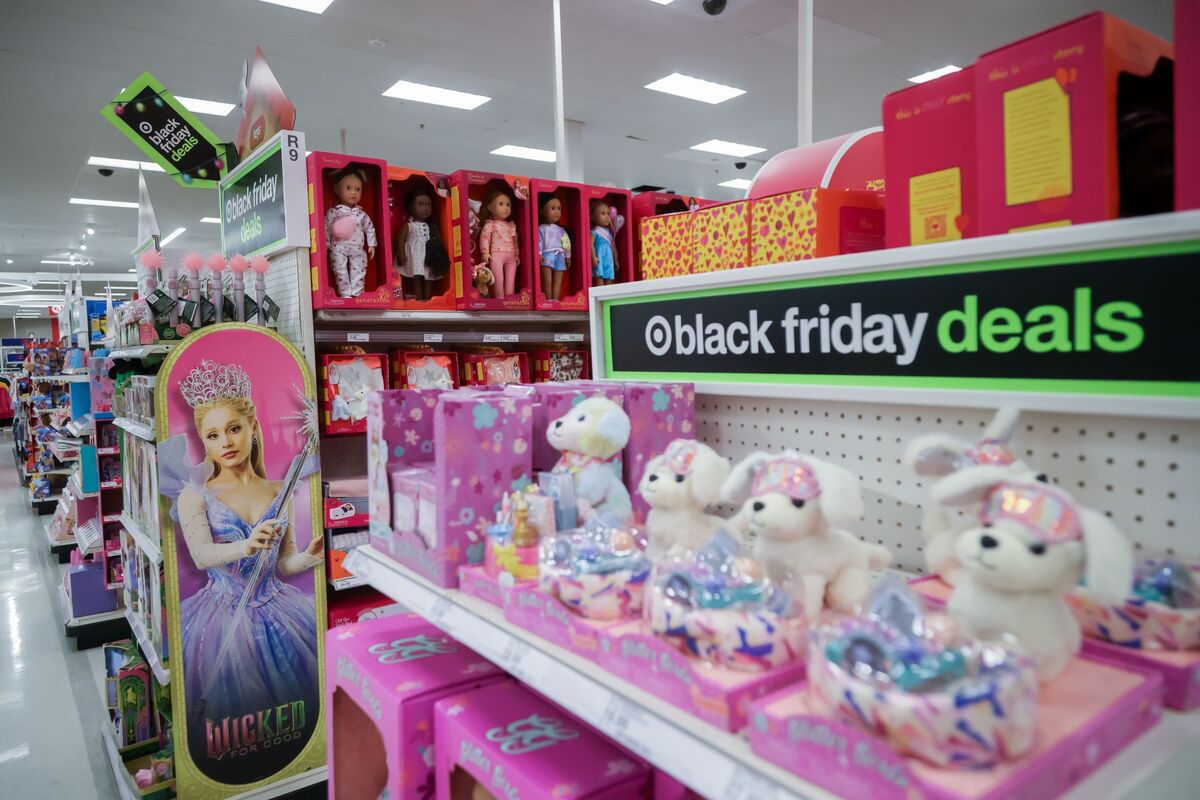
Tariff-driven disruptions are constricting U.S. toy inventories ahead of the holiday season, with Michigan State supply-chain professor Jason Miller warning of a "far thinner" toy selection as imports classified under a key HS code are "performing very poorly in 2025." Because most toys remain China-made, weaker imports raise the risk that retailers will face stocking shortages, potentially pressuring holiday sales, promotional cadence and retail margins for companies dependent on timely toy shipments.
Market structure: Tariff-driven cuts to toy imports will redistribute margin and shelf space toward large, omnichannel retailers and domestic or nearshored manufacturers that can absorb or pass on price increases. Expect winners: Walmart (WMT), Target (TGT), and US-based contract manufacturers; losers: small, import-dependent apparel/toy retailers (e.g., PLCE, FIVE) and container carriers exposed to US-China volumes. Supply-demand will tighten for popular SKUs into Q4 2025, causing SKU-level scarcity and higher retail prices (5–15% for constrained items plausible), while aggregate toy spend may fall if consumers trade down.
Risk assessment: Tail risks include escalation to broader tariffs or Chinese retaliation (high-impact, <20% probability) and sudden shipping-route re-optimization that floods US ports (operational tail). Immediate (days) risk: volatile retail guidance and inventory ETF moves; short-term (weeks–months): order cancellations/expedited freight costs; long-term (quarters/years): reshoring capex and contract repricing. Hidden dependency: retailers’ ability to reprice without demand destruction—if pass-through rate <50%, manufacturer margin squeeze will force bankruptcies in smaller chains.
Trade implications: Favor large-cap retailers with scale and inventory control (long WMT/TGT) and selective long positions in branded toy makers with pricing power (HAS, MAT) via call spreads into Jan 2026. Short container shipping names (e.g., ZIM) or railroad exposure (KSU/CSX) for 3–6 months on volume declines; pair long WMT short PLCE to capture relative resilience. Use options to define risk: buy 4–6 month puts on small-cap importers and buy Jan 2026 call spreads on HAS (debit, capped risk).
Contrarian angles: Consensus assumes persistent scarcity; it may be overdone if retailers pre-buy in H2 2025 or if re-routing through SEA intermediaries restores assortments by Nov–Dec. Historical parallel: 2018–19 tariffs produced temporary price spikes but limited long-term market share shifts; mispricing exists in small-caps priced for permanent demand collapse. Unintended consequence: higher clearance activity in Jan–Feb 2026 could create a short-term buying opportunity in select brands, so stagger exit plans around post-holiday inventory data.
AI-powered research, real-time alerts, and portfolio analytics for institutional investors.
Request DemoOverall Sentiment
moderately negative
Sentiment Score
-0.40
