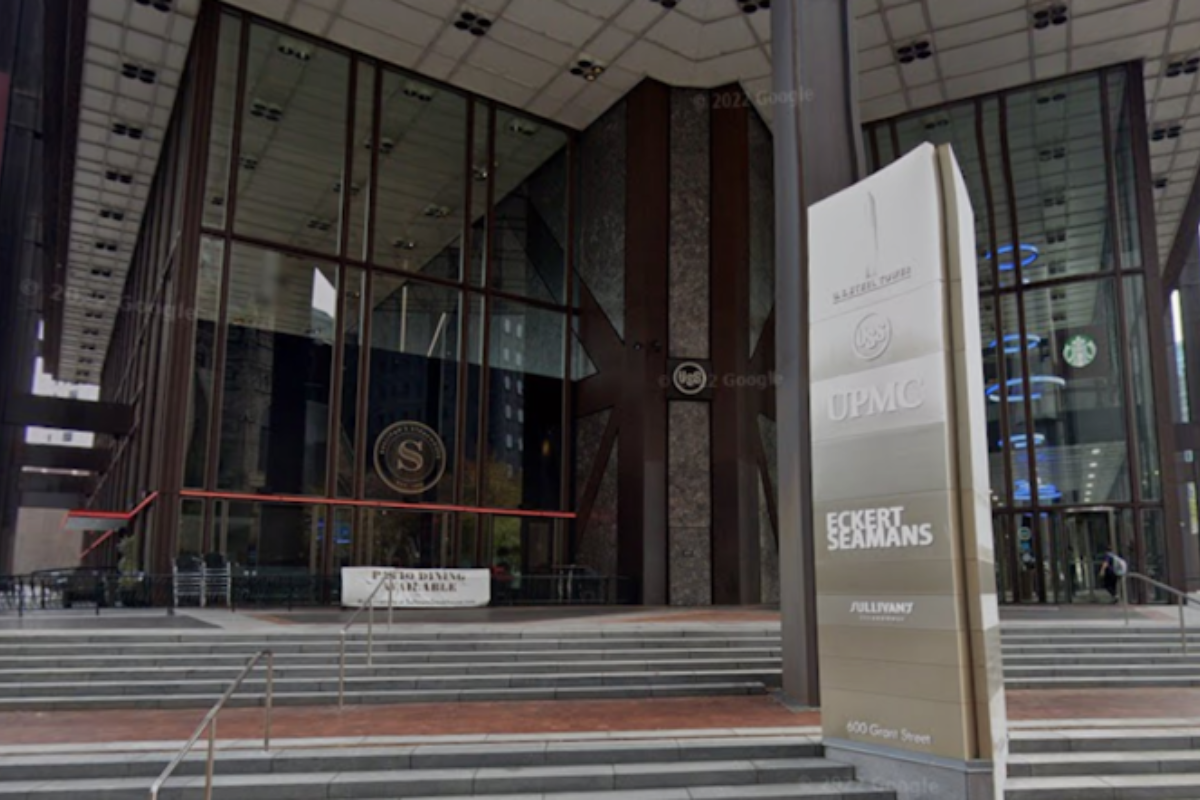
Dr. Hemal Gada filed a federal suit in U.S. District Court in Pittsburgh seeking reinstatement and monetary damages, alleging UPMC retaliated after he reported CEO Leslie C. Davis' 2024 paid board seat at Edwards Lifesciences (proxy shows ~ $85,000 cash and ~$260,000 in stock awards). The complaint details internal scrutiny of his LinkedIn, a late‑2024 social media probe, a two‑week suspension followed by termination, and alleged retaliation after an April 2025 HR complaint over racist texts; the case invokes Pennsylvania's Whistleblower Law and could prompt governance scrutiny but is unlikely to be market‑moving.
When governance or vendor‑relationship questions surface around large provider–vendor ecosystems, device makers typically see outsized short‑term volatility relative to fundamentals. Expect 5–12% intraday swings and 10–20% multi‑week moves in names that trade at premium multiples because investors re‑price governance risk faster than revenue contamination actually materializes.
The economically meaningful second‑order channel is procurement friction: hospital capital committees and group purchasing organizations respond to perceived conflicts by slowing or re‑tendering preferred‑vendor arrangements, which compresses near‑term order visibility for high‑ASP devices. That impact shows up in backlog and distributor bookings within 3–12 months and can cause competitors to win share via faster contracting or temporary price concessions.
Regulatory and legal timelines work against short sellers: court processes, state inquiries, and administrative reviews run 12–36 months, creating a long tail of headline risk but limited immediate damage to a diversified device maker’s installed base and replacement market. The short‑term trade opportunity is therefore event and volatility driven; the structural downside is capped unless procurement freezes or formal sanctions change reimbursement or contracting practices materially over multiple quarters.
AI-powered research, real-time alerts, and portfolio analytics for institutional investors.
Overall Sentiment
mildly negative
Sentiment Score
-0.30
Ticker Sentiment
