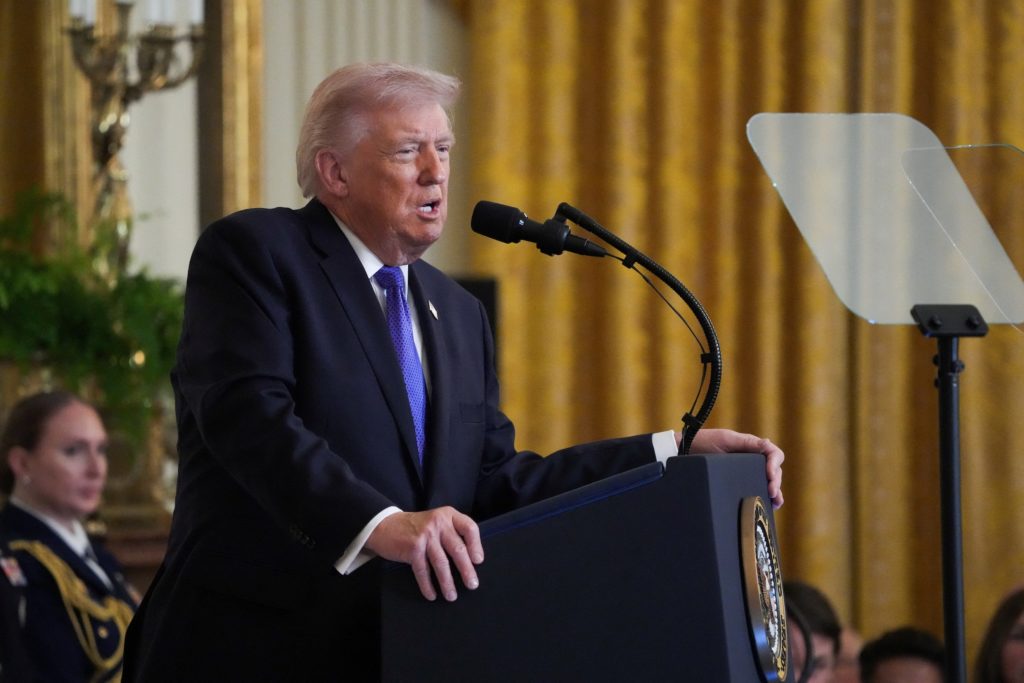
A U.S.-backed Israeli strike that killed Iran's supreme leader has intensified a leadership crisis in Tehran, with unconfirmed reports that Mojtaba Khamenei may have been chosen as successor — a development analysts say would consolidate hard-line IRGC-backed policies. The White House and Trump pushed messaging domestically to blunt MAGA criticism, stressing U.S. involvement in targeting intelligence and disputing claims that Israeli actions forced U.S. moves; the outcome raises near-term geopolitical uncertainty with potential implications for defense-sector exposure and risk-off moves in broader markets.
Market structure: Immediate winners are defense primes (LMT, RTX, GD) and security/cyber vendors as governments reallocate budgets; energy exporters and hard commodities (WTI, GLD) gain via risk premia. Losers include airlines (UAL, LUV), tourism/leisure, and EM sovereign credit where insurance and funding costs jump. Expect 5–15% relative revenue tailwind for large defense contractors over 12–24 months if procurement cycles accelerate; oil downside risk compresses if shipping/strait disruptions persist, pushing WTI +$5–$20 near-term.
Risk assessment: Tail risks include wider regional war or major oil-export disruption (WTI > $120, >$20bn shipping-insurance shock) and significant cyberattacks on western infrastructure; low-probability but market-moving. Immediate (days): VIX spikes, USD +1–2%, 10y Treasuries down 10–30bps; short-term (weeks–months): earnings revisions for sectors tied to travel and higher defense bookings; long-term (quarters–years): realignment of supply chains and persistent higher energy/geopolitical risk premia.
Trade implications: Favor short-term defensive rotation — establish 2–3% long allocations to LMT/RTX and 1–2% longs to GLD/GDX for 3–12 months; tactically hedge with VIX call exposure (1% notional) on 1–3 month expiries. Pair trades: long LMT vs short BA (1:1 notional) to capture defense vs commercial divergence. Reduce cyclicals/discretionary exposure by 5–10% and increase cash/liquidity to exploit volatility-driven entry points.
Contrarian angles: Consensus may overprice perpetual escalation; if Iran succession consolidates hard-liners quickly, proxy attacks may fall and risk premia compress within 3–6 months—EM equities (EEM) and airlines can rebound 15–30% from panic lows. Look for mean-reversion entry: add to beaten-down cyclicals when VIX drops below 18 and WTI < $70, or when 10y yield rebounds >25bps from trough.
AI-powered research, real-time alerts, and portfolio analytics for institutional investors.
Request TrialOverall Sentiment
strongly negative
Sentiment Score
-0.60
