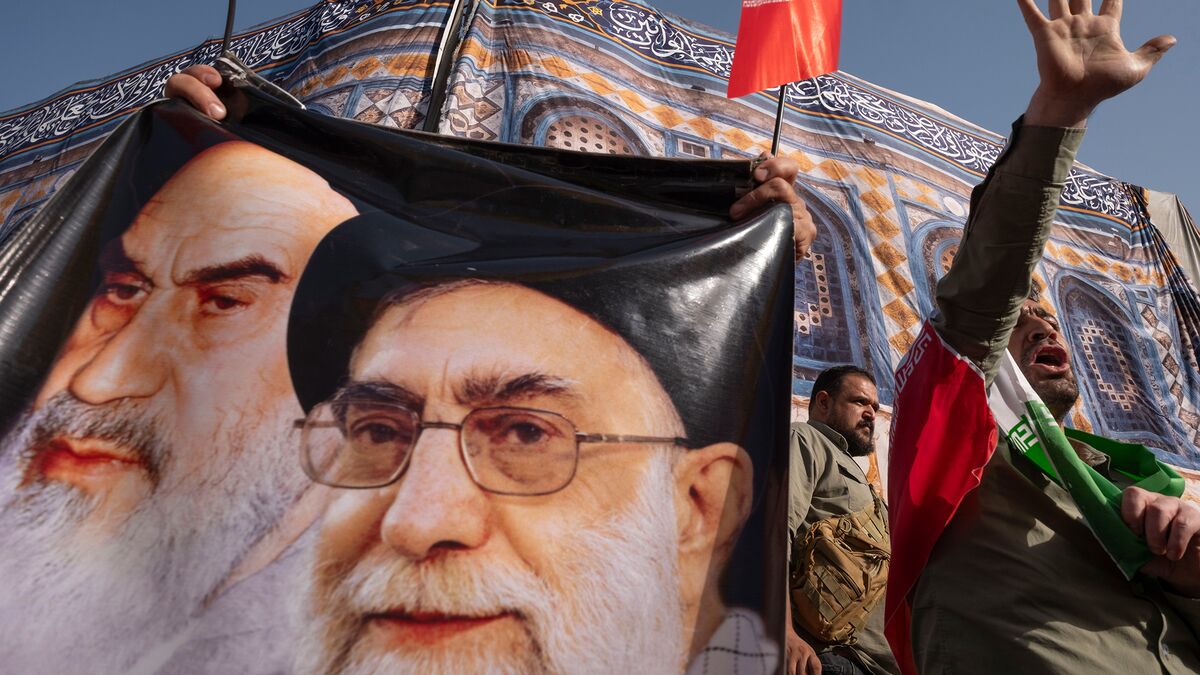
A recent US bombing raid on Iran's nuclear sites, despite claims of "total obliteration," has not fully destroyed the program, with highly enriched uranium unaccounted for. This action risks prompting Tehran to end international monitoring and pursue nuclear weapon development. Although its proxies are weakened and allies are sidelined, Iran's leadership, with Supreme Leader Khamenei still in control, retains the capacity to retaliate against the US, signaling ongoing significant geopolitical instability.
Recent US military action against Iran, despite being publicly framed as having “totally obliterated” its atomic program, has not achieved its full objective and has instead escalated geopolitical risk. The critical failure to account for Iran's highly enriched uranium, which has been out of sight of international authorities for over a week, signals a significant intelligence and operational gap. This development materially increases the probability that Tehran will cease cooperation with international monitors and accelerate its pursuit of a nuclear weapon as a deterrent. Although Iran's leadership and regional proxy network have been weakened and its key allies, Russia and China, remain uncommitted, the regime under Supreme Leader Ayatollah Ali Khamenei retains the capacity and strategic motivation to retaliate, creating a period of heightened uncertainty and potential for conflict that could impact global stability and markets.
AI-powered research, real-time alerts, and portfolio analytics for institutional investors.
Request DemoOverall Sentiment
strongly negative
Sentiment Score
-0.70
