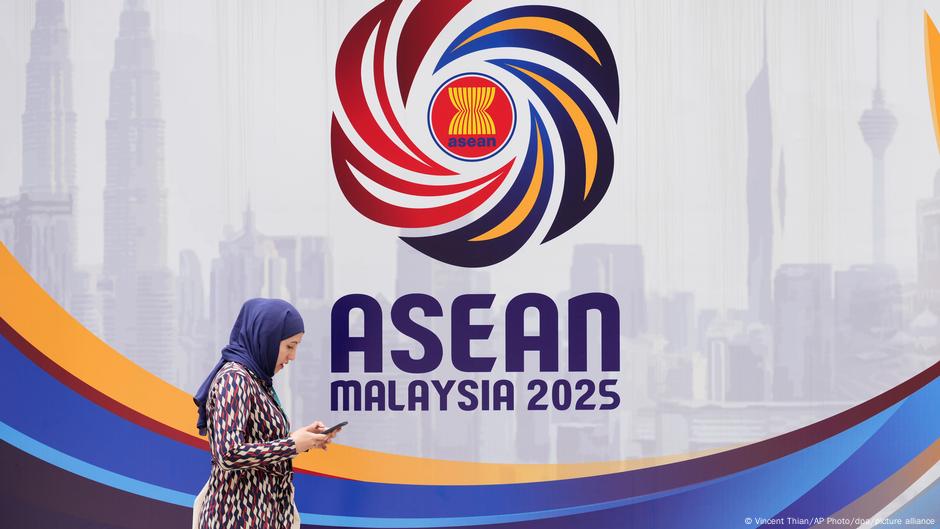
The ASEAN summit highlights the intensifying geopolitical rivalry between the US and China, which is pressuring Southeast Asian nations to choose sides across security, trade, and technology. While the US demonstrates influence, its perceived reliability is questioned due to tariff policies, contrasting with China's aggressive territorial expansion in the South China Sea. This dynamic leads some ASEAN members, like Myanmar and Cambodia, to align closely with China, while larger economies such as the Philippines and Indonesia attempt a delicate balancing act, maintaining economic ties with China while strengthening defense cooperation with the US, creating a complex and uncertain regional investment landscape.
The ASEAN summit underscores the intensifying geopolitical rivalry between the US and China, compelling Southeast Asian nations to navigate a complex "zero-sum game" across security, trade, and technology. This dynamic creates significant regional instability, reflected in a moderately negative sentiment and uncertain tone surrounding the market outlook. The US, despite demonstrating influence in regional peace deals, faces questions regarding its reliability due to tariff policies and perceived territorial overreach, as highlighted by The Diplomat.
Conversely, China's aggressive actions in the South China Sea, including extensive territorial claims and artificial island construction, exacerbate regional tensions and challenge international law. This contrast in superpower approaches significantly shapes ASEAN states' strategic considerations and investment landscapes.
ASEAN members are responding with divergent strategies; economically weaker nations like Myanmar, Cambodia, and Laos are closely aligning with China economically and in defense. Larger economies such as the Philippines and Indonesia, however, are pursuing a delicate balancing act, maintaining robust economic ties with China while strengthening defense cooperation with the US, exemplified by mutual defense treaties and Western-oriented weapons procurement.
AI-powered research, real-time alerts, and portfolio analytics for institutional investors.
Overall Sentiment
moderately negative
Sentiment Score
-0.50
Ticker Sentiment
