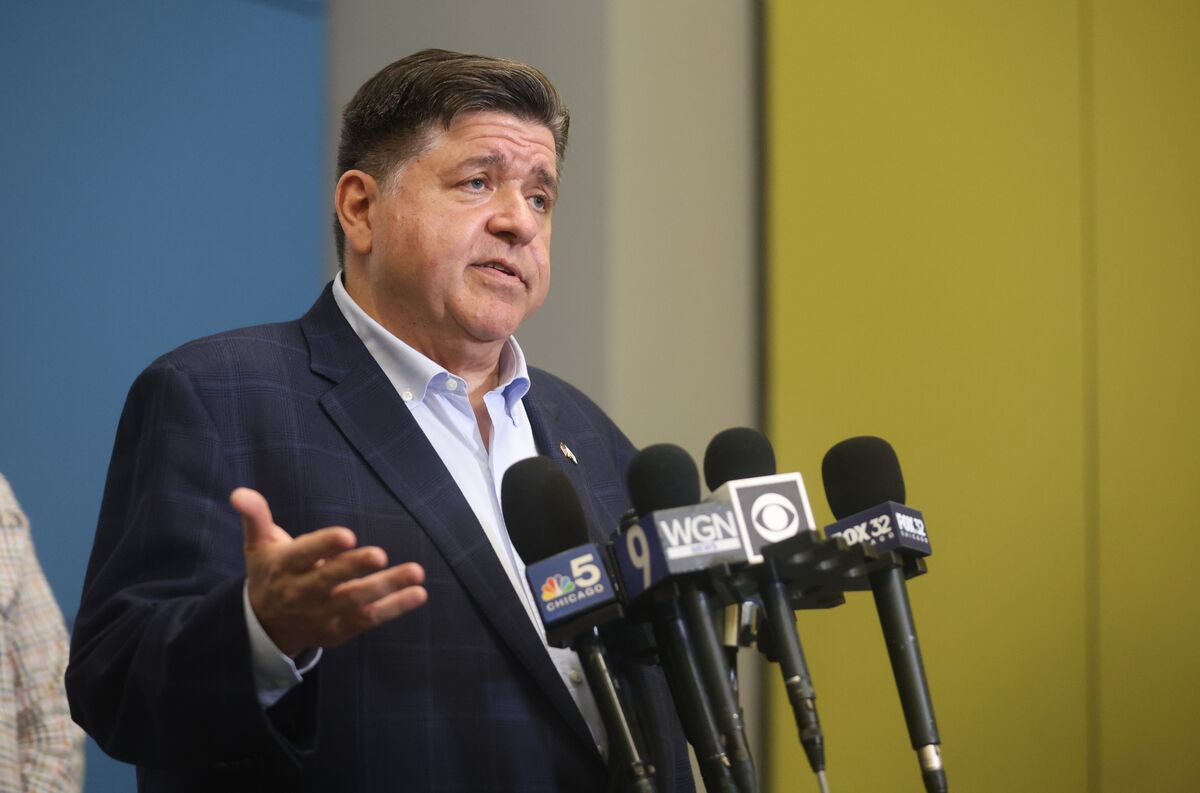
Illinois Governor JB Pritzker has publicly opposed Chicago Mayor Brandon Johnson's proposal to reintroduce a tax on large corporate payrolls, arguing that such a "head tax" would deter major employers and penalize job creation within the city. Pritzker's strong stance signals a significant policy conflict that could impact Chicago's business environment and its appeal to large corporations.
Illinois Governor JB Pritzker has publicly voiced strong opposition to Chicago Mayor Brandon Johnson's proposal to reintroduce a "head tax" on large corporate payrolls. Speaking at the Economic Club of Chicago, Pritzker explicitly stated he is "four-square opposed" to the levy, creating a significant policy conflict between state and city leadership.
The Governor argues that such a tax would actively "repel major employers" and "penalize the very thing that we want, which is we want more employment." This stance underscores concerns that the proposed fiscal policy could deter job creation and lead to corporate flight from Chicago.
The market sentiment surrounding this development is strongly negative and pessimistic, with a market impact score of 0.6, indicating significant concern among investors. This suggests that the potential reintroduction of a payroll tax, coupled with political disagreement, is viewed as a material risk to Chicago's business environment and economic competitiveness. The policy debate highlights increased regulatory uncertainty for businesses operating within the city.
AI-powered research, real-time alerts, and portfolio analytics for institutional investors.
Request DemoOverall Sentiment
strongly negative
Sentiment Score
-0.65
