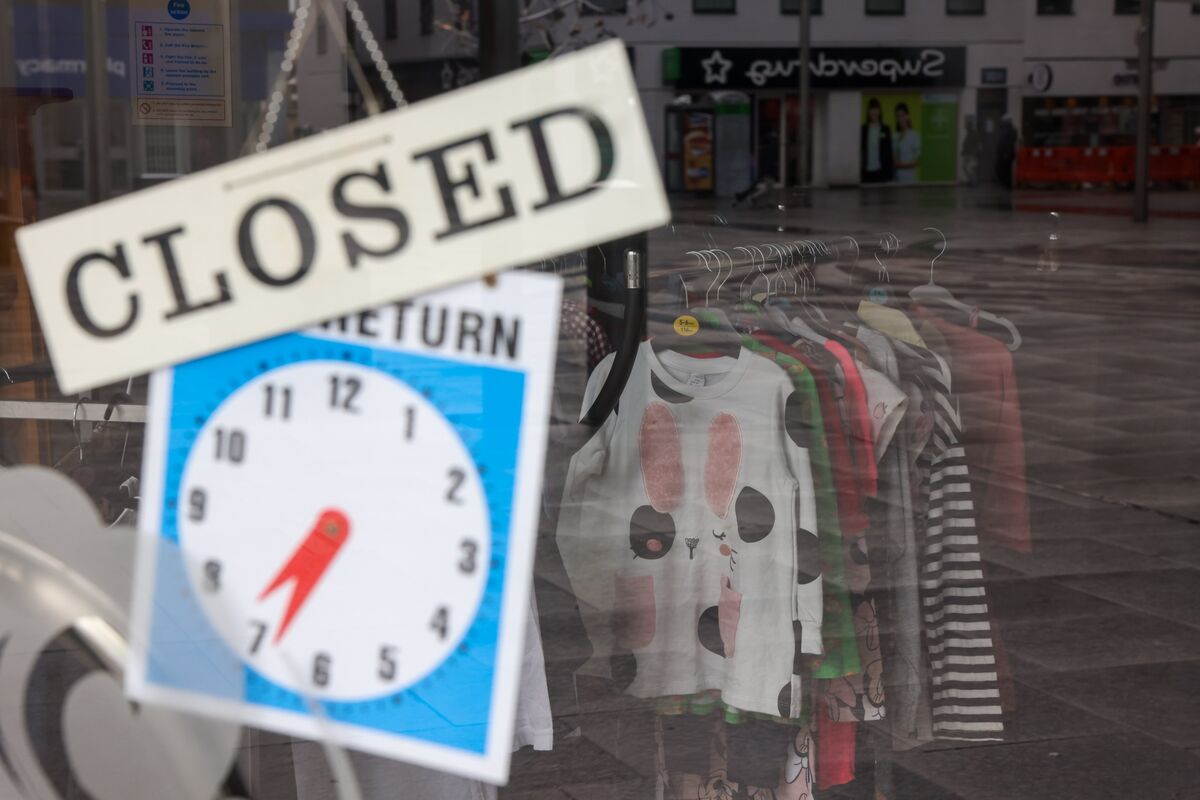
Company insolvencies in England and Wales surged to an 11-month high of 2,238 in May, a 15% increase year-over-year, according to the Insolvency Service; this spike is attributed to the Labour government's tax increases and a general economic slowdown, signaling potential financial distress among UK businesses.
Corporate insolvencies in England and Wales escalated to an 11-month peak of 2,238 in May, marking a significant 15% year-over-year increase, as reported by the Insolvency Service. This sharp rise is attributed to the dual pressures of recent tax hikes implemented by the Labour government and a pervasive slowdown across the broader UK economy. The data, carrying a strongly negative sentiment (-0.75) and a pessimistic tone, points towards heightened financial distress among UK businesses, potentially impacting credit markets and the outlook for corporate profitability in sectors sensitive to domestic economic conditions.
AI-powered research, real-time alerts, and portfolio analytics for institutional investors.
Request DemoOverall Sentiment
strongly negative
Sentiment Score
-0.75
