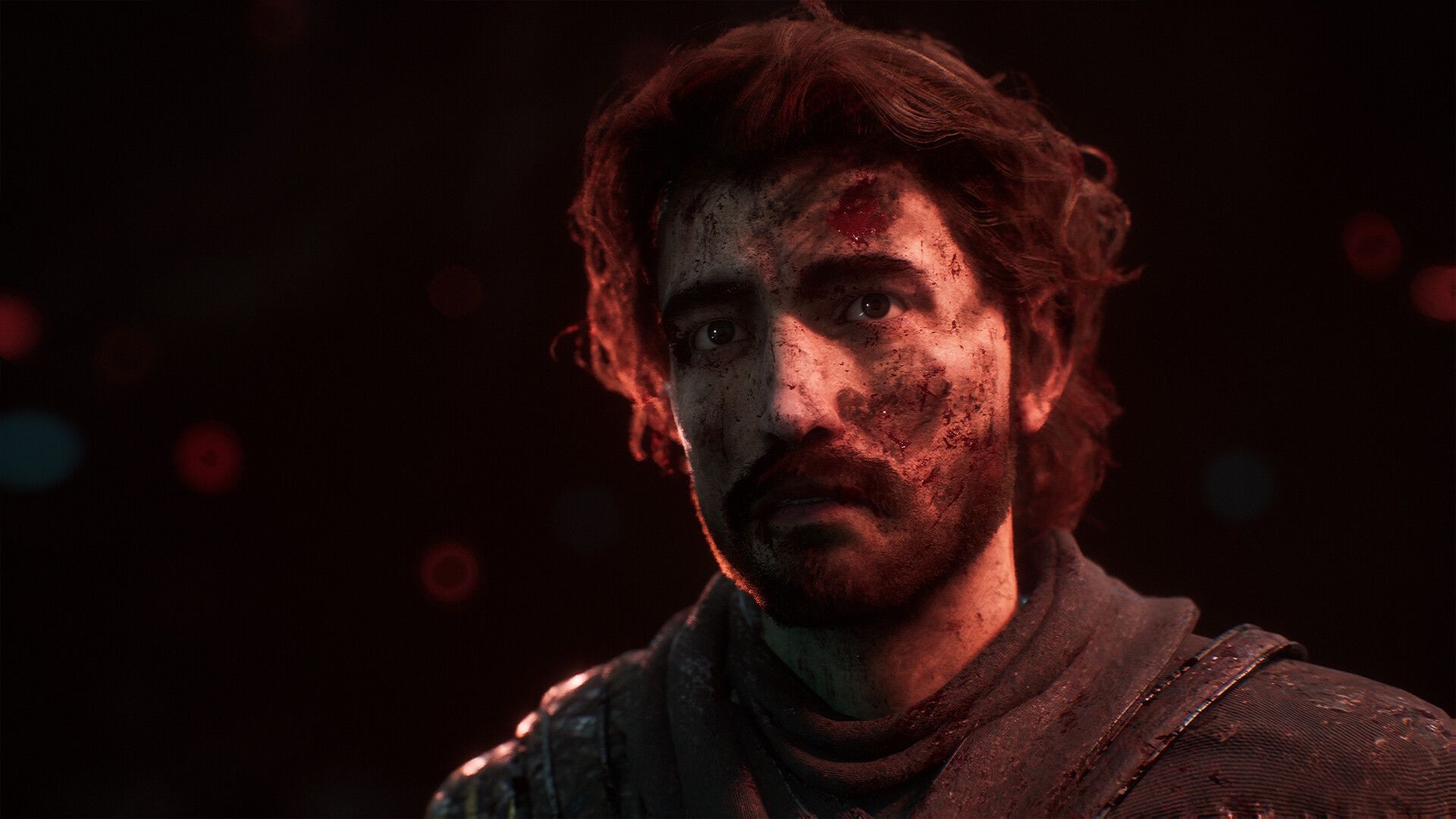
Sandfall Interactive, creator of Clair Obscur: Expedition 33, is declining to scale up despite recent industry recognition (Golden Joystick and Game Awards 2025), with director Guillaume Broche saying the studio prefers creative work over expanding management. The firm’s deliberate choice to remain small and focused signals limited near-term capital expenditure or organizational expansion, reducing market-moving implications while suggesting continued emphasis on high-quality, boutique releases rather than rapid growth.
Market structure: Sandfall’s public decision to remain small reinforces a bifurcated games market — sustained wins from boutique studios boost digital distribution platforms (Steam-equivalents, Nintendo eShop) and indie-focused consolidators, while reducing the flow of mid-size studios into large-scale AAA pipelines. Expect modest reallocation of consumer spend into niche FRPGs over 6–12 months and a 5–15% uplift in discoverability-driven revenues for platforms that prominently feature award-winning indies.
Risk assessment: Tail risks include a sudden pivot to acquisition (founders sell), a hit-driven collapse in sentiment, or platform policy changes (store fee hikes or discoverability algorithm shifts) that can remove 30–50% of expected long-tail revenues. Immediate impact is minimal (days); watch for sentiment and install base signals over 4–12 weeks; structural valuation shifts for consolidators and platform owners play out over 6–18 months.
Trade implications: Tactical opportunities favor public exposure to platform owners and indie-aggregators rather than AAA-focused publishers. Option volatility should be modest but spikes around awards/releases; use calibrated spreads to cap downside. Rebalance toward Interactive Entertainment platforms over the next 30–90 days and reassess after Q3 release calendars and holiday sales figures.
Contrarian angles: The market may underappreciate that many elite indies preferring small teams reduces M&A deal flow, which could hurt acquirers’ rerating expectations. Historical indie booms (circa 2012–16) show divergence: winners reaped outsized returns while acquirers often overpaid; a repeat would favor buy-and-hold in platform owners rather than event-driven M&A longs.
AI-powered research, real-time alerts, and portfolio analytics for institutional investors.
Request DemoOverall Sentiment
mildly positive
Sentiment Score
0.25
