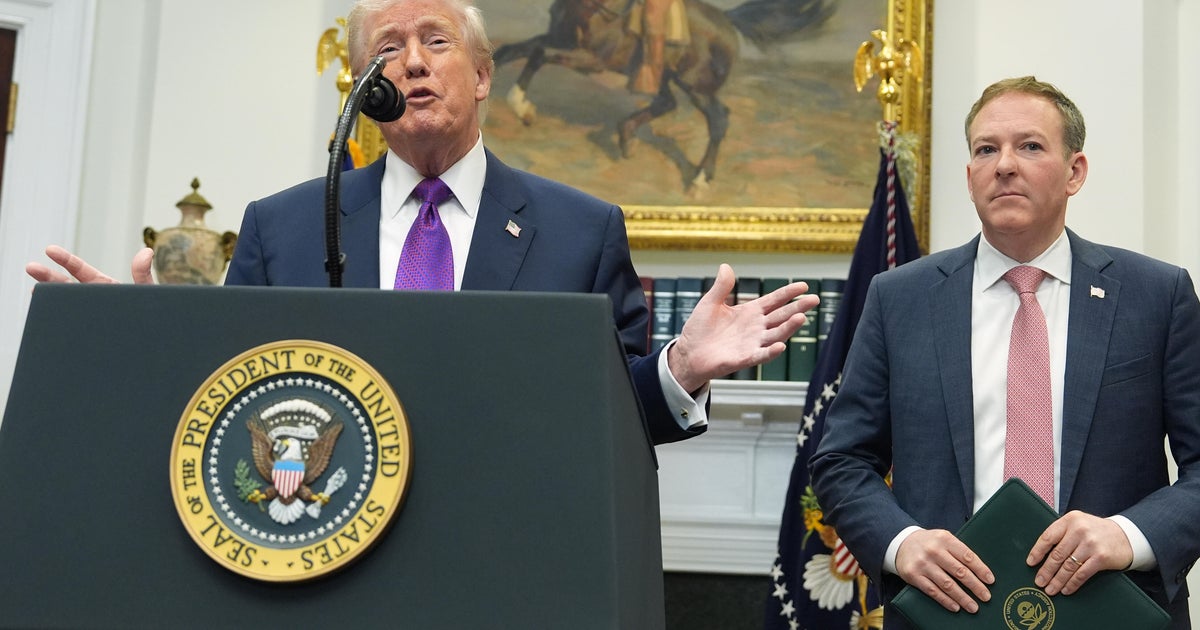
Seventeen health and environmental organizations—including the American Public Health Association, American Lung Association and Environmental Defense Fund—filed a petition Wednesday in the D.C. Circuit naming the EPA and Administrator Lee Zeldin, challenging the Trump administration’s repeal of the 2009 'endangerment finding' and related rollback of tailpipe and power‑plant greenhouse gas regulations. Plaintiffs say the move unlawfully abandons statutory protections under the Clean Air Act and risks public health, while the administration argues deregulation will boost the economy; the dispute introduces legal and regulatory uncertainty with potential sectoral implications for autos, fossil‑fuel power, and energy pricing.
Market structure: Immediate beneficiaries are integrated oil & gas and refiners (XOM, CVX, COP, VLO) from lower compliance and potential higher fossil-fuel demand; oilfield services (HAL) gain if capex shifts to drilling. Losers are pure-play EV makers and US-focused renewable developers (RIVN, NIO, ENPH, SPWR) facing slower policy-driven adoption. Expect a 3–12 month window where incumbents can recapture pricing power—model a 5–12% EBITDA tailwind for integrated majors vs. baseline if gasoline demand rises 1–2% and WTI moves up $3–8/bbl.
Risk assessment: Tail risk: courts or state AG actions could reinstate the endangerment finding (30–50% probability in 6–18 months) triggering 20–35% drawdowns in energy names; conversely, a legal win for the administration could tighten spreads and lift HY energy credit by 50–150bps. Immediate (0–30d) volatility will be headline-driven; short-term (3–6m) is execution of capex and legal filings; long-term (1–3y) remains dominated by global decarbonization economics. Hidden dependencies include state-level regulation, insurance/liability exposure for fossil assets, and capital reallocation from green projects reducing US renewable additions by a measurable single-digit percentage vs. base case.
Trade implications: Tactical: establish modest overweight to XOM/CVX (2–3% portfolio each) via 3–6m call spreads to capture policy tailwinds and buy HAL outright for cyclical upside. Relative trade: long XOM, short a US-centric pure EV OEM (RIVN) sized 1–2% pair to express ICE vs EV divergence. Options: buy 3–6m call spreads on XOM/CVX and purchase 3–9m straddles on renewable leaders (ENPH) to hedge a court reversal event. Rotate 2–4% from clean-energy ETFs into Energy/Refiners over next 2–6 weeks, trim on oil >$90/bbl or major court ruling.
Contrarian angles: Consensus understates legal and state-level pushback—if courts reverse (30–50% odds), renewable/EV equities could rally 25–50% within 6–12 months, so maintain hedges (put protection or short-dated puts on energy longs). The short-term energy pop may be overdone; use dips in high-quality renewables (15–30% pullbacks) as selective buying opportunities given long-term levelized-cost advantages. Historical precedent (early-2000s regulatory whipsaw) shows temporary policy changes often reverse; plan for regime risk and asymmetric hedges.
AI-powered research, real-time alerts, and portfolio analytics for institutional investors.
Request DemoOverall Sentiment
moderately negative
Sentiment Score
-0.45
