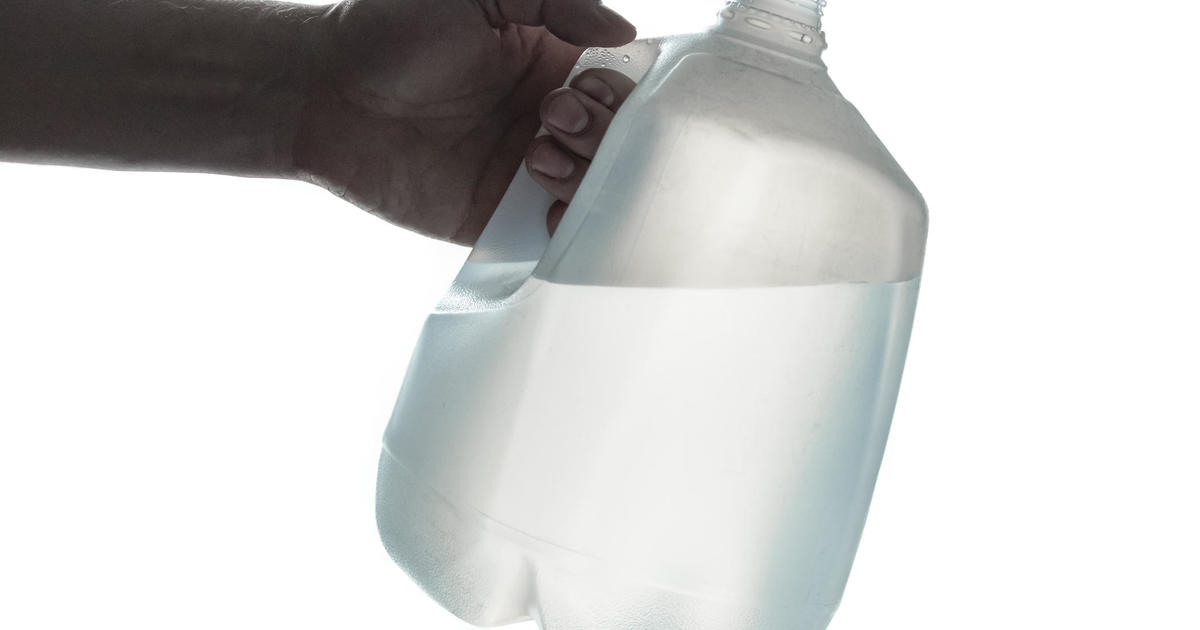
Meijer voluntarily recalled more than 38,000 gallons of 'Meijer Steam Distilled Water' (128 fl oz / 1 gal, UPC 041250841197, PID 472859, MIC 477910, sell-by Oct. 4, 2026) after the FDA reported a 'floating black foreign substance' in the product; the FDA has not identified the contaminant. The recall covers distribution in Illinois, Indiana, Kentucky, Ohio, Michigan and Wisconsin and was initiated by Meijer Distribution, Inc. While the action raises reputational and localized inventory concerns for Meijer and could depress sales of the SKU regionally, its voluntary nature and limited geographic scope suggest minimal broader regulatory escalation or material market impact in the near term.
Market structure: This recall (38,000 gallons) is functionally immaterial to US bottled-water supply (<0.001% of annual US volume) but matters for retail channel dynamics. Short-term winners are branded water owners (PEP, KO) and bottled-water suppliers that can fill shelf gaps; losers are Meijer’s private-label trust and the regional grocers that rely on similar co-packers, with potential 1–3% category share shifts in affected Midwest stores over 2–6 weeks.
Risk assessment: Tail risk is a contamination finding that causes illness, triggering larger recalls, class actions and state AG probes—this would meaningfully hit private-label grocers and co-packers over quarters. Immediate risks (days) are reputation and local out-of-stocks; medium-term (weeks–months) risks include increased QC costs and potential margin compression of 25–100 basis points for private-label lines; monitor FDA lab results within 7–30 days as the key catalyst.
Trade implications: Tactical plays favor short-dated exposure to branded beverage longs and defensive hedges on regional grocers. Consider small, defined-risk option structures (30–60 day call spreads on PEP/KO) to capture transient branded lift and buy short-duration puts on KR to protect against reputational spillover; avoid large structural shifts—this is a tactical, not secular, event.
Contrarian angles: The market may overreact; historical parallels (localized food recalls) show 4–8 week mean reversion in retail volumes once contaminant is identified/benign. Secondary effect: increased third-party testing could raise COGS for private labels and sustain a 50–150bp margin headwind for 1–2 quarters, creating a short window to trade private-label-heavy names before normalization.
AI-powered research, real-time alerts, and portfolio analytics for institutional investors.
Request DemoOverall Sentiment
mildly negative
Sentiment Score
-0.25
